CHATHAM, Mich. (WZMQ) – This year, beef prices have reached record heights, stemming from a historically low cattle inventory in the western part of the country.
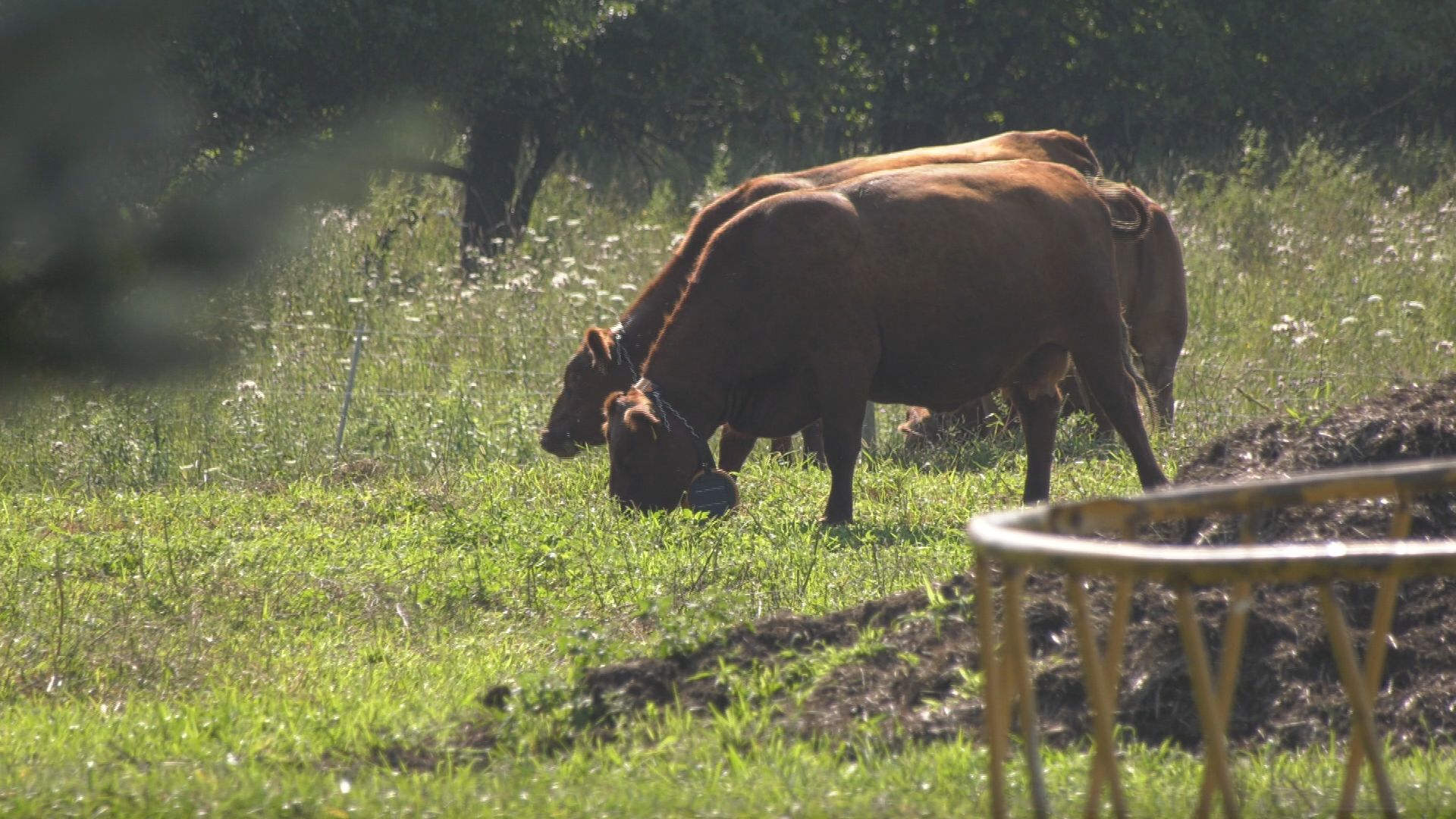
Ben and Denise Bartlett have operated Log Cabin Livestock in Chatham since 1977. With plenty of experience in the area, they’re no strangers to a fluctuating cattle population.
Over the past six years, a continued decrease in cattle or ‘heads’ across the country has brought on these increased beef prices. On average, these mass fluctuations span across a decade, as farms undergo the raising cycle for their animals.
“The cow numbers can’t change fast. In the cattle industry there’s about a 10 year cycle of the highs and lows of the herd… currently we’re at a low,” said Ben.
Log Cabin Livestock sells its cattle to separate processing companies to complete a farm-to-plate cycle. As farms work alongside this industry, upticks in recent labor costs have provided no leverage to shift these prices either.
“If you look at the price of beef, that’s the price of cattle plus all the processing charges,” Ben explained. “A lot of that is labor and fuel. Well, fuel isn’t going down and a lot of our labor in processing facilities have been immigrants… and with less immigrants we’re having to pay more, so I don’t see anything bringing down the price of beef from a processing standpoint.”
Over time, costs are expected to fall, but this will ultimately come down to herd growth, and heavily relying on veteraned farms.
“It works for people that have been in business or that have a fair amount of land right now,” said Ben. “I think we’re looking at stability with cattle prices, then gradually coming down in the next three to five years.”
Aside from raising cattle and ewes, Log Cabin Livestock’s main priority is its sustainable forage and soil health. LCL is currently undergoing a 5-year Metrics, Management, and Monitoring project, which you can find out more about here.