LANSING, Mich. (WZMQ) – Michigan lawmakers want to make it easier for people to speak up about problems in the state’s prisons. Two new bills would expand who’s allowed to file a complaint with a state office that watches over conditions in Michigan prisons.
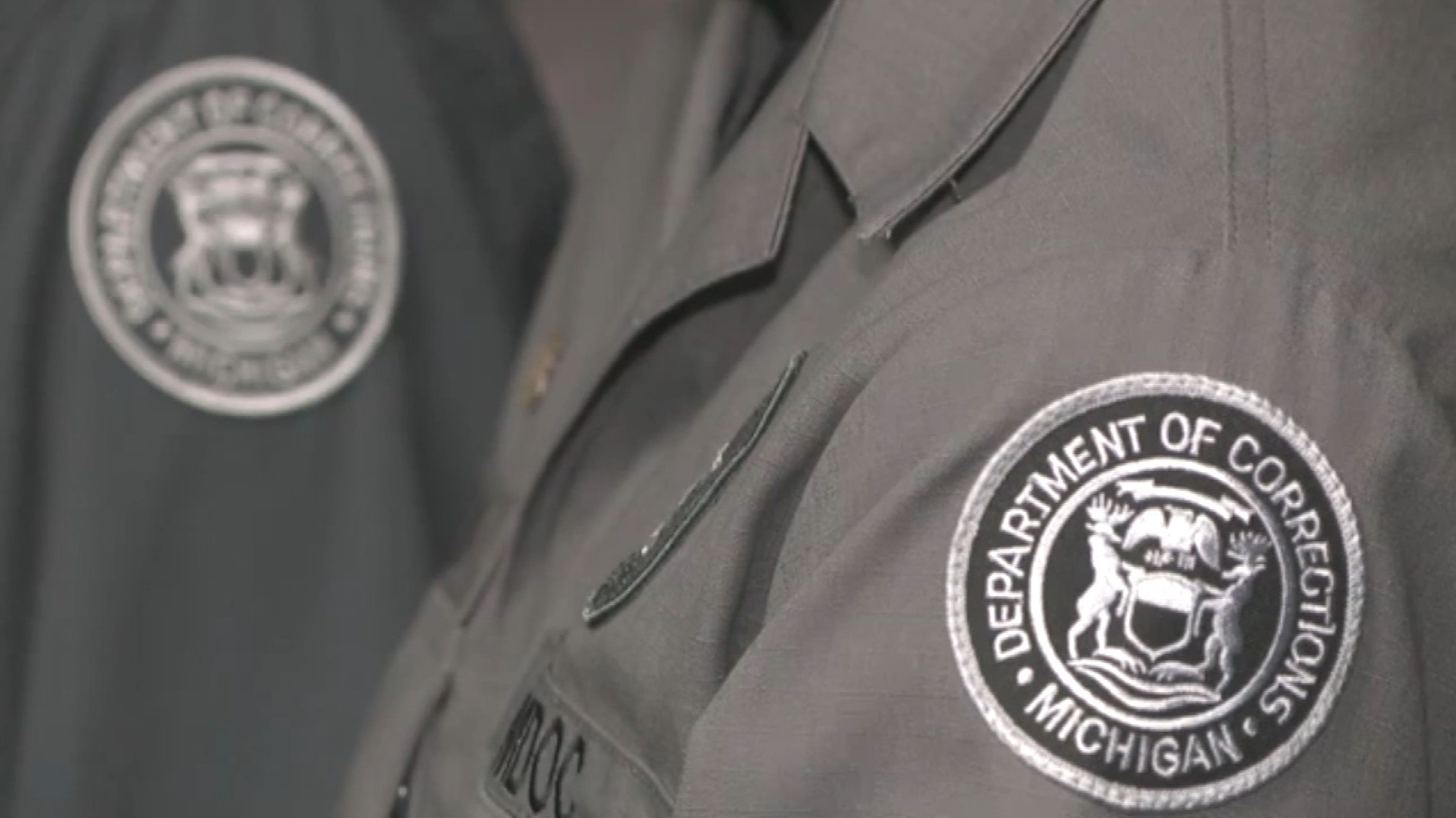
That office, called the Legislative Corrections Ombudsman, was created in the 1970s. Its job is to look into complaints about anything happening in Michigan prisons that might be illegal, against policy, or unsafe.
House Bill 5920, sponsored by Rep. Jennifer Wortz, R-Quincy, and House Bill 5921, sponsored by Rep. Karl Bohnak, R-Deerton, would add a long list of changes to how that office works. Bohnak said the changes come after years of talking with the union that represents Michigan’s corrections officers.
“I think what we’re looking at is just to help make our prisons in Michigan safer places to work,” Bohnak said. “That means that we need the ability for everyone to be able to make complaints when something isn’t quite right and do it without fear of retaliation.”
Right now, only prisoners, parolees and lawmakers can file a complaint with the ombudsman’s office. The bills would let family members of officers, prisoners or parolees, current corrections employees, and outside groups that advocate for prisoners file complaints too.
Bohnak represents three prisons in his district, in Baraga, Marquette and Alger counties. He said he toured those facilities in December and heard directly from staff about pay and safety.
“One thing we have to do is to be able to retain corrections officers and also bring in new ones,” Bohnak said. “I think one of the things we have to do is raise pay across the board too.”
Some older officers have asked lawmakers to look at pension benefits, Bohnak said. He added that raising the state’s 401k match could be another option if pension changes aren’t possible.
The bills would also make the complaint process clearer. Within 120 business days after the bills take effect, the ombudsman’s office would have to create a standard complaint form, available online and in print at prison law libraries. The office would also have to tell people when their complaint has been received.
Several timelines that are currently vague would become firm deadlines. If the office criticizes a state department or another party in its findings, that party would have 30 business days to respond, with the chance to ask for a 14-day extension. The Department of Corrections would have to tell the office within 30 business days after it acts on a recommendation. And the office would have to tell the person who filed the complaint what happened within 45 business days.
The bills would also let the office bring in outside experts, like doctors or environmental specialists, to help with investigations. Those experts could bring testing equipment or cameras into a prison, though the Department of Corrections would get advance notice and could search the equipment.
The ombudsman’s yearly report to lawmakers would become public for the first time under the bills. It would have to include how many complaints were received, investigated, denied, resolved or left undecided, broken down by prison and by type of complaint, such as claims of discrimination or medical care problems. Monthly reports with much of that same information would also be posted online.
The bills would bar the Department of Corrections from punishing prisoner advocates, corrections employees or family members for filing a complaint or helping with an investigation, protections that already exist for prisoners.
According to a state analysis of the bills, the ombudsman’s office received close to 2,000 complaints a year on average over the last three years, rising from 1,595 in 2023 to 2,798 in 2025. The analysis estimates the office may need up to two new staff members if the bills pass, at a cost of roughly $100,000 to $200,000 a year.
Several advocacy groups testified in support of the bills at an August 25 hearing, along with the ombudsman’s office itself. A representative of the Department of Corrections did not take a position on the bills.