
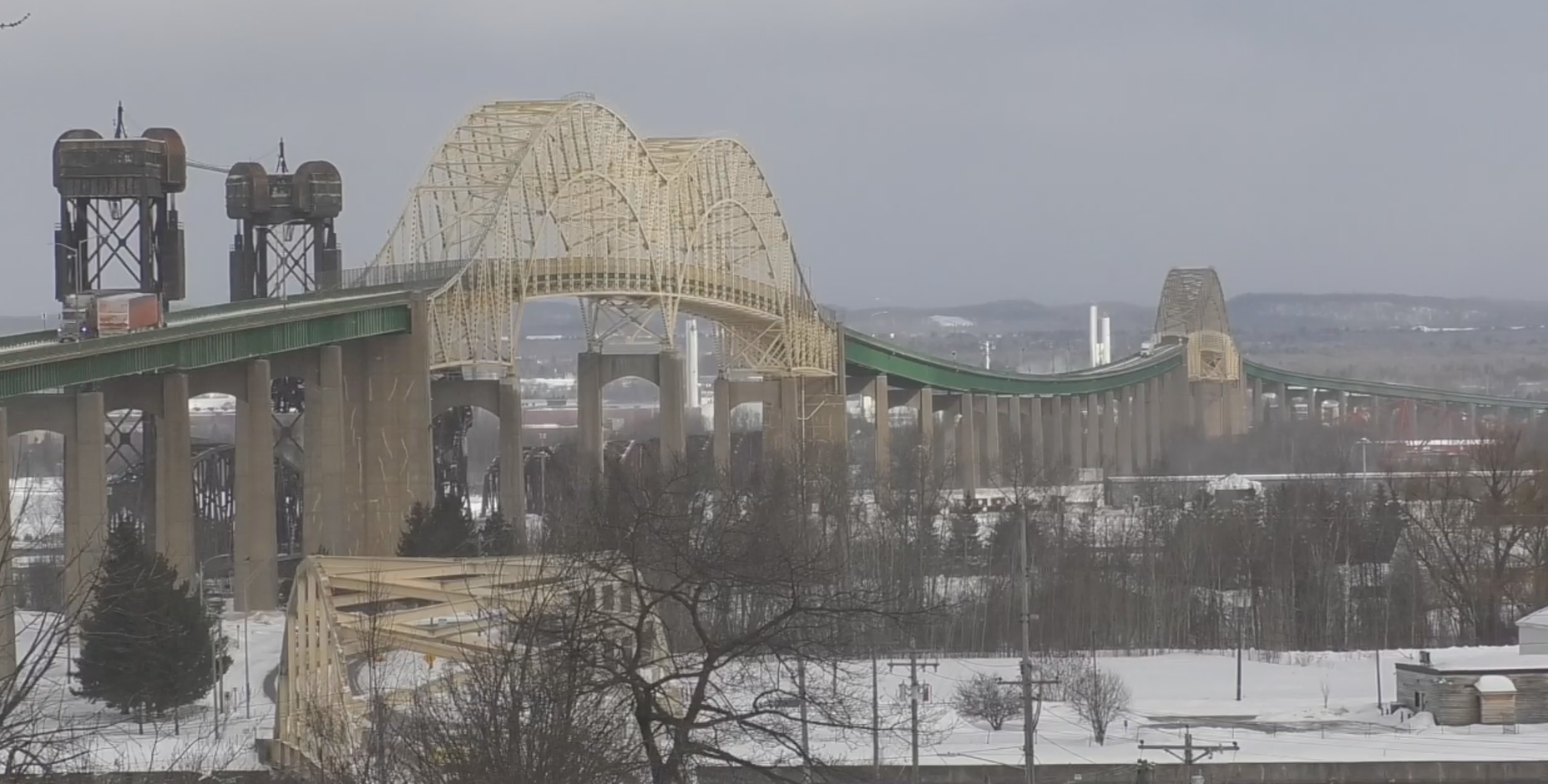
LANSING, Mich. (WZMQ) – Canada’s retaliatory tariffs on hundreds of American products took effect Sept. 8, the latest escalation in a trade relationship between the U.S. and Canada that’s grown increasingly tense.
The tariffs are Canada’s response to a new U.S. tariff on about $20 billion worth of Canadian goods, using an old trade law from the 1930s that gives the U.S. legal grounds to act.
Ashley Kalyn, an international trade consultant with Peacock Tariff Consulting, said the U.S. imposed that tariff after accusing Canada of discriminating against American goods, pointing to some U.S. alcohol brands that had been pulled from Canadian store shelves. Canada hit back with tariffs ranging from 15% to 50% on more than 700 American products, and it’s also blocking some U.S. goods from entering the country altogether, including certain dairy products, motorcycles and alcohol.
Kalyn said this fight is bigger than a similar standoff in 2018, which lasted 14 months and mostly hit steel, aluminum and goods from China.
“This round is a different kind,” Kalyn said. “Not only is it greater in terms of dollar value, but it’s greater in sectors as well.”
Michigan is especially exposed because of how closely its economy is tied to Canada’s. Kalyn said more than a third of all Michigan exports go north of the border, totaling more than $21 billion last year. She estimates roughly $1.5 billion of those exports are now at risk, largely goods like iron, steel and aluminum that feed the state’s manufacturing industry.
But Kalyn said that risk isn’t spread evenly across Michigan. Downstate, the economy runs on auto manufacturing, with parts often crossing the border multiple times during production, so more money is on the line there overall. The Upper Peninsula’s economy looks different, built more around mining, forestry and tourism.
“The Upper Peninsula is a much smaller, less diversified economy than downstate,” Kalyn said. “The Upper Peninsula is more exposed, but downstate has more total dollars at stake because of the auto industry.”
Kalyn said businesses will likely feel the squeeze before shoppers do. She expects higher costs to show up first in construction and housing, ahead of grocery stores and other retail shelves.
“Tariffs will likely hit production in Michigan quickly, particularly with the rising cost of building products,” Kalyn said. “Those costs usually show up in construction and housing before you see it at the grocery store or at the register.”
For businesses trying to weather the tariffs, Kalyn’s top piece of advice is simple: keep your paperwork in order. She said federal customs officials are cracking down harder than ever on mistakes and mismatched product codes.
“Compliance is the number one most important piece that I tell my clients,” Kalyn said, “because if you have inaccurate HS codes or if your shipment is affected by these tariffs and there’s something wrong with your paperwork, CBP is not slapping you on the wrist anymore. They’re coming down hard in fines and fees.”
The tariffs have also become a political flashpoint. Gov. Gretchen Whitmer, a Democrat, wrote an op-ed published in the Wall Street Journal this week arguing the tariffs are hurting Michigan families and businesses and calling for a renewed approach to trade policy with Canada.
Even if the two countries strike a new deal, Kalyn doesn’t expect things to fully calm down.
“It might not be this hostile,” Kalyn said, “but I think this volatility is the new normal, and we have to anticipate the trade relationship to be very unstable going forward.”