LANSING, Mich. (WZMQ) – As fair season continues across Michigan, an MSU Extension educator said barns remain one of the best places for people to connect with agriculture, as long as visitors keep a few habits in mind.
Katie Ockert, an extension educator with Michigan State University, said fairs give many people a rare chance to interact with animals they wouldn’t otherwise encounter.
“So many people are removed from agriculture today, and it is a great opportunity for people who don’t get exposed to animals every day to come and visit the animals, learn about where their food comes from,” Ockert said. “The number one consideration that people can make is just practicing good hygiene and being cognizant of what you touch and when you wash your hands and washing your hands often.”
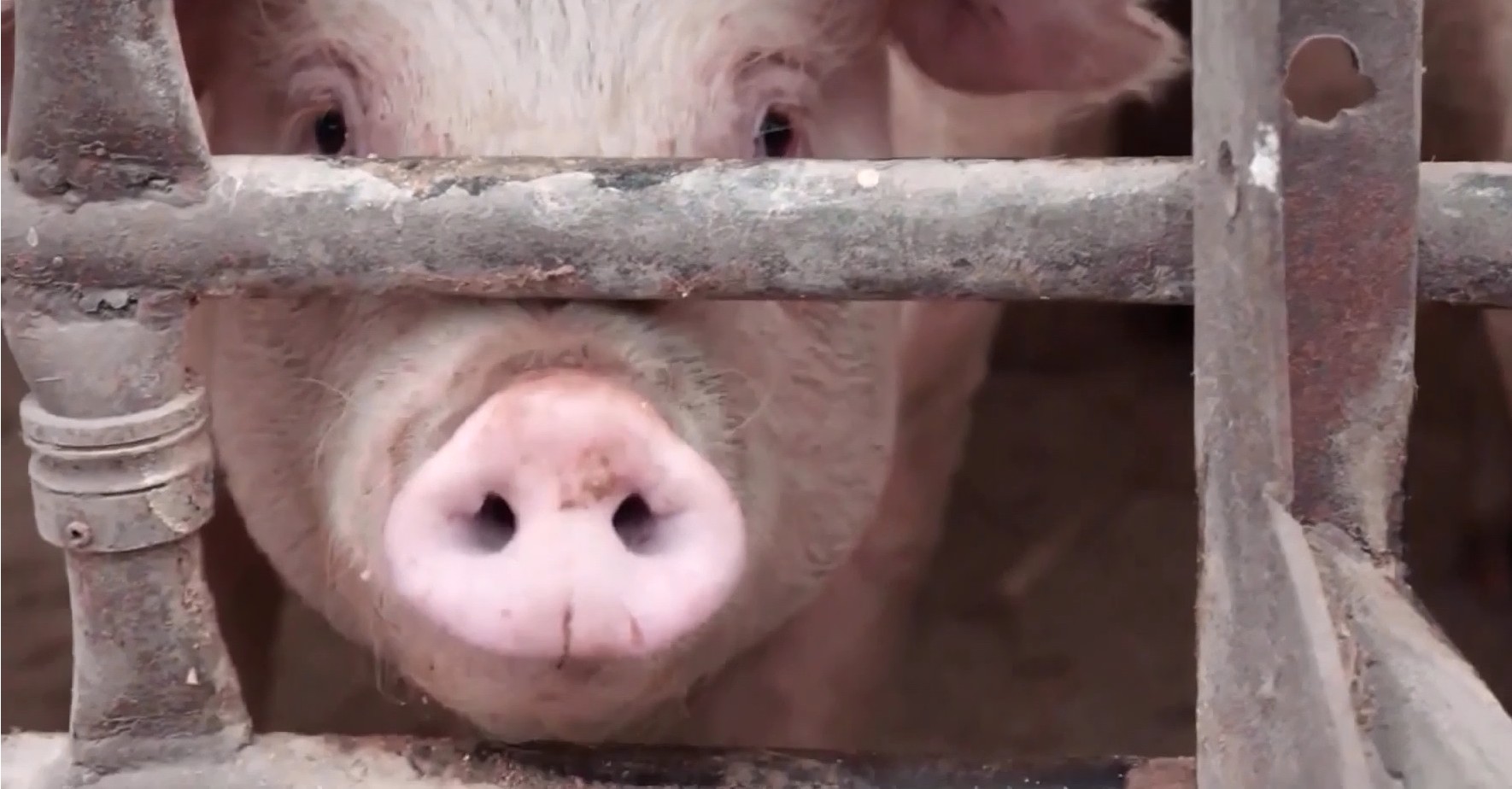
Swine influenza has drawn extra attention this year after Michigan saw a fair number of cases, resulting in one confirmed human case. Ockert said human transmission is generally really low between avian influenza and swine influenza, but it’s really important to, out of an abundance of caution, practice good hygiene techniques while you’re visiting animals at the fair.
She said the risk comes from the setting itself, not from the animals being unusually dangerous. Explaining why, she said bringing large numbers of animals and people together creates an opportunity for disease spread. That opportunity is really low, but it’s there.
Exhibitors also carry responsibility once they’re at the fair, Ockert said. If an animal seems off, she said it’s important that exhibitors talk to somebody in that fair structure so the animal can be checked before it potentially exposes others.
For anyone who develops symptoms after visiting a fair, Ockert said the response matters. She said anyone who has been to a fair and had contact with pigs and is experiencing flu-like symptoms should seek health care and tell their provider they visited pigs, since it can factor into diagnosis and treatment. State health officials say people at higher risk for flu complications include children younger than five, adults 65 and older, pregnant women, and people with long-term health conditions.
Despite those precautions, Ockert said fairs are still worth attending. She grew up showing livestock herself and said, “We don’t want there to be fear around going to the fair. We don’t want there to be fear around interacting with animals or exhibitors. We want people to be able to go and experience and learn.”