
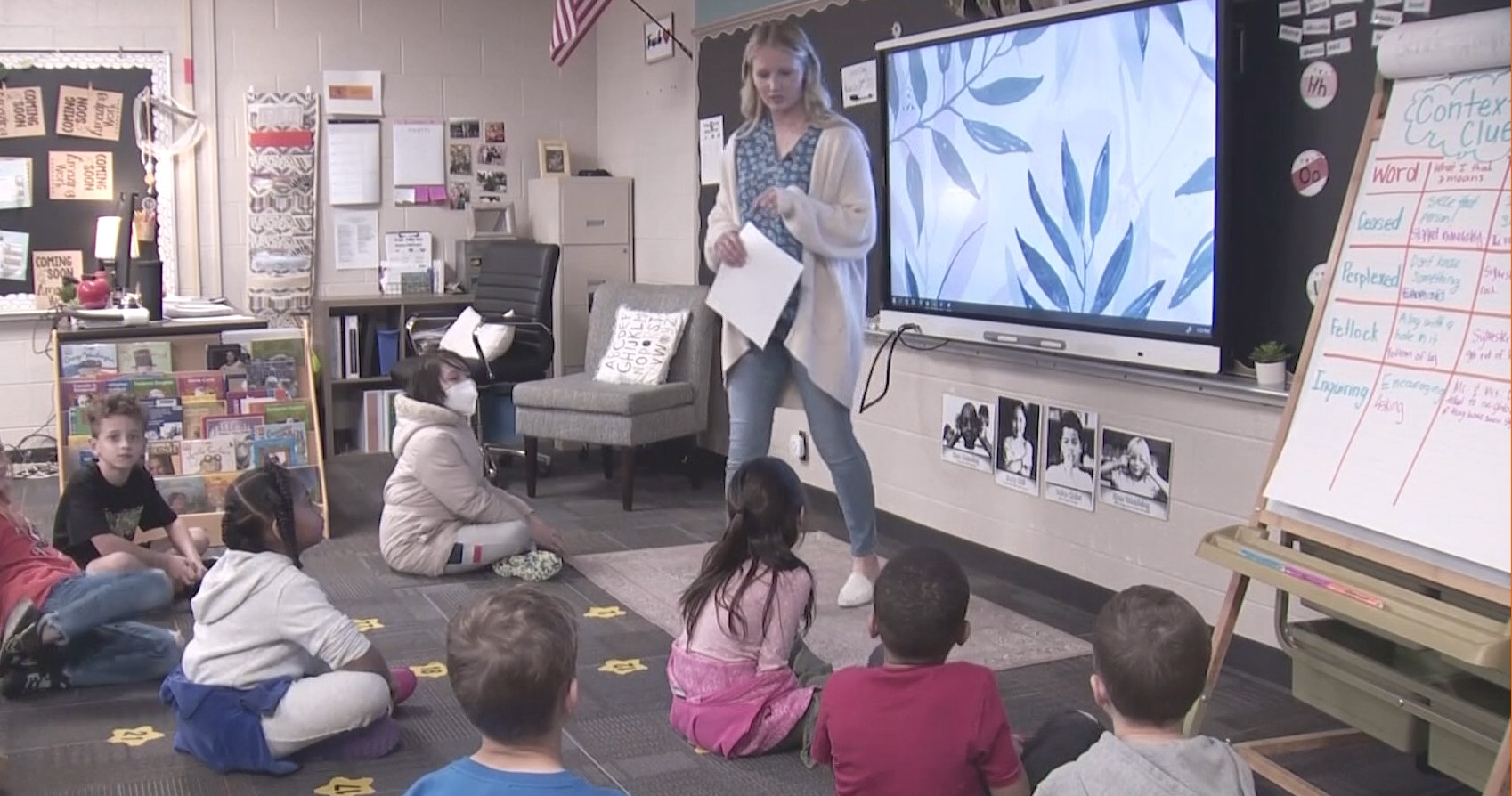
LANSING, Mich. (WZMQ) – A Republican-led effort to speed up Michigan’s new literacy requirements is heading to the Senate after passing votes in the House this week.
The changes would move up deadlines in the state’s 2024 science-of-reading laws, which was approved under Democrat leadership and gave schools several years to prepare for major changes in reading instruction.
The original plan gave teachers until the 2027-28 school year to otrain and prepare for the new standards. The plan from House republicans would move ask schools to implement science-of-reading-aligned instruction beginning in the 2026-27 school year, giving teachers just 3 months to finish preparations.
The bills accelerate teacher preparation requirements, while requiring districts to use reading curriculum from a state-approved list or ask for approval of locally developed materials.
Supporters argue Michigan’s reading performance leaves little room for delay.
Rep. Kathy Schmaltz (R-Jackson) said schools and teachers have had enough time to prepare.
“We’ve given them time to do this. There’s been enough time. We can’t put it up any longer. We need to make sure that it’s ready for the school year’s coming up, in the fall. It’s just been too long, and our kids aren’t getting any better every year. So we have to do something,” Schmaltz said.
Supporters of the package point to Michigan’s low reading proficiency rankings and argue phonics, letter sounds and other research-based methods need to return to classrooms as quickly as possible.
Opponents, however, say the accelerated timeline undermines commitments made when the original legislation passed.
Rep. Matt Koleszar (D-Plymouth) a former teacher who helped craft the 2024 literacy package, said districts specifically requested additional time to prepare.
“School districts asked us for a runway to fall 2027 so they could properly prepare and implement these programs. Unfortunately, what we saw passed in the house yesterday looked to accelerate that timeline to this coming fall,” Koleszar said.
Koleszar also disputed claims that teachers are pushing for faster implementation.
“Teachers have not been asking for an accelerated timeline. I talk to teachers all around the state, and I have never heard that,” he said.
The disagreement highlights a broader debate over how quickly schools can adapt to major policy changes.
Supporters argue urgency is necessary because students continue to struggle with reading proficiency, while critics contend districts have already begun planning around the timelines established in the 2024 law.
The bills now move to the Senate, where lawmakers will determine whether to keep the original implementation schedule or accelerate the reforms.