
LANSING, Mich. (WZMQ) – The Michigan Supreme Court heard arguments this week in a constitutional dispute that could redefine how unfinished legislation is handled when control of the Legislature changes hands.
The debate surrounds bills passed by both chambers at the end of the 2023-2024 legislative session that were never formally presented to Gov. Gretchen Whitmer for signature or veto before Republicans took control of the Michigan House in 2025.
After taking the majority, House Republicans declined to complete the final administrative step of sending the bills to the governor, arguing the responsibility belonged to the previous Democratic leadership.
The disagreement sparked a lawsuit filed by the Michigan Senate, which argues the House has a constitutional obligation to complete the legislative process regardless of which party is in power.
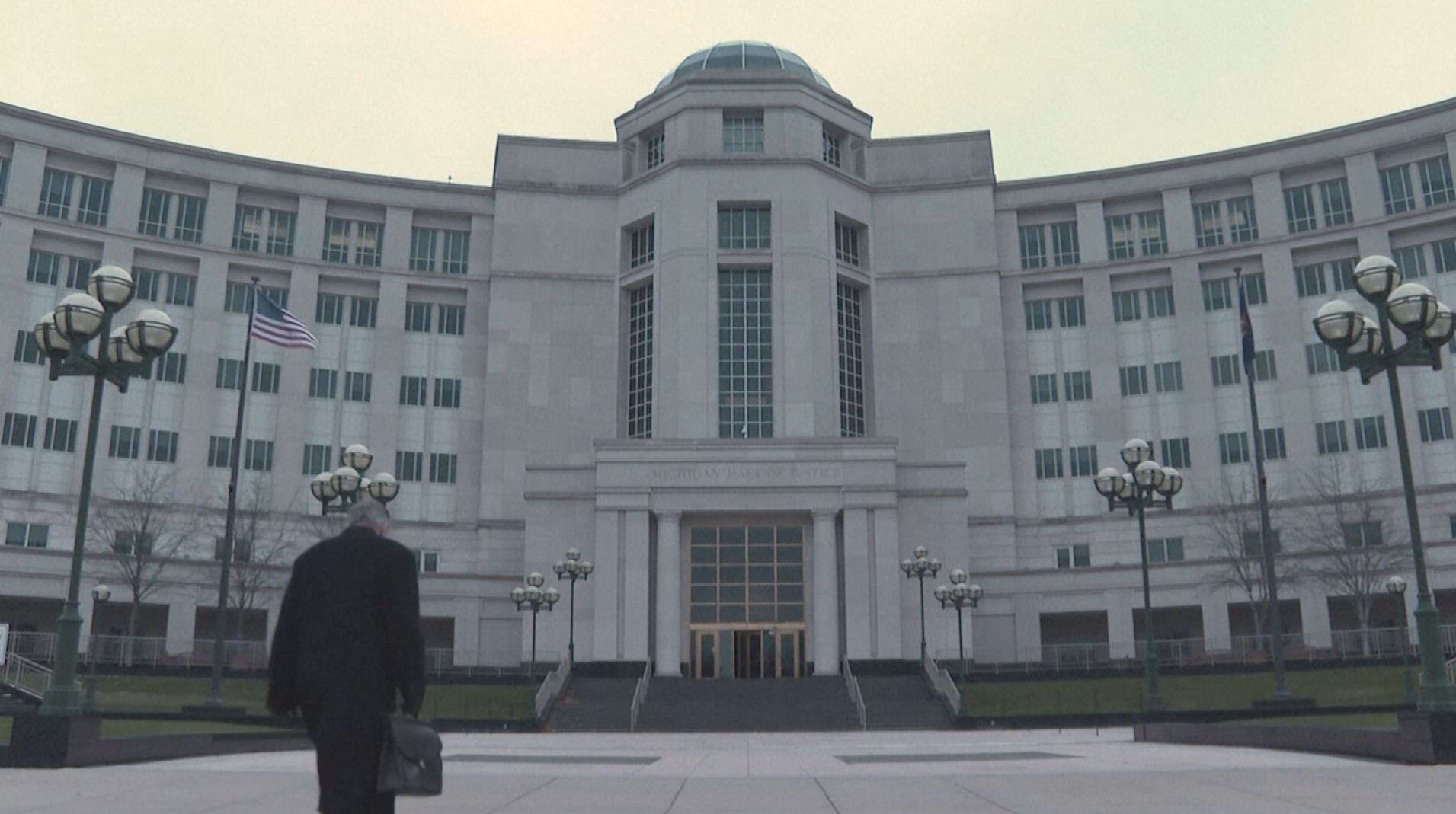
The dispute has now reached the Michigan Supreme Court, where justices heard oral arguments this week but have not yet issued a decision.
The Senate argues the final transmission of legislation is still part of the legislative process and must continue regardless of changes in leadership. House Republicans contend unfinished business expires at the end of a legislative term if previous leaders failed to complete it.
Michigan State University law professor Quinn Yeargain said the case is unusual because there is little legal precedent outlining what happens when legislative business remains unfinished during a transfer of power.
“There’s not decisions from most Supreme Courts on this question,” Yeargain said. “It comes up only very rarely, really, in kind of weird situations like this.”
A ruling in favor of the Senate could establish that future legislatures are required to complete administrative work left unfinished by prior leadership, including presenting bills to the governor after passage.
If the court sides with the House, unfinished legislation that is not formally transmitted before a leadership change could effectively die at the end of a session.
Yeargain said the decision will likely create a new legal framework for future disputes between legislative chambers and party leadership.
“Regardless of how they ultimately come down on this question, they are going to be making law,” he said.
During oral arguments, several justices focused on whether the court would need to issue a formal order with a deadline if it rules the House must send the bills to the governor.
“Even ruling that the House is obligated to do this doesn’t really do that much unless there’s an order to do it,” Yeargain said. “And if there’s no deadline, then we might have additional litigation over stuff like this in the future.”
The case first went before the Michigan Court of Claims, where a judge agreed the House was obligated to forward the bills but stopped short of ordering lawmakers to do so. The court determined there was no specific House official named in the lawsuit who could be compelled to act.
That led to appeals and one of the central legal questions now before the state’s highest court: whether a writ of mandamus, a court order requiring a government body or official to fulfill a legal duty, is necessary to force compliance.
The Michigan Court of Appeals later reversed part of the lower court’s ruling, finding there needed to be some remedy if the House was constitutionally obligated to act.
All that is left is a final decision from the Michigan Supreme Court which is expected by the end of the summer.