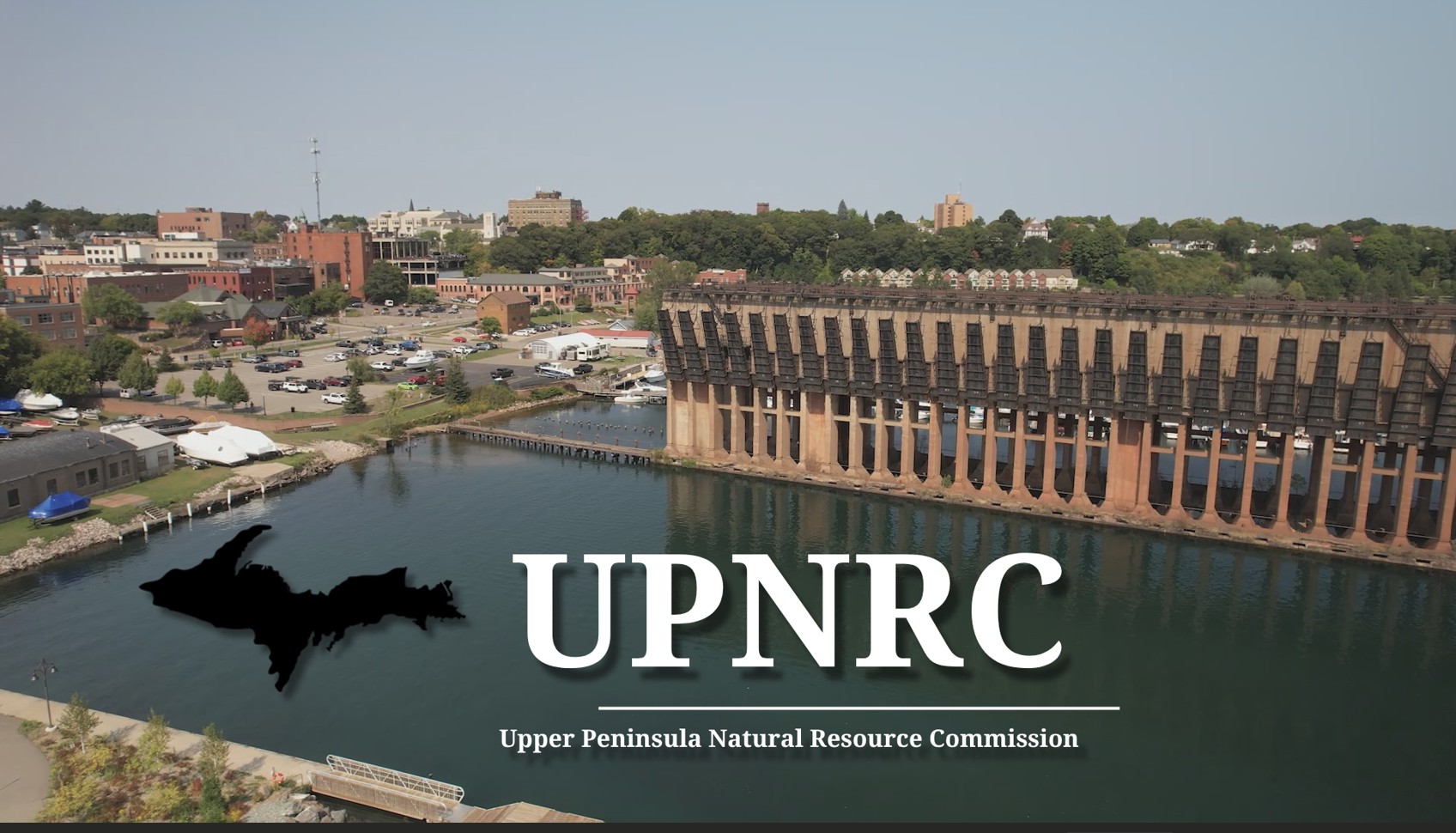
LANSING, Mich. (WZMQ) – Upper Peninsula lawmakers are continuing to push for a separate Natural Resources Commission as legislation creating the new body begins moving through the legislative process.
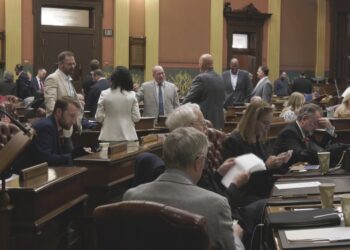
Representative Dave Prestin (R-Cedar River) joined several fellow Upper Peninsula lawmakers in committee this week to testify in support of the proposal, which supporters say would provide more region-specific oversight of hunting, fishing, and wildlife management.
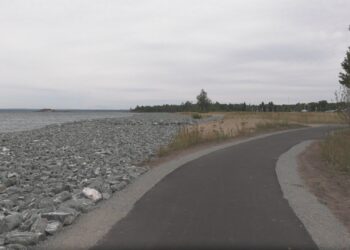
The legislation would establish a separate Upper Peninsula Natural Resources Commission with authority over issues involving Lake Superior and the St. Mary’s River. Lake Michigan and Lake Huron would remain under the jurisdiction of the existing state commission.
Prestin said the proposal reflects the significant differences between the Upper and Lower Peninsulas when it comes to wildlife populations, habitat and resource management.
“The U.P. is 30% of the land mass, and we only have three representatives, maximum, on the NRC,” Prestin said. “If the U.P. is going to thrive in game and fish management, the U.P. needs to be able to chart its own path.”
During committee testimony, lawmakers were asked whether separate commissions could create confusion for hunters and anglers if regulations differ between regions.
Prestin argued that sportsmen and sportswomen already navigate a variety of location-specific regulations across Michigan.
“Bodies of water that you can fish have slot limits and size limits; it’s different all over the state. Sportsmen and sportswomen who are partaking in hunting and fishing already have a huge manual and website to navigate to know what’s allowed and where it’s allowed.” Prestin said. “We’re already there as far as the confusion aspect of it. I think it’ll make things better for the sportsmen and women because they’ll be looking at a U.P.-specific framework versus a lower peninsula base framework.”
Supporters contend that issues such as predator management, snowfall patterns and declining deer populations affect the Upper Peninsula differently than other parts of the state and require a more tailored approach.
Prestin also argued that greater regional representation would improve decision-making and ensure local expertise plays a larger role in managing natural resources.
“You cannot do this with a one-size-fits-all approach,” he said. “There’s a precedent for this. If you go to Alaska, Alaska has regional-specific guides for each province of Alaska, and they’re very stark. In some areas, you can fish a certain salmon; in other areas, that salmon is extremely protected.”
The legislation remains under consideration as it continues through the committee process.