MARQUETTE, Mich. (WZMQ) – In January, the E-Bike task force presented a set of recommendations to the city commission. Tonight, the commission held a work session to go over those recommendations and dig a little deeper into the evolving issue of e-bikes, defining what an E-Bike is and how they can coexist with other riders, pedestrians, and those on regular bicycles, all together on the streets and trails of Marquette
“We went through those recommendations and came up with pretty much an agreement with what the task force was recommending, and that we open the multi-use pathway up to class one, two, and three bikes, as well as micro mobility devices that have smaller engines, those less than 750 watts,” said E-Bike task force chair and city commissioner, Cary Gottlieb.
The job of the city commission is now to craft an ordinance or two to define what is the legal use of an E-Bike.
“The main thing that we did tonight is we asked the city to come up with an ordinance that will prohibit reckless riding, that provides law enforcement agencies with a lot of discretion to determine what is reckless riding, such as riding too fast, riding dangerously,” said Gottlieb.
One kind of vehicle was unanimously excluded.
E-Motos that have much larger engines, greater than 750 up to 3000 watts or bigger, are not allowed on the bike path or on city roads. They are not street legal,” said Gottlieb.
The implementation of a speed limit was brought up, but upon checking with state law and the city attorney, it too was tossed.
“We found that that is not a feasible option at this point. It’s just not technically possible,” explained Gottlieb.
The main theme of tonight’s work session focused on rider behavior, and the task force made that clear, and will consider if parents will be culpable for the actions of their children.
“And I think we need to kick this up to the parents and make sure the parents have some know they have the responsibility,” said Gottlieb.
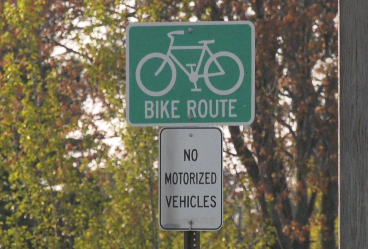
Other recommendations concern the multi-use path, including painting a center line and identifying slow zones with corresponding signage.