
LANSING, Mich. (WZMQ) – The Michigan House has overwhelmingly approved new protections for minors being transported to residential treatment programs, targeting what lawmakers describe as traumatic and largely unregulated practices.
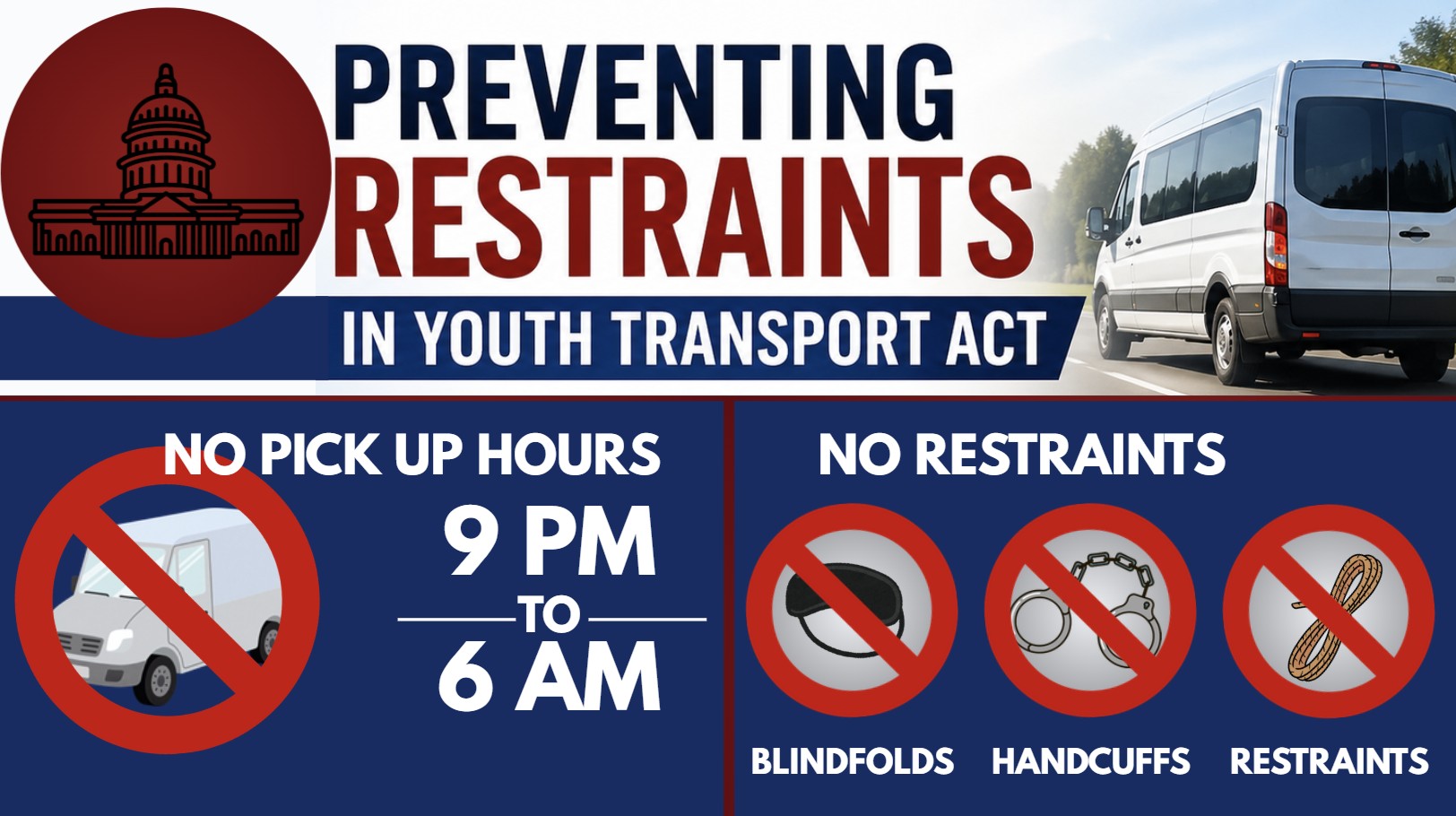
The legislation, known as the “Preventing Restraints in Youth Transport Act,” passed with bipartisan support in a 104 to 6 vote and now heads to the Senate for consideration.
The bills would prohibit youth transport companies from picking up minors between 9 p.m. and 6 a.m. and restrict the use of physical restraints during transport. Restraints would only be allowed in situations where there is an immediate risk of serious harm and no other alternatives are available.
Rep. Cam Cavitt (R-Cheboygan) said the legislation was prompted by concerns from a constituent whose child was transported to an out-of-state treatment facility under conditions the family did not fully understand.
“These are kids who have not been charged with a crime,” Cavitt said. “They’re families trying to get their children help, but in some cases, they don’t realize what that transport process looks like.”
Cavitt described reports of minors being taken from their homes in the middle of the night and transported using restraints such as handcuffs or shackles. He said parents may unknowingly consent to those practices by signing paperwork with treatment facilities.
Supporters say the bill aims to make the process safer and more trauma-informed for vulnerable youth.
“I think the first job of government is to protect its citizens, especially children,” Cavitt said. “We can’t ignore situations like this.”
The legislation also introduces financial penalties for violations, with companies facing fines of up to $1,000 per incident.
The issue has drawn national attention, including support from media personality and advocate Paris Hilton, who has spoken out about youth transport practices and praised the Michigan proposal. Cavitt noted Hilton’s advocacy has helped raise awareness about the issue nationwide.
Lawmakers say similar reforms have been considered in other states as scrutiny of the youth transport industry grows.
If approved by the Senate and signed into law, the bills would mark a significant step toward regulating how minors are transported to treatment programs in Michigan.