
ESCANABA, Mich. (WZMQ) – An Upper Peninsula nonprofit is downsizing its operations to reduce administrative costs while continuing to serve community members.
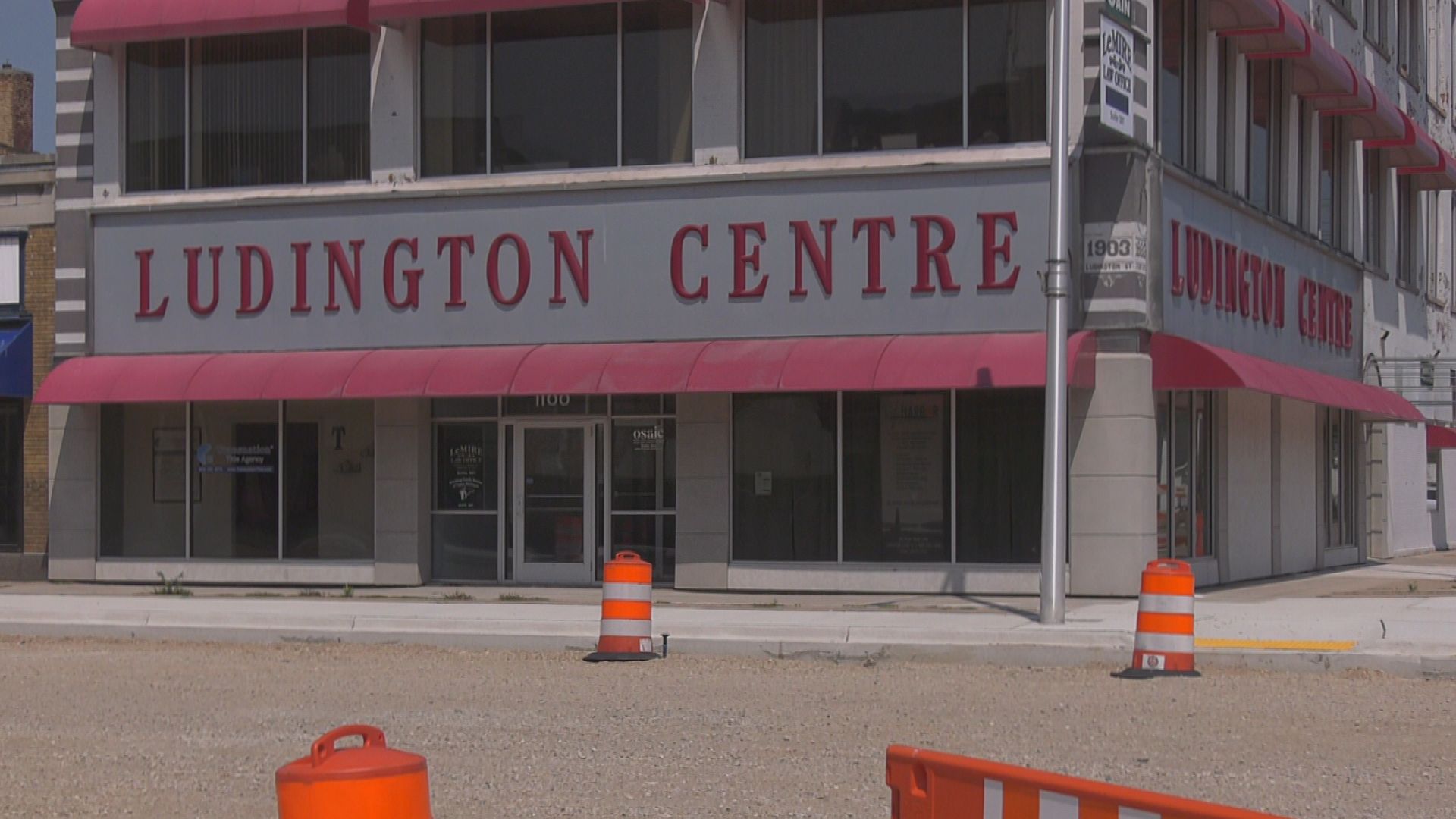
Tri-County Safe Harbor provides life-saving support for survivors of domestic violence, assault, and stalking throughout Delta County, Schoolcraft County, and Menominee County. The nonprofit plans to close its administrative office on Ludington Street in Escanaba by August 31.
According to a press release, the decision comes after a year of analysis and consultation by the agency’s Board of Directors and its Executive Director, Liz Reed, in response to continued reductions in state and federal funding for domestic violence agencies.
“This wasn’t a decision that happened overnight, nor was it made in a silo,” Reed said. “For nearly a year, the Board and I have been evaluating every aspect of our operations, researching best practices, consulting with nonprofit operational experts, and identifying responsible ways to reduce expenses while protecting services for survivors. Anyone who has worked with me knows I believe in doing the homework before making decisions.”
The closure will not impact the shelter or its direct services for survivors. Reed is the only employee who works in the Ludington Street office, and she will continue working remotely and from the shelter.
At the beginning of the current fiscal year, Tri-County Safe Harbor experienced a $70,000 reduction in federal Victims of Crime Act (VOCA) funding. Since that time, staffing has decreased from fourteen employees to eight through a combination of funding reductions, a retirement, and employee attrition. Tri-County says that if State VOCA funding cuts projected for this fall are implemented, the agency would lose another $34,582 in funding.
This is not the first time in the agency’s history that a decision of this nature has been made. When it was known as the Alliance Against Violence and Abuse in 2000, leadership made the decision to close its administrative office due to fiscal realities.
Reed says that Tri-County Safe Harbor is not alone in its situation, as domestic violence agencies throughout Michigan continue to face declining victim services funding. Other organizations are making similar decisions by consolidating operations, reducing overhead, and closing leased office spaces to preserve direct services.
The closure of the Ludington Street administrative office, along with the closure of the agency’s Manistique outreach office at the end of May, will save Tri-County Safe Harbor more than $11,000 annually in rent and utility expenses. The organization has also identified more than $6,000 in annual savings by obtaining comparable cybersecurity insurance coverage while maintaining the same level of protection.
“These are exactly the kinds of decisions the public doesn’t always see,” said Reed. “We’ve examined insurance, office space, mileage reimbursement, administrative operations, and virtually every expense we reasonably can before considering anything that could affect survivor services.”
Tri-County Safe Harbor will also continue its partnership with the Community Foundation for Delta County, which strengthens the agency’s fiscal management through financial administration and oversight.
“Their expertise strengthens our financial operations and allows us to remain focused on what matters most—serving survivors,” Reed said.
Tri-County Safe Harbor is also investing in opportunities that could expand services in the future. Last week, the agency partnered with The Caring House in Iron Mountain to apply for the Violence Against Women Grant Program, offered through the U.S. Department of Justice. If awarded, the grant would allow both organizations to hire additional staff members to provide direct services to rural community members in the counties of Menominee, Delta, Schoolcraft, Dickinson, Iron, and Florence, Wisconsin.
Reducing costs is only one part of our long-term strategy,” Reed said. “We are equally committed to identifying new funding opportunities that allow us to expand services to survivors who often face significant barriers because of where they live. Rural communities deserve the same access to advocacy, safety planning, and support as anyone else.”
Survivors can contact Tri-County Safe Harbor’s business office Monday through Friday from 8 a.m. to 4 p.m.. at (906) 789-9207. The agency offers support via a 24/7 help line at (906) 789-1166 or 1-800-682-1659. Click here to learn more about services available through Tri-County Safe Harbor.