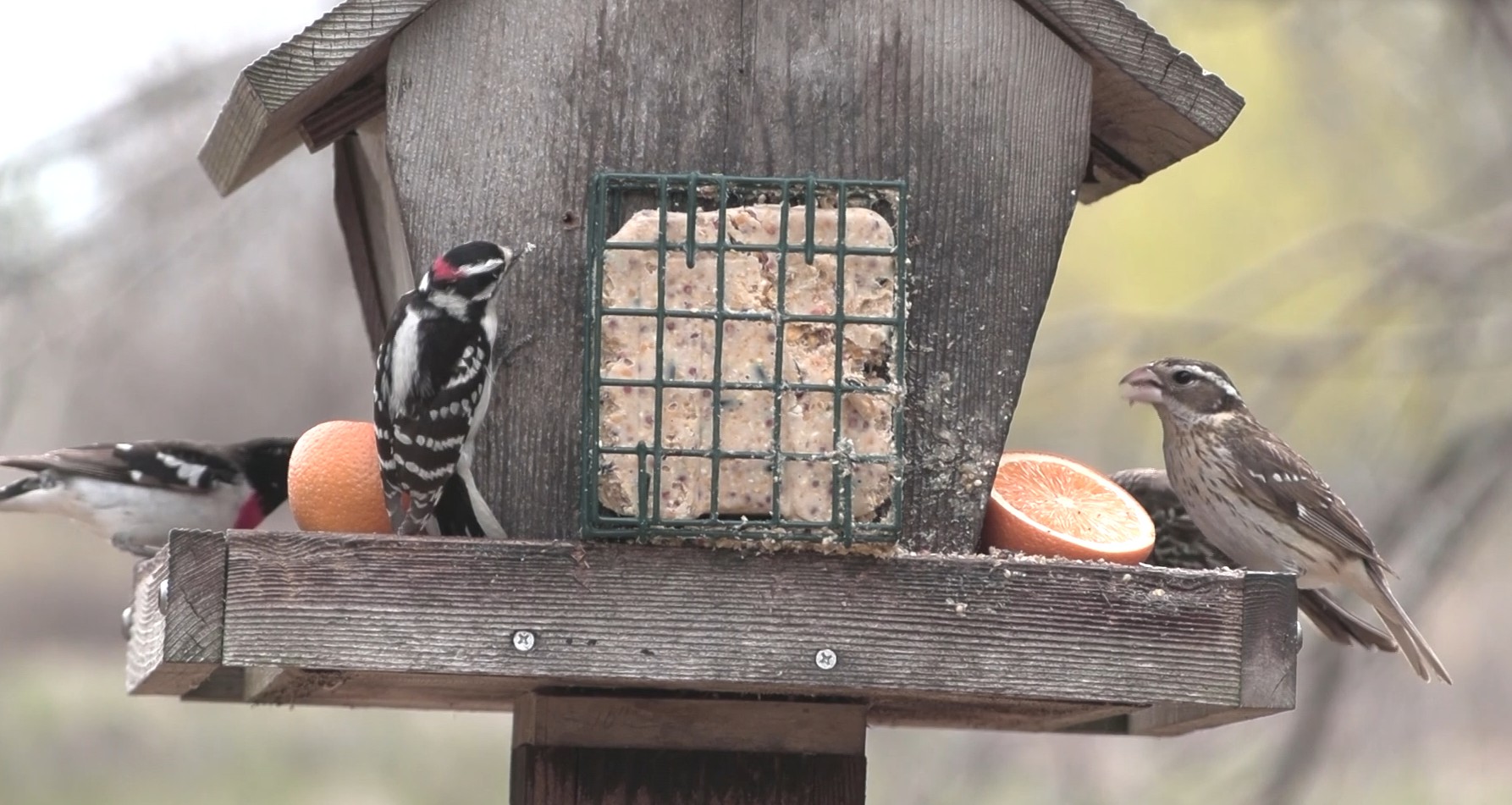
LANSING, Mich. (WZMQ) – Michigan lawmakers passed a bill last week that would stop residents from being charged with illegal deer baiting simply for feeding birds and other backyard wildlife.
House Bill 4350, sponsored by Rep. Ken Borton, R-Gaylord, would amend the Natural Resources and Environmental Protection Act to allow wildlife and bird feeding under specific conditions: the feed must be within 300 feet of a residence, and no more than two gallons may be present at one time within that distance.
Under current law, Borton said, a homeowner can be cited for baiting if deer are drawn to feed that spills from a bird feeder onto the ground, even unintentionally.
“It’s not that having a bird feeder is illegal,” Borton said. “Where it becomes illegal is when that seed drops on the ground.”
The issue is personal for Borton, who says a Department of Natural Resources officer cited him for baiting after deer appeared on his backyard webcam, drawn in by spilled birdseed. Borton said the moment, roughly five and a half years ago, prompted him to run for the Legislature and introduce the bill during his freshman term, his first as a state lawmaker.
Borton said he heard from elderly constituents who described being cited for feeding birds despite having no other legal trouble.
“It was heartbreaking, the letters and emails and phone calls that I got from elderly people that have said, I can’t believe I’ve been a good law abiding citizen all my life, and now I have a misdemeanor.”
Borton said even conservation officers had pushed back on enforcing the law against bird feeders, telling him they didn’t want to be “the bird feeder police.”
The bill isn’t Borton’s first attempt at the change. A similar measure passed the House and Senate during the 2021-2022 legislative session but was vetoed. This time, the bill passed the Senate unanimously with immediate effect before clearing the House with bipartisan support, according to Borton.
According to the Senate Fiscal Agency’s bill analysis, the measure would have no fiscal impact on state or local government.
The legislation, part of a broader package of policy bills tied to this year’s state budget, now awaits the governor’s signature. Borton said he’s confident the outcome will be different this time.
“It’s basically going to allow people to enjoy their wildlife and not fear of being turned into a criminal because of it,” Borton said.