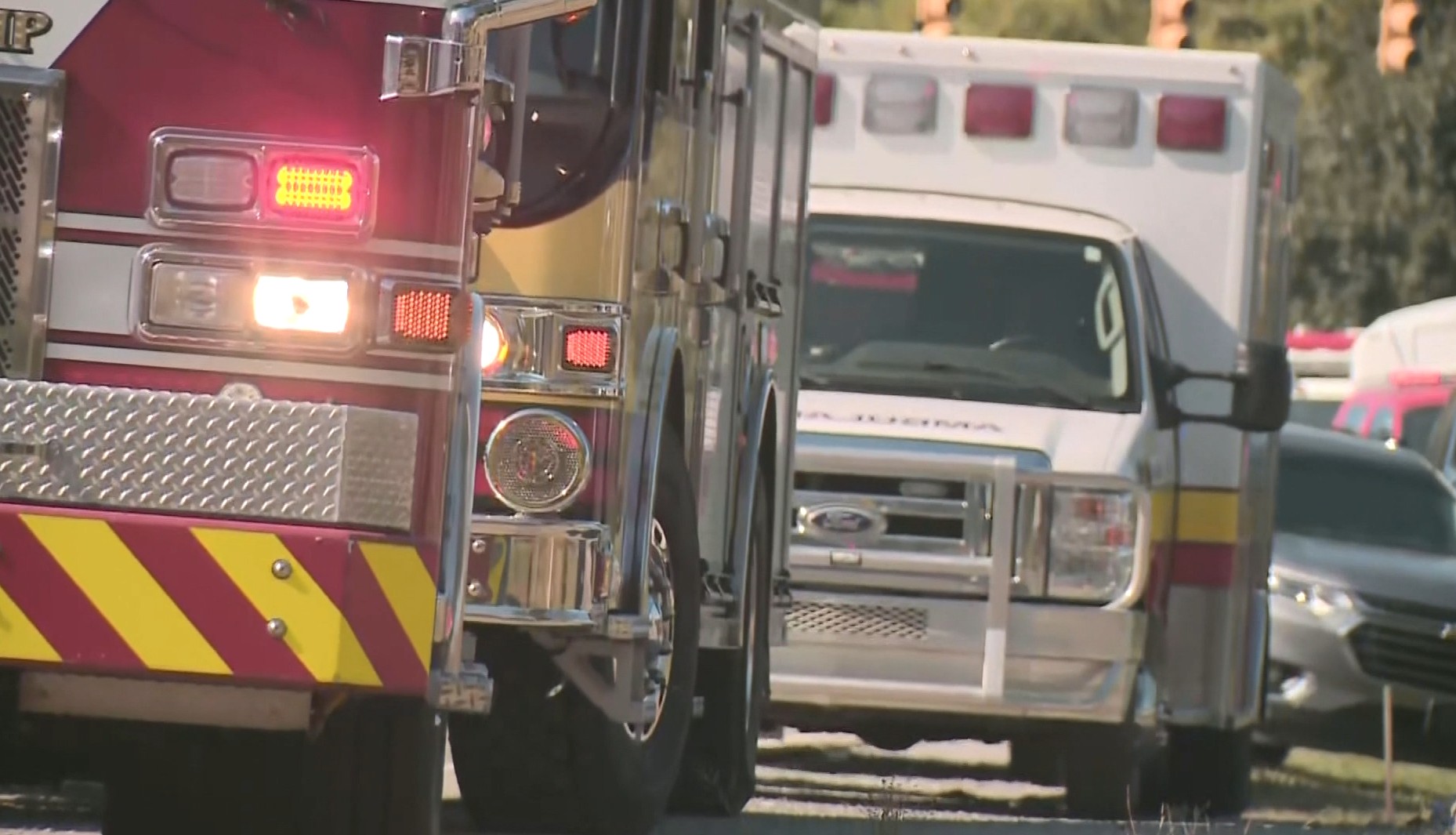
LANSING, Mich.(WZMQ) -If a police officer, firefighter, or paramedic tells someone to stay back from an emergency scene, Michigan lawmakers may soon have a new law to back up that order.
A package of bills advancing through the state House would create a 25-foot buffer zone around first responders who are actively performing their duties. The legislation cleared the House Judiciary Committee this week and is now eligible for consideration by the full House.
The bills would apply to police officers, firefighters, corrections officers, and emergency medical personnel.
Under the proposal, a person who knowingly ignores a verbal warning and approaches within 25 feet of a first responder with the intent to interfere, threaten, or harass them could face criminal penalties. A first offense would be a misdemeanor punishable by up to 60 days in jail and a $500 fine. More severe penalties would apply if the violation results in injury or death.
Rep. Mike Harris (R-Waterford) said the legislation is designed to prevent people from inserting themselves into dangerous situations.
“These bills would make a very clear defined rule that would say, listen, if a first responder, police, fireman, asks you to stay back 25 feet, you have to comply with that,” Harris said. “And it’s probably for your own safety, right? And for the safety of the first responders that are trying to either render aid or administer some type of care.”
Harris said lawmakers heard concerns from first responders and community members who have witnessed people getting too close to active emergency scenes.
“You see things every year in the news, interaction between protesters, police, people sometimes inserting themselves in fire situations, and it’s dangerous,” Harris said. “So we want to create some clearly defined rules that keep people out of harm’s way and keep the first responders out of harm’s way.”
Questions were raised in committee about whether the legislation could limit people’s ability to record police or other emergency personnel in public. Harris said the bills would not restrict those activities.
“People’s First Amendment rights are still protected,” Harris said. “We believe in those strongly. Having people that can film what’s going on, even be critical of what’s going on, that’s not the issue.”
Similar laws have been adopted in several other states, though some have faced legal challenges in court.
If approved by both chambers and signed into law, the legislation would take effect 90 days after enactment.