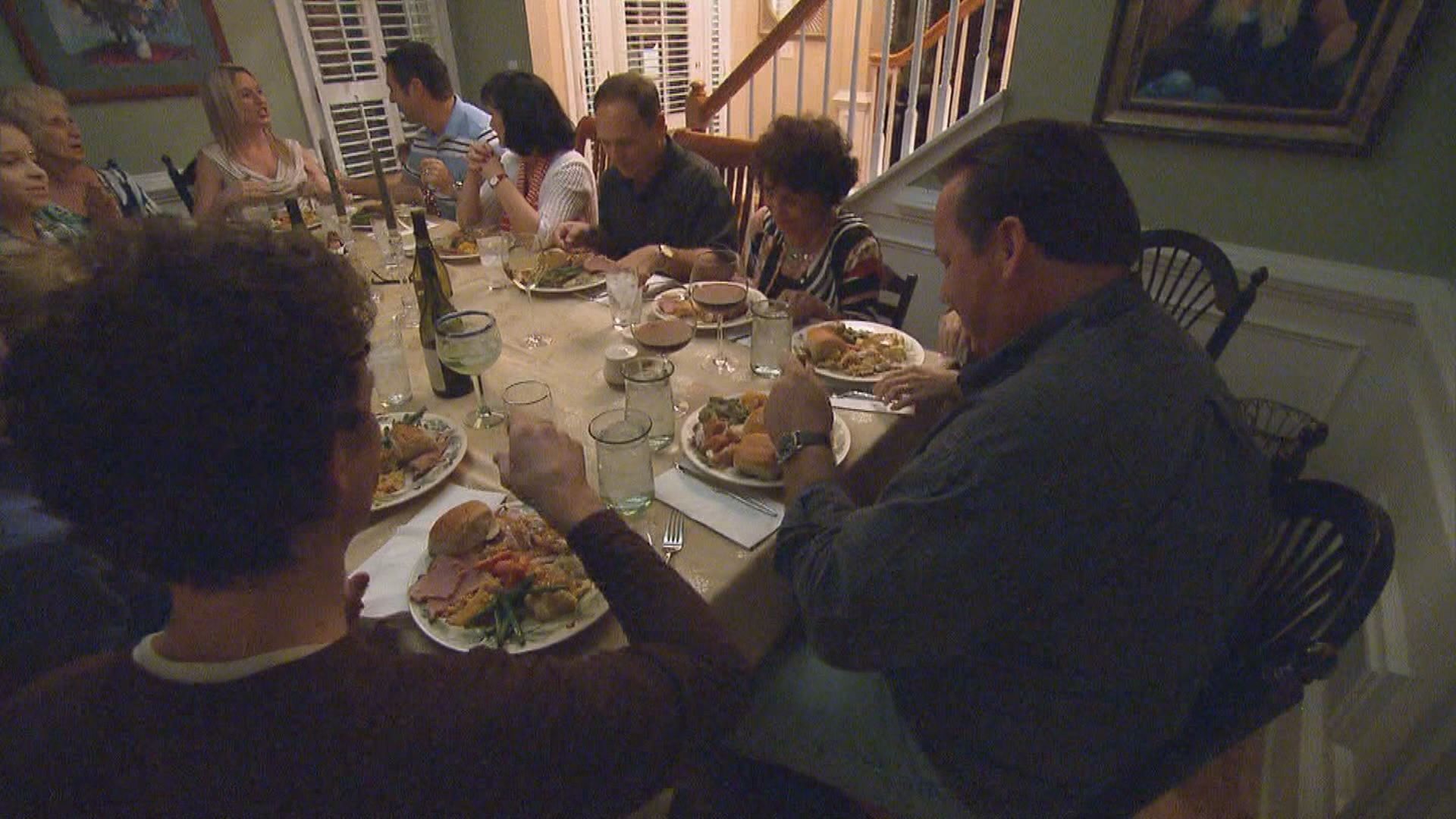
WASHINGTON, D.C. – As families get ready to spend the Thanksgiving holiday together, some might say this holiday brings a lot of anxiety, especially at the dinner table. A combination of high expectations, dinner preparations, even divisive conversations could stir the pot. We spoke with a psychotherapist on how to navigate stressful dinner conversations.
“I think all holidays now are more fraught than they used to be because the environment and the culture is so polarizing and contentious,” said Dr. Jeffrey Rubin, a psychotherapist. “So, when people sit down and they bring in their viewpoints and their viewpoints are different and maybe they feel betrayed because they thought a family member was quote ‘with them’ on the same side of the aisle it can get really acrimonious, it could make people not want to go.”
Dr. Rubin said sometimes polarizing topics, like politics, gets brought up at the dinner table, which could lead to disagreements and confrontation. So how should you navigate this?
“One answer might look like avoid them,” said Dr. Rubin. “Sometimes that’s necessary if you know you can’t have any honest conversation without attacking but another way to go is don’t focus on winning. Focus on understanding. So, ask the relative who you know votes for someone that you really detest, ask them what their viewpoints are, where are they coming from and how they see things. Don’t feel like you have to defeat them or argue with them. Just try to understand they will feel that you’re trying to understand as opposed to trying to win.”
Dr. Rubin shared an example of a method he tried at a large dinner gathering: “I would say: what interests you in your life right now? Do you have a goal that’s right around the corner? Talk about that rather than rehashing stuff we’ve talked about 100 times like politics, that doesn’t seem to get resolved when we talk about it.”
He said the goal isn’t about eliminating disagreement, but rather keeping it from destroying the connection.