
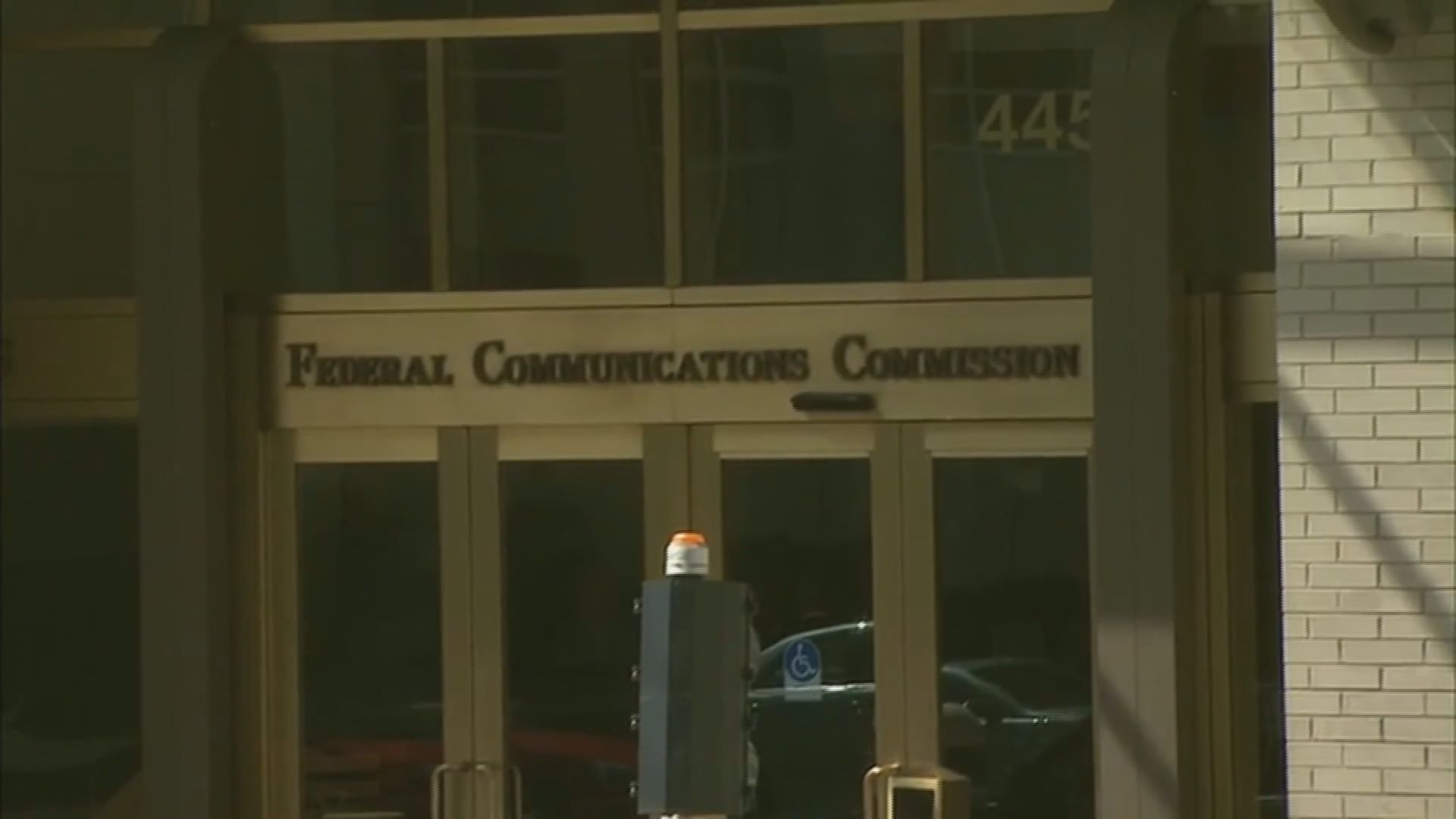
WASHINGTON, D.C. – From targeting major broadcast networks and content disputes, FCC Chairman Brendan Carr has drawn criticism over the agency’s decisions. However, in recent interviews and press conferences, the chairman is defending those decisions.
Despite bipartisan concerns that the FCC is overstepping their authority to punish critics of the President, FCC Chairman Carr said the agency is operating as it should.
Jennifer Huddleston, a CATO Institute senior fellow in technology policy explains some of the concerns surrounding the FCC under Carr’s leadership:
“Particularly concerns around how some of the agencies actions might end up implicating the first amendment and concerns around free speech and free press,” said Huddleston. “We’ve seen this over concerns of moves to pull Disney’s ABC or to review Disney’s ABC broadcast licenses early. We’ve seen this with concerns around issues related to the comment on issues of ‘we can do this the easy way or the hard way’ when it came to Jimmy Kimmel. We’ve seen this in comments to the return of news distortion rule or other elements related to equal time.”
Huddleston explains in many cases the agency will point to rules that have been on the books regarding these concerns.
“But there are many questions and concerns on what that might do to the broader media ecosystem or what this might mean if we start to see the agency take a much more active role in ways that we haven’t traditionally seen,” said Huddleston.
In the agency’s latest move, they voted two to one to eliminate a rule that implemented a cap on TV station ownership in the US. Critics said it’s a huge with to big media companies aligned with the President. In this recent case, FCC Commissioner Anna Gomez argued this change should be up to Congress, not the agency.
“Congress set the cap, and only congress can change it,” said Gomez during a recent FCC meeting. “Even setting the legality aside, eliminating the cap is bad policy. It will result in consolidation at a time when consolidation results in newsroom mergers, content duplication, fewer independent voices and higher retransmission consent fees passed on directly to consumers.”
But Carr says otherwise.
“The FCC’s legal authority to modify the national cap is clear; the DC circuit has already rejected the argument that Congress’ decision to pass a statute directing the agency to set the cap at a specific percentage prevents the FCC from later modifying the cap,” said Carr during a recent FCC meeting.