
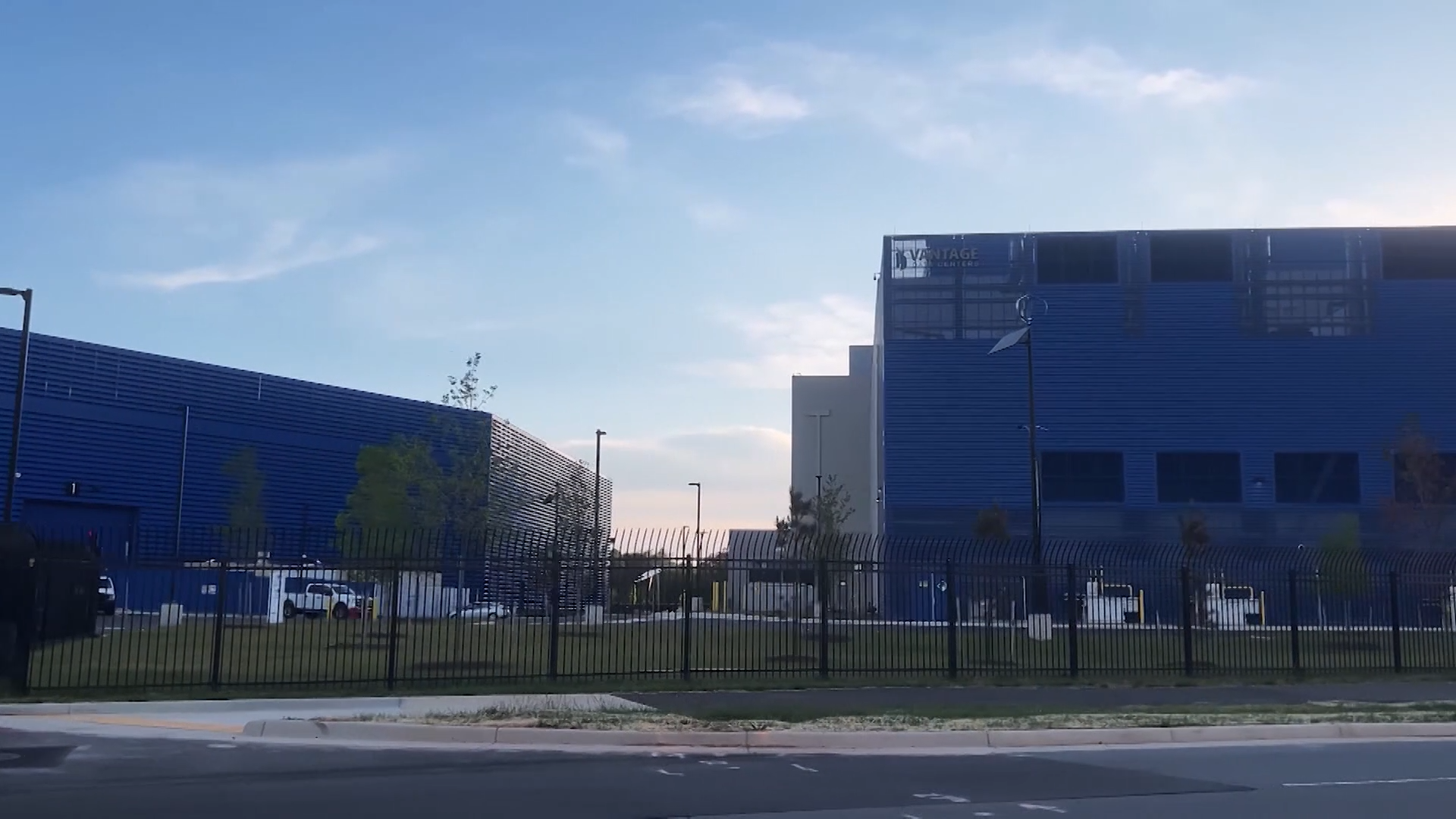
WASHINGTON, D.C. — In the past few months alone, dozens of data center projects across the country — worth billions of dollars — have been blocked or stalled after community pushback.
As data center opposition grows, so do the alternative approaches to powering artificial intelligence.
With demand for data centers to help power artificial intelligence comes the need for new power infrastructure, water and land.
“It almost doesn’t matter where you go. If you take a 300-megawatt data center and you go into that area, there’s no grid that’s set up or ready to handle that. So you’re going to have to bring in infrastructure, you’re going to have to bring water, you’re going to have to find the land for it,” said Jeff Thramann, founder and CEO of LT350. “You’re going to change that community. You’re going to be generating a significant amount of noise. So you have all of these things that come into play that if you scale those down and make them smaller, you simply don’t have.”
LT350 is a distributed AI infrastructure company that is rethinking the future of data centers. Thramann said the problem may not be data centers themselves, but rather their size.
“We have 14 issue patents on the ability to put data centers in the airspace above parking lots. And the way we do that is by deploying a solar canopy structure. Then we have modular cartridges and these cartridges contain the components for batteries, for battery storage, GPUs to run the AI compute, and also an inverter to handle the solar energy,” Thramann said. “We think it’s a really unique opportunity.”
Thramann believes smaller data centers built on existing commercial properties could face less opposition and utilize energy already being produced.
“What we don’t talk about is curtailment, and that’s energy that’s already being generated — clean energy that’s already been generated, that’s dumped into the ground because there’s nobody to use it,” Thramann said. “Last year, worldwide, we dumped about 200 terawatt hours of energy into the ground. That’s enough to fuel 75 million GPUs per year. Right now, we have about 25 million GPUs deployed worldwide. And to capture it correctly, you have to be out there on the grid circuit to be able to do that, and that’s smaller deployments on every grid circuit to capture that energy.”
Thramann said the company’s first deployment of the technology is set for next year in Dallas, Texas.