WASHINGTON, D.C. – New military strikes on Iran bring renewed concerns of long-term economic impacts for Americans. Experts warn a continued war with Iran could make food and gas prices increase.
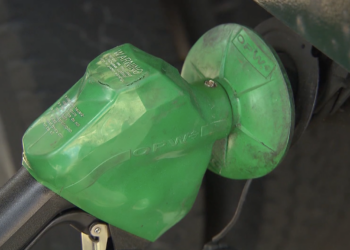
When the war began, gas prices shot up and reached some of the highest national averages in May at $4.56 per gallon, according to AAA. A lot of that was due to the disruption of the commercial flow from the Strait of Hormuz where about 20 percent of the world’s petroleum and crude oil passes through each day.
AAA said prices have began to drop and part of that is because as we get closer to the fall months, gas prices start to typically get a little cheaper but also because there were talks of ceasefire agreements. However, President Trump recently announced the ceasefire agreement with Iran “is over” and the fighting has resumed. Experts are keeping an eye out for potential spikes on gas and even food prices.
“We saw the national average go back up five cents overnight, which is the highest increase we’ve seen in weeks if not months,” said Aixa Diaz, a spokesperson with AAA. “It’s still too soon to know what this is going to mean long term because the situation is so volatile and fluid but all it takes is hope of a resolution or at least some sort of ceasefire back in place for the markets to react again positively and keep prices down.”
Derek Reisfiled, cofounder and original chairman of MarketWatch, said food prices could also increase if the war continues.
“Another aspect on the Strait of Hormuz is a lot of critical chemicals come through the Strait, particularly when it comes to fertilizer which translates to inputs to food,” said Reisfield. “If we aren’t getting the fertilizer then it’s going to be more expensive to grow things and less of it will be grown, so that will translate into higher food prices probably starting this fall.”
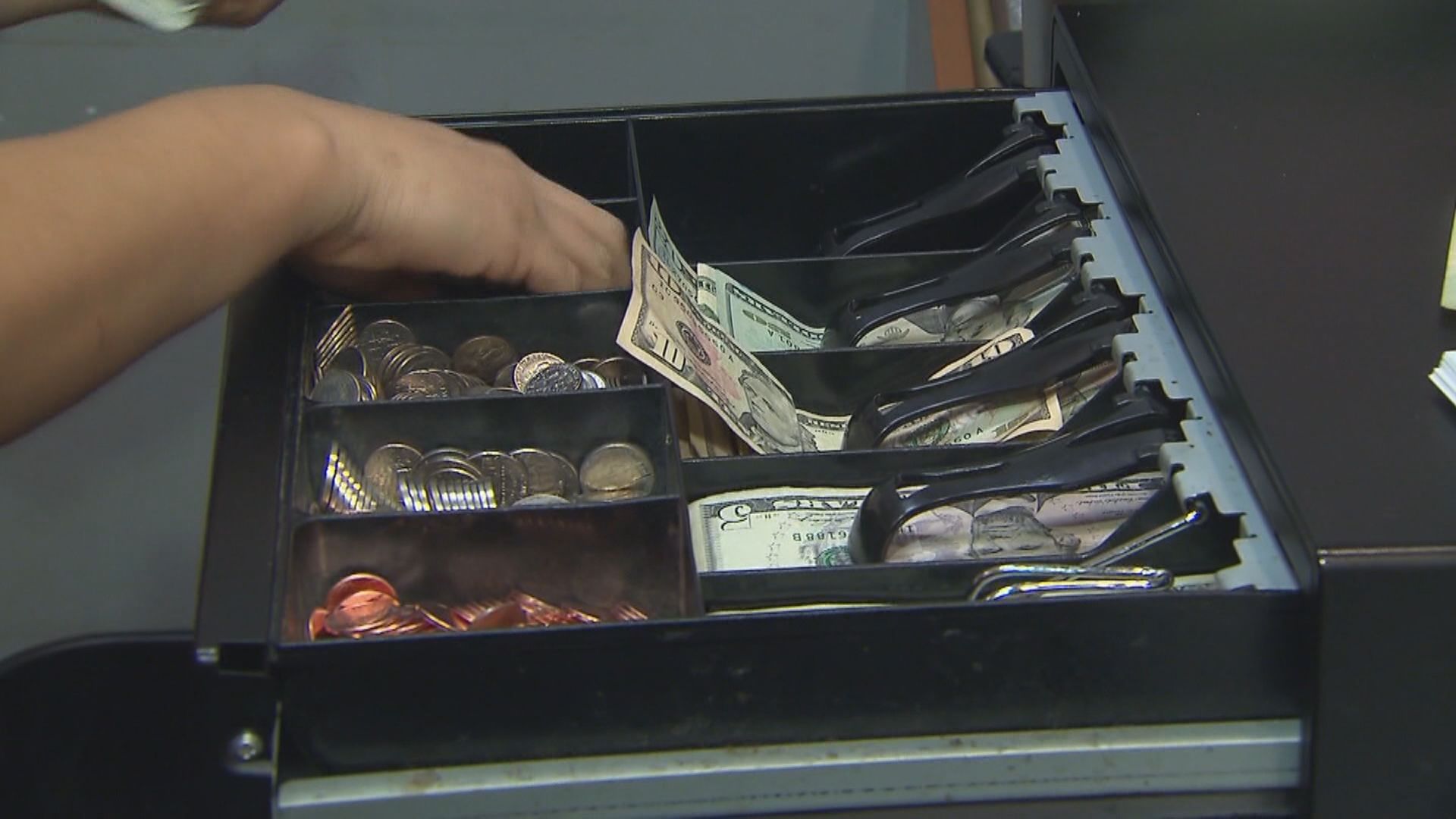
The ongoing tensions could add pressure to the Federal Reserve. Experts said the war has contributed to an increase in inflation and in the latest minutes released by the Fed show that Fed officials are split over how to handle inflation. There’s pressure from the President to keep federal interest rates low but according to the minutes, some supported raising rates by the end of the year and some support keeping them unchanged.