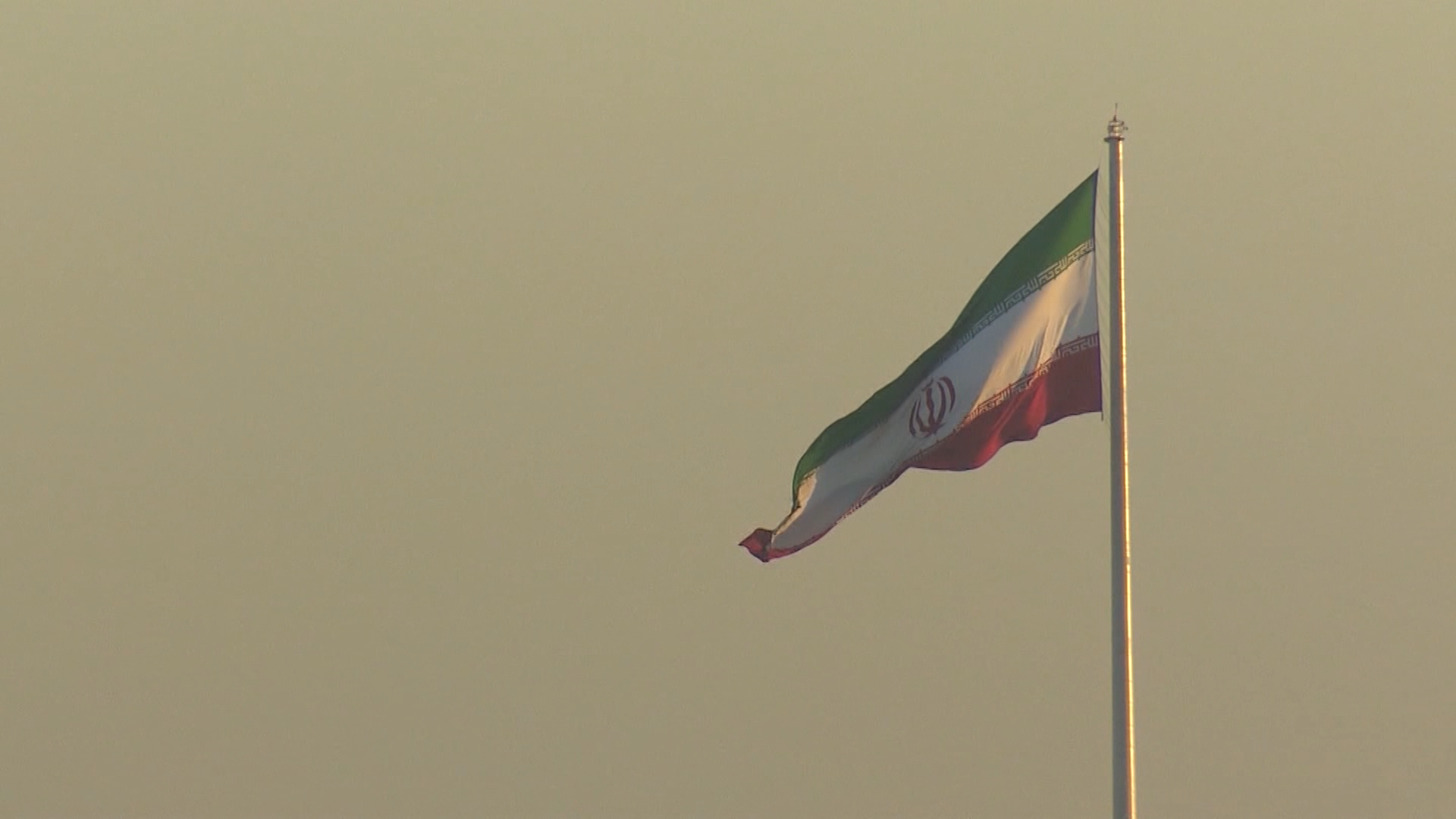
WASHINGTON, D.C. — New details are emerging about the framework toward a U.S.-Iran peace deal, including reports of a $300 billion fund that could help rebuild and develop Iran.
But President Donald Trump says the U.S. isn’t putting up a dime and is pushing back on reports that suggest otherwise.
A digital version of the memorandum of understanding was signed Sunday by leaders of both the U.S. and Iran. A formal signing ceremony is scheduled for Friday in Switzerland. That ceremony will trigger a 60-day negotiating period to finalize the terms.
“Achieves everything we set out to accomplish, everything and much more,” Trump said Wednesday at the G7 summit in France, describing the memorandum of understanding.
New details of the draft shared Wednesday offer one of the clearest looks yet at a potential path to peace.
The 14-point framework reportedly calls for reopening the Strait of Hormuz, easing financial pressure on Tehran and securing a commitment from Iran that it will never build a nuclear weapon.
One provision drawing attention involves a reported $300 billion development fund that Iran could access if it meets future obligations outlined in the agreement.
“We’re not putting up 10 cents,” Trump said. “We are not investing in it, and we do not have a fund.”
The Trump administration is pushing back on reports that the United States would bankroll the fund, insisting any future investment decisions would be made by private parties or foreign governments, including Gulf state neighbors.
“People can decide to do that, but that’s up to them,” the president said. “If they do it, fine. But I would say they won’t be doing it for a while until they find out the behavior. It’s a behavior thing.”
A digital version of the memorandum was signed Sunday by leaders of both countries. A formal signing ceremony is expected Friday in Switzerland, triggering a 60-day negotiating period to finalize terms.
“If it doesn’t get done in 60 days, it’s all right. We go back to bombing,” Trump said.
Some Republicans and most Democrats are critical of the agreement and are raising questions about the $300 billion fund and what the deal means for Iran’s stockpile of highly enriched uranium.
“It’s going to leave Iran stronger, and it’s going to leave our allies weaker, and it may commit U.S. taxpayer dollars,” said Sen. Bill Cassidy, R-La.
“As a member of the Senate Armed Services Committee and the Senate Intelligence Committee, I can tell you plainly, this war has degraded our military readiness, endangered our national security and torn Americans’ international credibility to shreds,” said Sen. Kirsten Gillibrand, D-N.Y.
Despite optimism from the White House, Trump says nothing is final yet and that military action remains on the table if talks collapse.
“If I don’t like it, if they don’t behave, we’ll go right back to dropping bombs right smack in the middle of their head,” Trump said.