WASHINGTON, D.C. — Progress on a nearly $100 billion dollar supplemental spending plan has stalled in the Senate — with lawmakers now gone for the August recess.
The House GOP-led plan would direct billions toward defense, farm programs and election security. The $95 billion budget framework recently passed the U.S. House before representatives left for their August recess — but the Senate has yet to consider the framework.
Budget Committee Chair Sen. Ron Johnson, R-Wis., released the Senate GOP’s version of the plan Friday — hoping to unlock the third party-line spending bill. Sen. Johnson’s plan is slightly expanded from the House-passed blueprint.
The House GOP’s blueprint sets aside $73 billion for defense and intelligence, $10 billion for election security grants, and roughly $11 billion for agriculture.
“On the agriculture side, if we’re not farming, we ain’t eating,” said Rep. Jack Bergman, R-Mich., who helped craft the blueprint in the House Budget Committee.
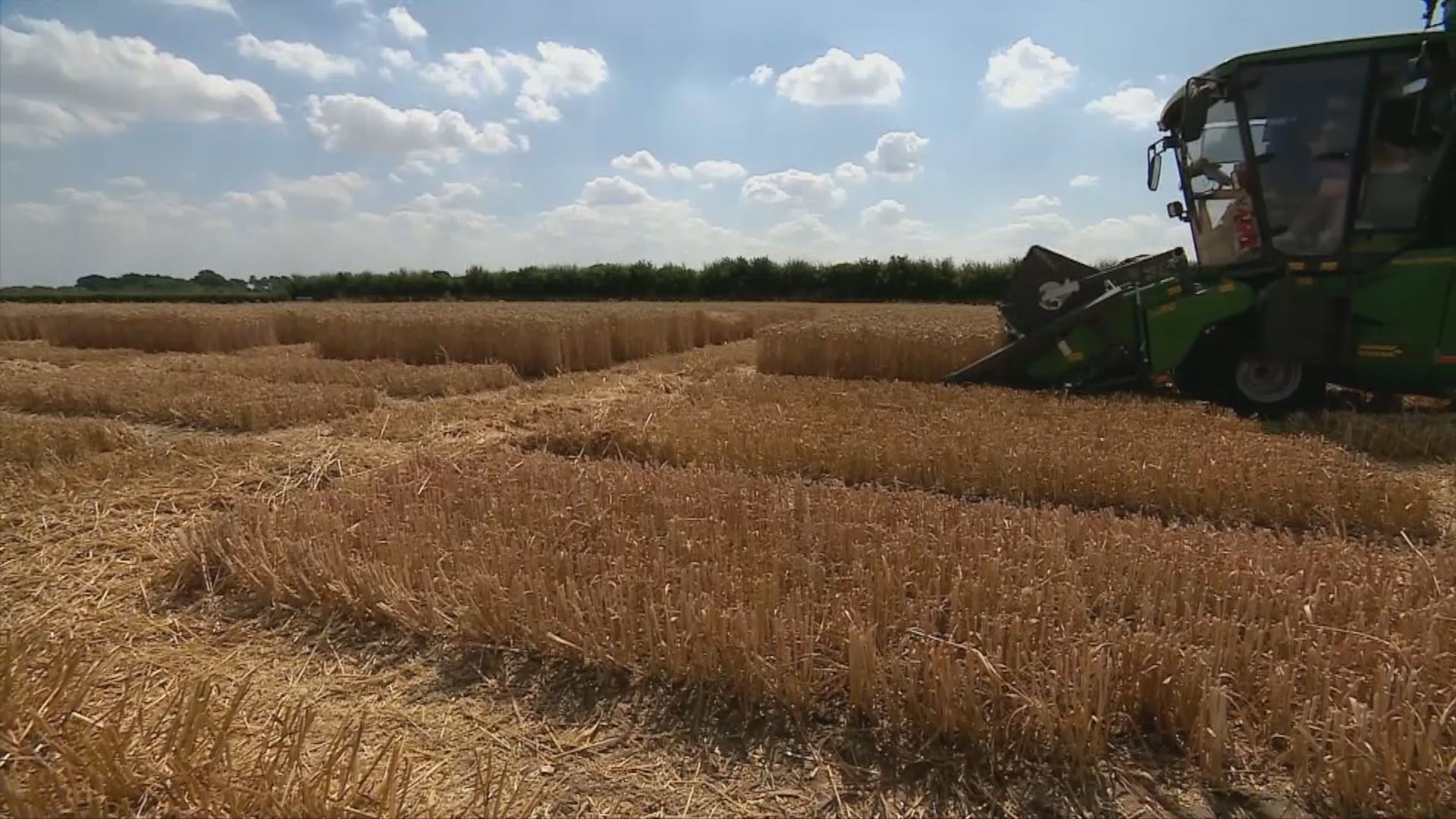
The potential additional dollars for farmers come at a time when many are struggling with higher costs. The war with Iran, more specifically disruption in the Strait of Hormuz, has driven fuel and fertilizer costs much higher.
“There are implication points from the war in Iran specific to global fertilizer trade flow, specific to overall fuel cost and fuel cost affect everything that we consume because of overall transportation costs and moving things out into rural America and putting them into position as farmers need them,” said Farm Journal business reporter Margy Eckelkamp.
“Number one top of mind for them is the overall increase in their production cost. That includes fuel, it includes their crop inputs, their fertilizer, and it also includes the overall inelasticity of land values and what that means for cash rent and those lease agreements,” Eckelkamp said.
If approved, the $11 billion would come on top of $44 billion in government payments that the USDA’s Economic Research Service has estimated farmers will receive this year.
“So combined, if approved, that would be $55.4 billion,” said Eckelkamp. “If you spread that evenly across 153.8 million U.S. taxpayers, that total roughly equals out to $360 per taxpayer, or roughly a dollar per day supporting farmers, supporting rural economy.”
Eckelkamp said it’s difficult to underscore how vital of a role farmers play in rural economies.
“Overall, food and ag supports 30% of U.S. employment. If you think about rural economies, farmers are, in many cases, foundational to supporting those rural economies. They are the customers of the fuel stations, the hardware stores, the local mechanic,” Eckelkamp said. “Supporting the ag economy through a hard time, which now we’re in about the fifth or fourth year of a down cycle, is really supporting rural America.”
The Senate is expected to revisit the spending blueprint when lawmakers return from their August recess. Both chambers would need to agree on an identical resolution before the Senate could consider a spending bill that could bypass the 60-vote legislative filibuster.