WASHINGTON, D.C. — A high-stakes confrontation unfolded in the Strait of Hormuz on Sunday when U.S. forces intercepted and seized an Iranian-flagged cargo ship.
President Donald Trump said U.S. Marines took custody of an Iranian cargo vessel attempting to slip past a newly enforced naval blockade. It marks the first major clash since the U.S. tightened pressure on Tehran just days ago.
Iran is now threatening to shatter an already fragile ceasefire set to expire Wednesday.
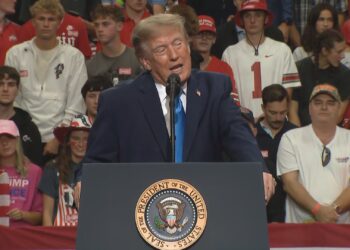
“We have very good conversations going on, it’s working out very well. They got a little cute as they have been doing for 47 years. Nobody ever took them on. We took them on,” President Trump said about the negotiations on Saturday. “They have no Navy. They have no Air Force. They have no leaders. They have no nothing.”
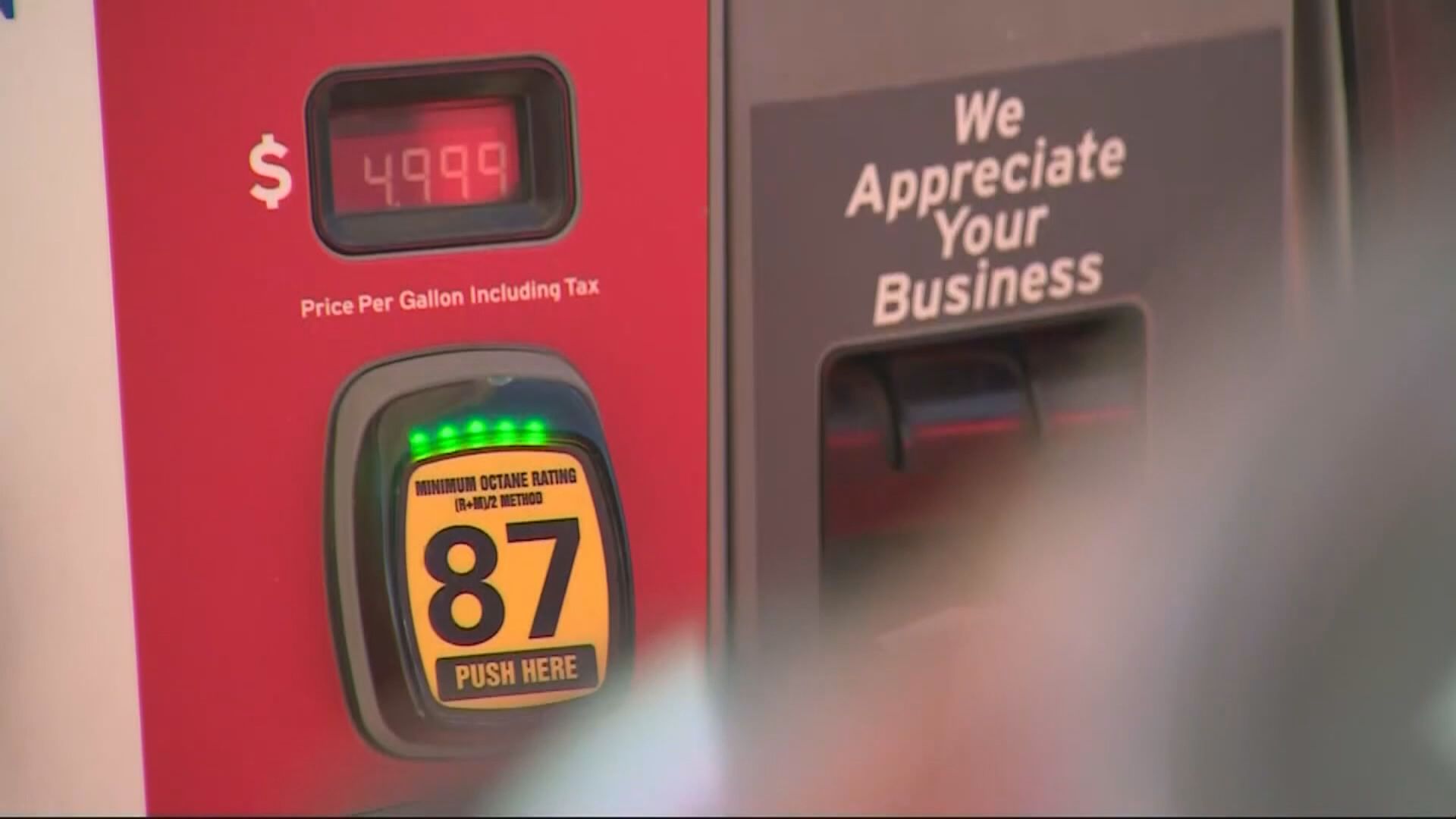
“Costs are going up. And a big part of the problem right now, particularly as it relates to skyrocketing gas prices, is Donald Trump’s reckless and costly war of choice. It’s making life more expensive for the American people,” said House Minority Leader Hakeem Jeffries, D-N.Y., on Monday.
U.S. and Iranian negotiators are expected to reconvene in Pakistan this week to try and reach a deal before the ceasefire expires. Major sticking points remain, however, like control of the Strait of Hormuz and constraints on Iran’s nuclear program.
Iran’s president is pushing back, warning that his country will not be pressured into submission. A spokesperson for Iran’s Foreign Ministry said Monday there are no plans for a second round of talks “as of now.”
The mixed signals abroad are translating to economic uncertainty at home.
“There’s not really a clear message,” said Patrick De Haan, head of petroleum analysis at GasBuddy.
Last week, gas and oil prices dipped slightly, following news that the Strait of Hormuz would be reopened.
“Last week, it was positive news. A ceasefire, the Strait of Hormuz was announced by Iran and the United States as being opened, until it wasn’t. And now we’re kind of back to the drawing board,” said De Haan.
As of Monday, AAA’s national gas average was $4.04 a gallon. However, De Haan says oil and gas prices will remain volatile, dependent upon whether the Strait is reopened, how long it’s reopened, whether there’s a peace deal and whether that peace deal is abided by.
“Where we go when it comes to oil and gasoline and diesel and steel prices are really subject to the same headlines that we’re all trying to navigate,” said De Haan. “For now, though, it’s just a constant back and forth until we see visible confirmation that oil tankers are starting to see successful transits through the Strait. We’ll continue to be in this kind of roller coaster ride of ups and downs until there’s a long-term resolution.”
Last week, President Donald Trump warned Iran if talks collapse, the U.S. is prepared to strike key infrastructure, including bridges and power plants.
New figures out of Tehran paint a grim toll — more than 3,000 Iranians, the regime says, have been killed in the conflict.
Iranian-American advocates pushing for regime change say more than one dozen political prisoners have been executed by the regime in just the past few days.