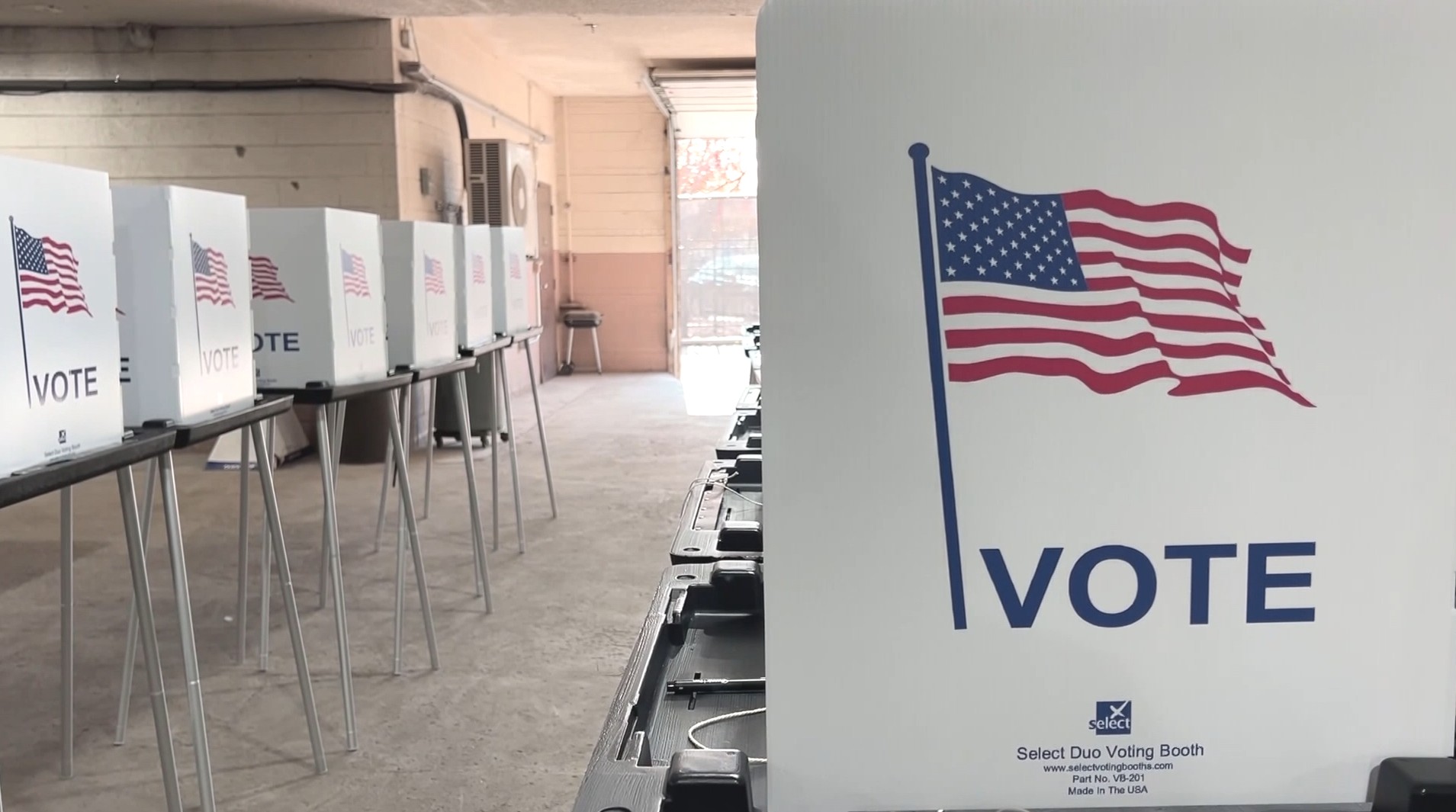
LANSING, Mich. (WZMQ) – Michigan’s August primary settled far more than the headline governor and U.S. Senate races. Across the Upper Peninsula, voters set the November matchups for four state House seats, one state Senate seat and the region’s U.S. House race.
Here’s where things stand heading into the general election:
- 107th District: Melissa Perron (D) vs. Parker Fairbairn (R)
- 108th District: Rachel M. Keys (D) vs. Larry Johnson (R)
- 109th District: Anna Aho Rink (D) vs. Karl Bohnak (R)
- 110th District: Brian Irizarry (D) vs. Gregory Markkanen (R)
- 38th State Senate District: Kelli J. Van Ginhoven (D) vs. David Prestin (R)
- 1st Congressional District: Callie Barr (D) vs. Jack Bergman (R)
Matt Grossmann, director of Michigan State University’s Institute for Public Policy and Social Research, said the fight for these seats could hinge on some of the same dynamics playing out at the top of the ticket.
Grossmann pointed to Michigan’s competitive 7th Congressional District, where a progressive-aligned candidate emerged from the primary, as an early marker of the environment both parties are running in statewide. “We had a US House race that is a competitive and a toss-up race in everyone’s model in the 7th district that also had a Bernie candidate emerge,” he said.
That same volatility extends to the state Legislature, Grossmann said, in part because of how the district lines were drawn, a process he had a hand in. “I was also involved with the redistricting commission. So I know that these districts are drawn to move if the state moves. So if we see a blue wave year where Democrats are winning by 10 points statewide, that’s going to be a lot of House and Senate districts that move in their direction,” he said. He added that Republicans could flip a similar number of seats with a much smaller statewide swing in their favor.
That’s what sets legislative races apart from a statewide race like the one for U.S. Senate, Grossmann said. “Candidates do matter there, but they don’t tend to have the ability to shift things quite as much as in like the US Senate race, where people really get to know the candidates,” he said. “There’s a lot more kind of party line voting now, especially in these House and Senate races.”
Because the margins are so thin, both parties are watching how each candidate is perceived heading into the fall, Grossmann said. “Everybody believes that the extreme candidate is at a disadvantage in the other party,” he said. “So even if you don’t believe that in your own party. So they’re going to run against the candidates that they see as vulnerable across a lot of House and Senate races as well.”
Grossmann said the primary results also revealed limits on how much either party’s base could reshape its own ticket. “I think if you look at it statewide, the parties got the candidates that they wanted in most of the places. So to some extent, it shows… there’s some limits to take on the establishment within each party. But there were some important progressive victories, for example, in the state legislature as well,” he said.
Early turnout numbers may offer another clue about where the fall campaign is headed. Grossmann said Democratic primary turnout rose sharply compared with the last comparable midterm primary, while Republican turnout declined, a pattern he said is consistent with the historical trend of midterm elections breaking against the sitting president’s party.
With the primary now behind them, all six of these races move into the general election, where they’ll be decided alongside the state’s marquee contests for governor and U.S. Senate on Nov. 3.