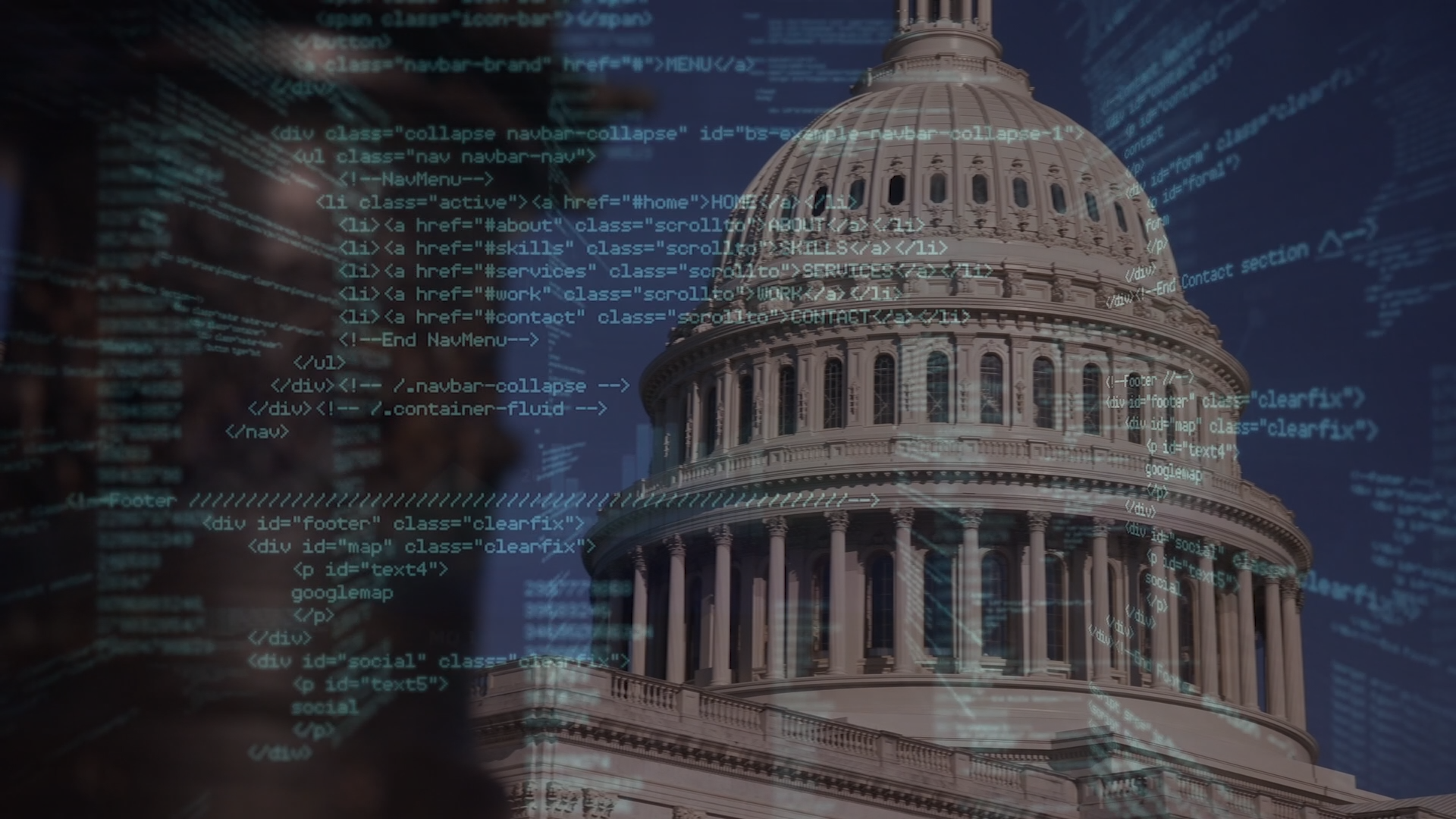
WASHINGTON, D.C. — Recent warnings from inside the artificial intelligence industry are pressuring federal leaders to address the risks of rapidly advancing AI.
“Since it’s important to our constituents, to the American people, it needs to be important to us,” said Rep. Dan Meuser, R-Pa.
“Congress cannot afford to turn a blind eye to AI,” said Senate Minority Leader Chuck Schumer, D-N.Y.
“It’s up to us to keep our citizens safe and secure. And that means watchful oversight,” said Rep. Jack Bergman, R-Mich.
There are heightened calls for action this week on Capitol Hill to find what many lawmakers call “commonsense regulations on AI.”
Congressman Nick Langworthy, R-N.Y., feels strongly that any type of framework needs to be a law-making exercise.
“This cannot be done by executive orders that can just be erased on the whims of the next presidential election. Our leadership has to understand that those things need to move forward,” Langworthy said.
Some proposals on Capitol Hill seeking to regulate AI have been in the works for months, even years. Langworthy said those efforts have been roadblocked largely because of partisan gridlock.
“The polarization of this body is the reason that big picture things like that haven’t happened,” said Langworthy.
The call to action comes in the wake of resignations and warnings by former AI researchers, who say the people developing the technology believe it could become deadly in a matter of just a few years.
Earlier this week, President Trump referred to the so-called doomsday warnings as a “hoax” and has since pushed back on calls for new guardrails.
“Government has a responsibility for public safety. The worst thing government can do, though, is stand in the way of innovation,” said Rep. Meuser.
Leaders are now debating how to maintain an advantage over China while ensuring responsible- and safe- AI development.
“We can — we must do both,” said Leader Schumer.
Congress did, however, act on legislation pertaining to data centers this week. On Wednesday, the House passed the Ratepayer Protection Act 417-3.
The bill would require data centers to pay for energy infrastructure upgrades. The goal is to prevent higher electricity costs in local communities. However, state regulators would only have to consider the standard.
The Ratepayer Protection Act’s future in the Senate remains uncertain. On Thursday, the bill hit a roadblock in the Senate, where it failed to advance through unanimous consent — a procedural mechanism to advance and pass legislation quickly.
Senators have just two weeks before they leave Washington until mid-November.