WASHINGTON, D.C. — If you have federal student loans — or plan to take them out — this summer brought some of the biggest changes to borrowing in years.
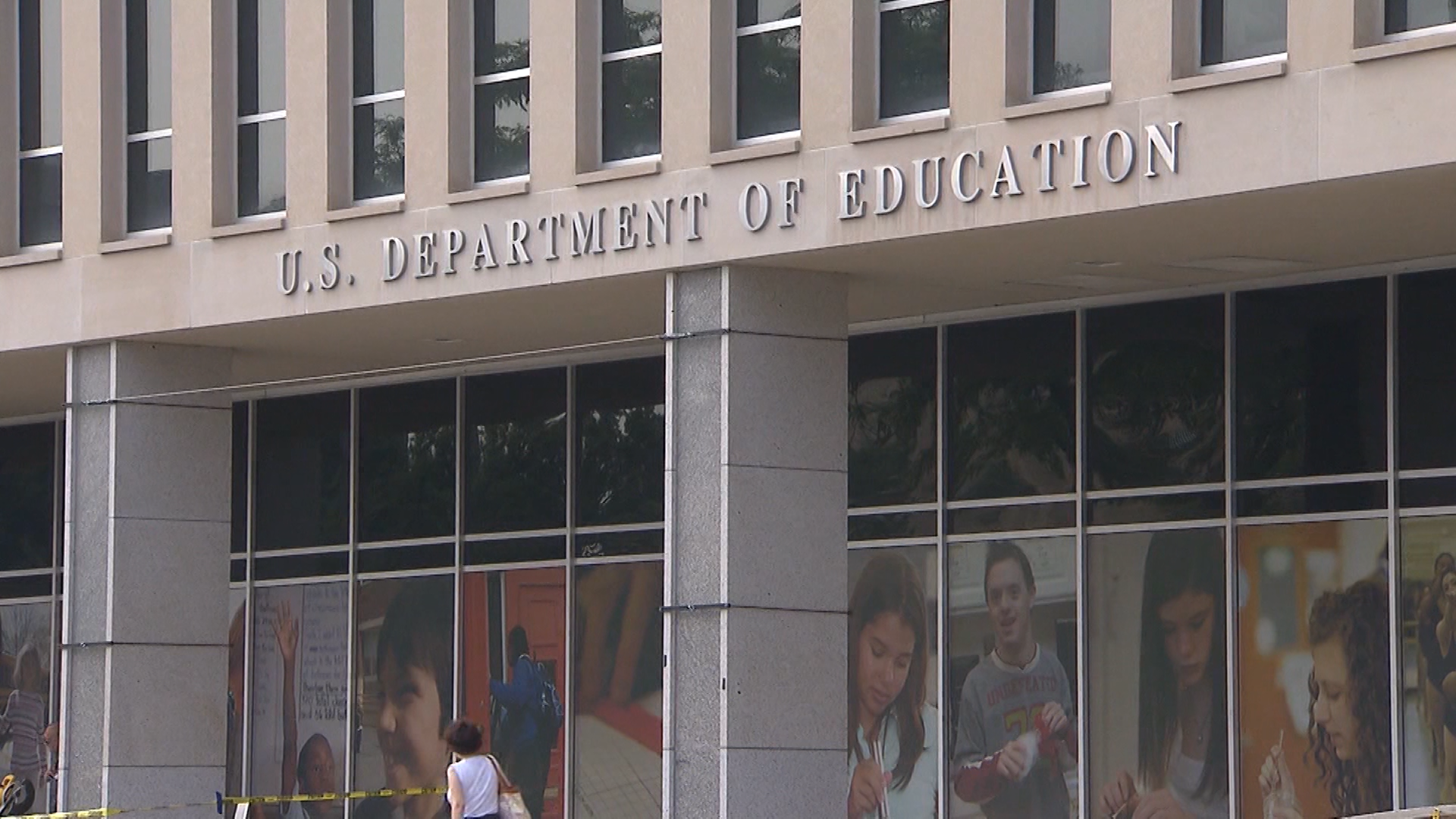
New limits, new repayment options and the phaseout of popular loan programs are now taking effect. These are set to bring major changes for federal student loans and the millions of Americans who rely on them for higher education.
According to the Federal Student Aid Office, as of March, nearly 43 million borrowers have student loans, totaling $1.7 trillion.
As of July 1, sweeping changes under President Donald Trump’s One Big Beautiful Bill Act are reshaping how students borrow money — and how millions of borrowers repay it.
“Really break it down into two buckets. If you’re borrowing money to go to school, and then if you already borrowed money and you’re repaying your federal student loans back,” said Brian Walsh, CFP, head of advice and planning at SoFi, discussing the changes as of July 1.
Graduate and professional students now face stricter federal borrowing limits as the Grad PLUS program begins disappearing, while parents will also see new caps on Parent PLUS loans.
Borrowers already repaying federal loans are also entering a simplified system with just two primary repayment options.
“The big thing is really that they simplified the repayment options. Now your options are the standard repayment plan or the repayment assistance plan. So you still have income-driven repayment as an option, it is just different than the options you had before,” Walsh said.
Supporters say the overhaul makes the system easier to understand and places new limits on borrowing. Critics argue some borrowers — especially lower-income families and graduate students — could end up paying more or be forced to turn to private loans with fewer protections.
Walsh said regardless of where borrowers fall, careful planning is more important than ever.
“If you’re looking at your loans like, ‘Hey, I’m going to refinance,’ shop around, make sure you explore, you get the best rate, you get the best terms on that and really make that decision because it may seem small,” said Walsh. “Even small changes in interest rates can add up to thousands or tens of thousands of dollars.”
Walsh said it’s also important to view education as an investment in your future earning power — and understanding the return you might get on that investment.
“It’s looking at things like, what’s my major, what’s the expected earnings for that major based on different schools, graduation time. I think being very intentional is going to do nothing but help people in the future, because what you don’t want to have is someone who is making a relatively low income with hundreds of thousands of dollars of student loan debt,” Walsh said.
The changes also coincide with the phaseout of the Saving on a Valuable Education, or SAVE, repayment program, meaning millions of current borrowers will soon receive notices requiring them to choose a new repayment plan.
Borrowers will have 90 days from receiving notification to select a new plan, or they will be automatically moved into the more expensive standard repayment plan.