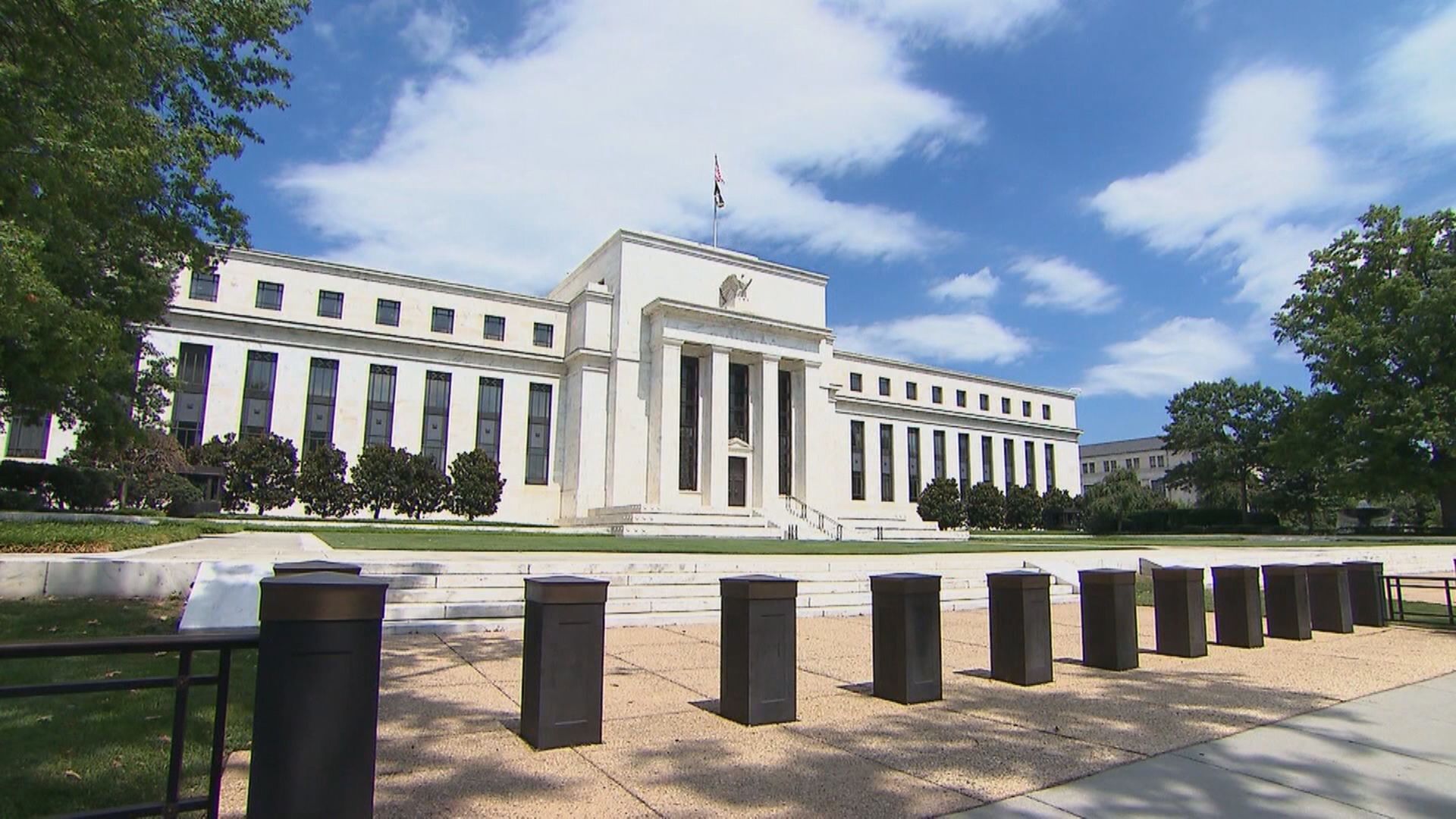
WASHINGTON, D.C. — Friday marked the end of Jerome Powell’s run as chair of the Federal Reserve. This week is the first week in eight years without Powell leading the Fed.
During his time leading the nation’s central bank, Powell guided the economy through the COVID-19 pandemic, high inflation and public pressure from President Donald Trump.
Powell is credited by many for helping steer the U.S. economy through crisis after crisis — from the COVID-19 pandemic, to banking turmoil, to the highest inflation in four decades. Powell’s Fed became one of the most powerful forces shaping the economy.
During the pandemic, the Fed slashed interest rates and rolled out emergency lending programs to help stabilize the economy and avoid a deep recession. But many of those same policies were later blamed for fueling inflation — leading to years of criticism from President Donald Trump, who first appointed Powell in 2017.
“Jerome Powell was Donald Trump’s pick back in the day, and when he did not show the loyalty that Donald Trump wanted in terms of lowering the rates when Donald Trump wanted them, that created a bunch of tension,” said Todd Belt.
Many economists also credit Powell with helping preserve the Fed’s independence.
“The Fed is supposed to be insulated from political interference,” said Belt. “And Donald Trump, of course, has wanted the Federal Reserve to lower rates to stimulate the economy.”
Last week, the Senate confirmed Kevin Warsh to serve as the next chair. Belt said time will soon tell whether Warsh will cave to the president’s pressure, or not.
“We’re going to find out because Warsh is going to be in a very difficult position right away because inflation has been ticking up, of course, because of the tariffs and the war in Iran,” said Belt.
The Consumer Price Index, or CPI, jumped 6% in April — its fastest pace since 2022. Experts say tariffs, high energy costs and economic fallout from the war with Iran are all major factors. Belt said the decision over whether or not to cut rates next month will be the first major test for the new chair.
“The way that the Fed traditionally fights inflation is by raising interest rates or not raising them at all. And that’s really going to put him at odds with Donald Trump and we’re going to see if he’s got the mettle to withstand the attacks they’ll probably get from Donald Trump,” said Belt.
In mid-June, the Fed will decide whether to maintain or increase interest rates to fight inflation — or lower them, as President Trump has requested, to boost the economy.
Even though Jerome Powell’s time as Fed chair ended Friday, Powell plans to remain on the central bank’s board through at least 2028.