WASHINGTON, D.C. – A Georgia county claims the Department of Justice’s subpoena aims to target and harass the President’s perceived political enemies. Documents claim the DOJ is trying to get personal information of thousands of 2020 election workers. An election integrity watchdog said the government’s request for information is alarming and could have a chilling effect across the nation.
In court documents filed this week, the Fulton County, Georgia Board of Registration and Elections is asking the courts to quash a grand jury subpoena, which requests the board to release the names, addresses, and contact information for 2020 election workers and volunteers.
“There’s absolutely no legal basis for this subpoena,” said David Becker, the Executive Director for the Center for Election Innovation and Research. “Fulton County is being very vigilant and protecting its election workers and poll workers and challenging the subpoena. I think they have a very good argument in federal court to restrict the government in this kind of fishing expedition.”
Becker said the subpoena marks an expanded effort by the Justice Department to investigate the 2020 election, in which the President still claims was stolen.
In the court documents in which Fulton County asks the courts to quash the subpoena, they said this subpoena is the latest effort to target and harass the president’s perceived political enemies, including election workers. If the DOJ’s request is granted, we asked Becker what the government could do with that information:
“I don’t think the government has made clear with what they would do,” responded Becker. “I don’t know if they’re intending to chill election officials but Fulton County believes it intends to chill election officials and to give them pause about serving their communities; maybe not just in Fulton County, maybe they can go after other places.”
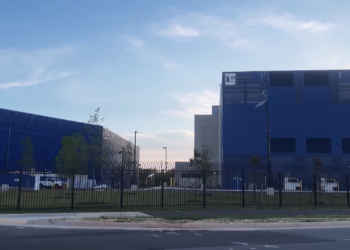
Earlier this year the FBI executed a search warrant at the Fulton County elections hub. The county is challenging the legality of the search warrant.
“I think the first warrant was clearly a mistake,” said Becker. “The magistrate should never have signed off on it; it was based on a deficient affidavit that was entirely based on debunked conspiracy theories.”
We reached out to the DOJ for comment but did not hear back.