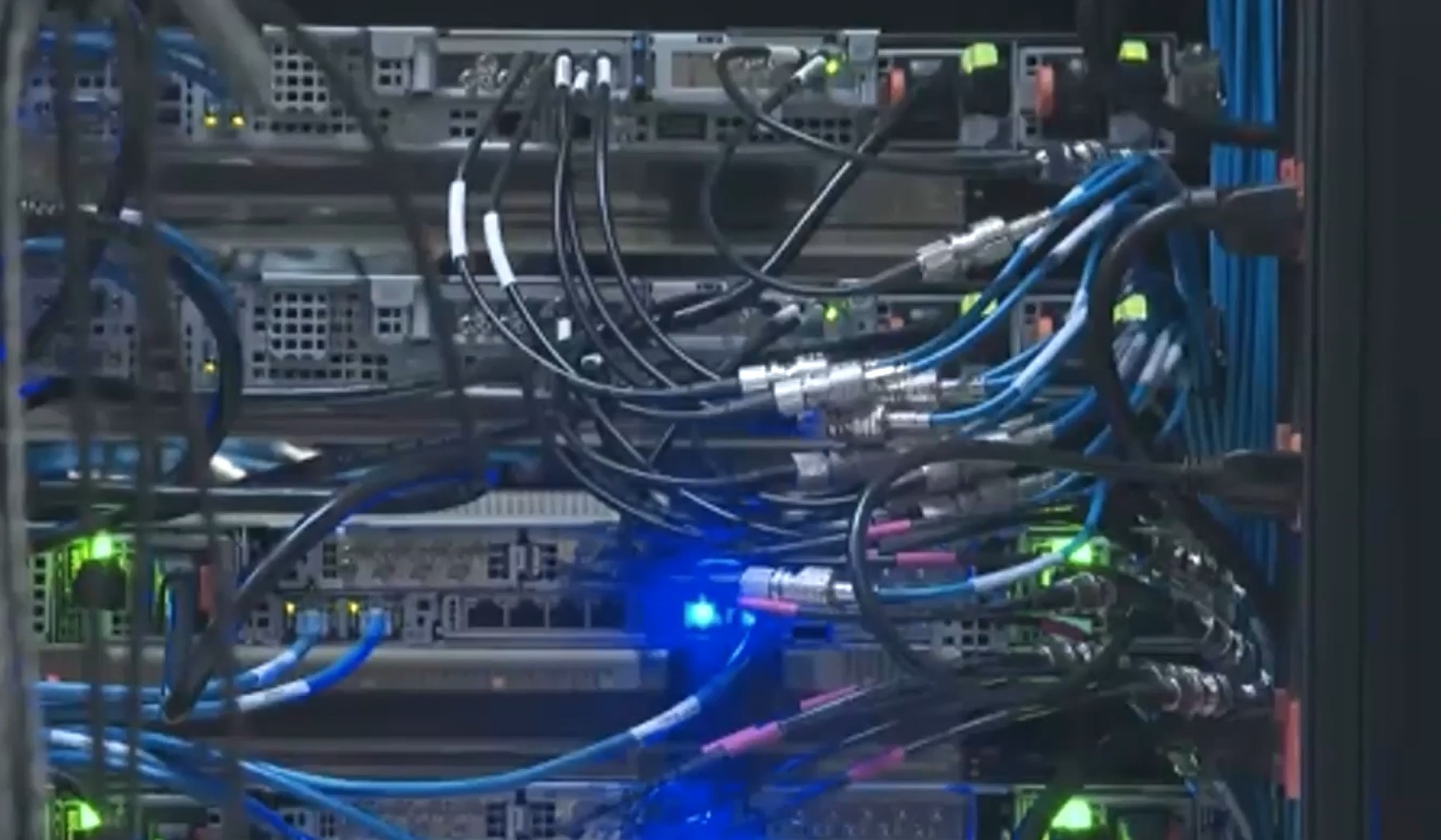
LANSING, Mich. (WZMQ) – Data centers have become a flashpoint in Michigan, with residents and state officials raising concerns about water use, energy demand, and environmental safety, particularly when facilities are located near the Great Lakes.
According to Dong Zhao, a professor of construction management and graduate program director at Michigan State University, most traditional data centers rely heavily on water-based cooling systems that release heat into the air. Closed-loop systems take a different approach by keeping cooling materials sealed within the facility.
“Because we know the majority of the water usage in data centers is for cooling, if we don’t use water as a clean approach, there is a dramatically reduce the use of water,” Zhao said.
Instead of water, closed-loop systems typically use chemicals such as glycol. Zhao said those materials cannot be released into the environment and must remain contained, which places strict requirements on engineering design and facility management.
“For example, the glycol is most frequently used now currently for the cooling, but other chemicals like glycol, they cannot be released, so there has to be stay within,” Zhao explained.
While the technology reduces strain on water resources, it comes at a cost. Zhao said closed-loop systems require significantly more electricity to manage heat internally, effectively shifting resource demand from water to energy.
“We reduce our demand from the water, but we highly increase our demand from extra energy,” he said. “They just switch the demand from water to extra electric.”
Zhao acknowledged that modern data centers use advanced monitoring systems and safeguards, but said leaks and failures, while unlikely, are still possible.
“Leaking is possible, honestly, we cannot guarantee 100 percent,” he said, adding that the overall risk remains low with proper engineering and management.
Looking to the future, Zhao said the most sustainable solution may be reusing the heat generated by data centers rather than treating it as waste. He pointed to examples in Europe and Canada, where excess heat is used to warm homes and support greenhouse agriculture.
“The best solution is to reuse them,” Zhao said. “Instead of just deal with the heat with extra cost.”
As Michigan weighs how to regulate and integrate data centers into local communities, engineers say closed-loop cooling and heat reuse could play a major role in reducing environmental impact, if managed carefully.