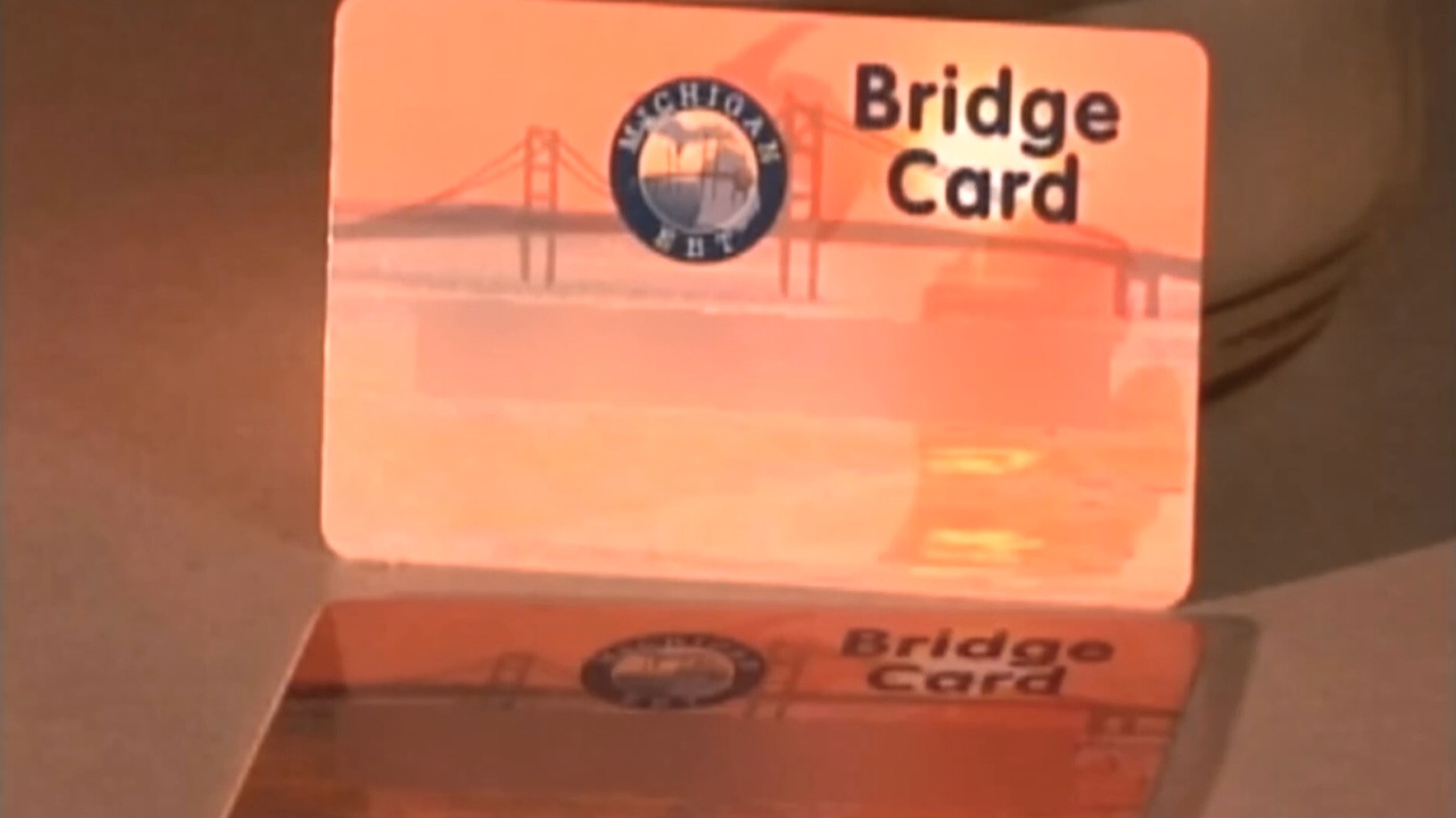
LANSING, Mich. (WZMQ) – Michigan is moving to replace its food assistance cards with chip-enabled technology, a change state lawmakers say will crack down on fraud and save taxpayers hundreds of millions of dollars a year.
The change comes from House Bill 4746, sponsored by state Rep. Jason Woolford, R-Howell, and signed into law as part of a package of policy bills tied to this year’s state budget.
Woolford, who chairs the House Oversight Subcommittee on State and Local Assistance Programs, said the bill follows more than a year of investigation into fraud within Michigan’s Bridge Card system, which distributes food assistance benefits.
“You can go online and buy a skimming device for around $20,” Woolford said. “They’re going and putting these at Walmarts and Meijers and all of these,” leaving families’ benefits stolen before they can use them.
Michigan’s current cards use magnetic swipe technology, which Woolford said is far more vulnerable to skimming than chip-based cards. He pointed to the broader shift the credit card industry made away from swipe cards more than a decade ago, after finding that it dramatically reduced fraud.
“This is going to save, at a minimum, we, you, us, the taxpayer, now nearly $400 million a year,” Woolford said.
Woolford said the legislation also addresses eligibility issues uncovered by his committee’s review of state benefit data. He said the committee found tens of thousands of recipients who did not appear to meet program requirements.
“As a matter of fact, in the state of Michigan, we have 175,000 20-year-old males in their 20s, no kids, no disability, not married, and yet they’re on benefits,” Woolford said.
Michigan is currently at risk of having to repay the federal government an estimated $300 million due to a high payment error rate within its benefits programs, according to Woolford. He said the new law, along with changes to eligibility verification included in this year’s budget boilerplate, is intended to help correct that error rate going forward.
The state has already begun distributing the new chip-enabled cards, funded through this year’s legislative appropriations. Woolford said all cards are required to be replaced by 2027, though he said he’d like to see the timeline moved up.
Woolford said the effort had bipartisan support by the time it passed.
“This isn’t a Republican, a Democrat, or an independent thing,” Woolford said. “This is something that is crossing the lines and the aisle to help all of our Michiganders.”