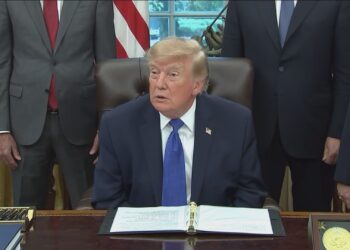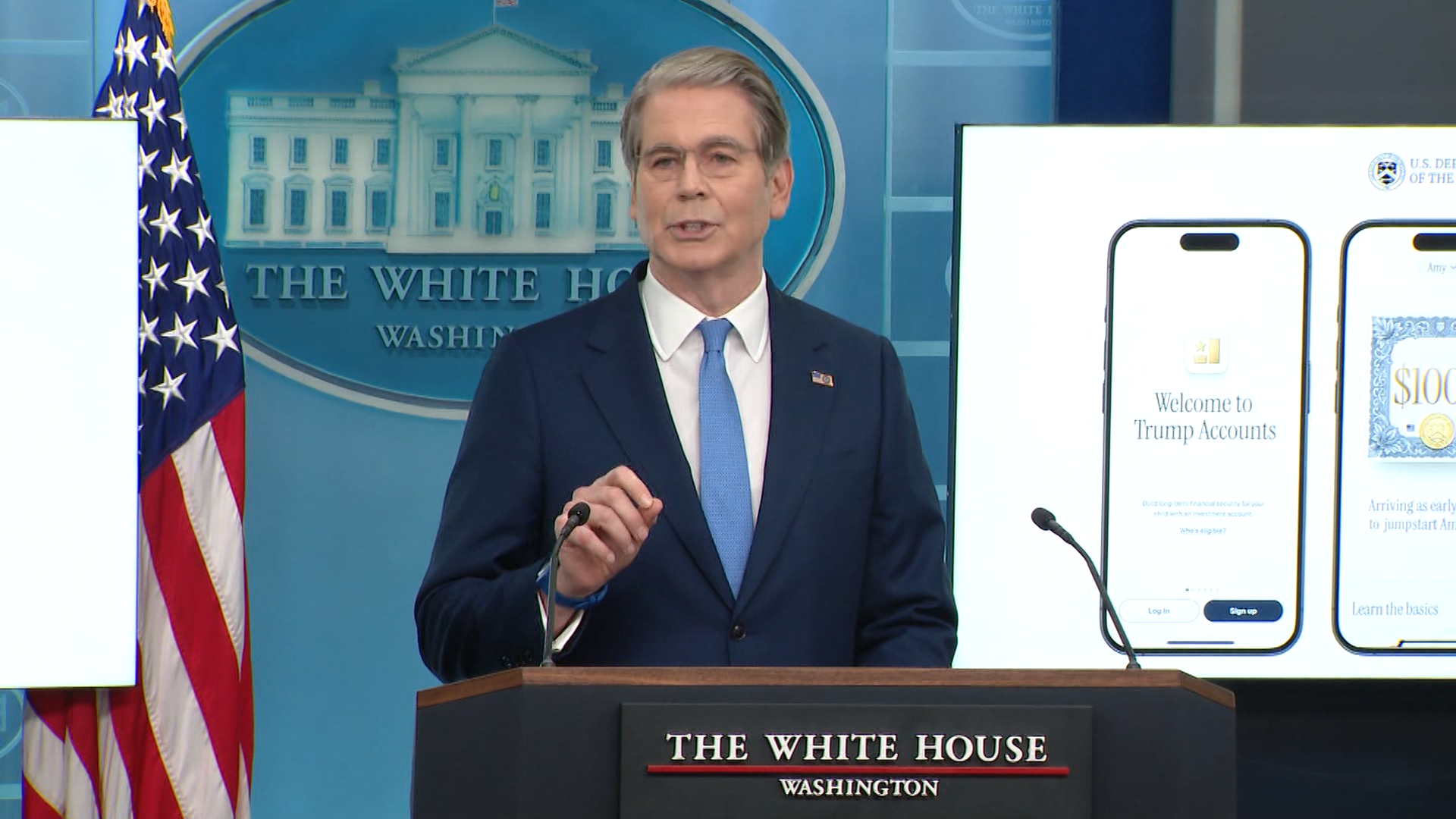
WASHINGTON, D.C. — Today at the White House, it was Treasury Secretary Scott Bessent’s turn to face questions from the press.
White House Press Secretary Karoline Leavitt is out on maternity leave, and high-profile officials from the administration have taken turns filling in during Leavitt’s absence.
Bessent’s briefing today comes as recent economic data shows Americans are feeling more pressure from rising costs. The conflict with Iran is playing a major role in that pressure.
New numbers from the Commerce Department show inflation ticked higher in April, driven in large part by a spike in gas prices linked to disruption at the Strait of Hormuz.
The Fed’s preferred inflation measure rose to 3.8%, while consumer spending slowed after a strong March. Even though Americans are still spending, many households are digging deeper into their savings to keep up with higher costs. The personal savings rate fell to its lowest level in nearly four years.
“A lower savings rate can mean one of two things, the kind of the doom review that you took or that people have more confidence,” Bessent said, answering a reporter’s question. “Or it could be something else, for instance, stock market gains or 401K gains might not show up in savings. So they’re looking at that and think that they can draw down their household savings.”
Bessent was also pressed about the economy, the midterm elections and Iran — including concerns over oil shipments through the Strait of Hormuz. The Treasury secretary said talks appear to be moving in the right direction and argued the economy remains strong despite the uncertainty.
“I believe that both things can be true — that we can do well in the midterms, that we perhaps have the makings of a deal here. And look, the economy, it is challenging now. But unemployment is still low. Tax refunds were high and consumer spending is still quite high,” said Bessent. “In my private business over the years, I always looked at what were consumers doing, not what they were saying. And I’m in constant contact with the banks and every income quintile is still doing well.”
Bessent also predicted what he called “substantial disinflation” ahead while praising the Fed’s new leadership and saying he believes the U.S. economy can push through the current volatility.
“I believe that we will get through this challenging period,” said Bessent. “I’ve said publicly that I think we’ll be back to substantial disinflation. But most importantly, I think we’ve got the Warsh Fed now… and I believe that he will do the right thing to balance inflation and growth.”