WASHINGTON, D.C. — A fast-moving legal and political fight over congressional maps in the South continues tonight.
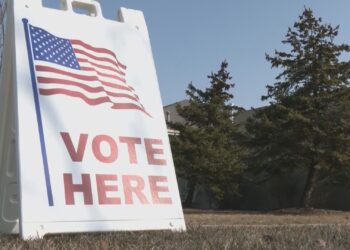
Redistricting action in Florida, Louisiana — and potentially in other states, like Tennessee — is creating confusion about what it all means for primary elections, just as voters in other key states head to the polls Tuesday.
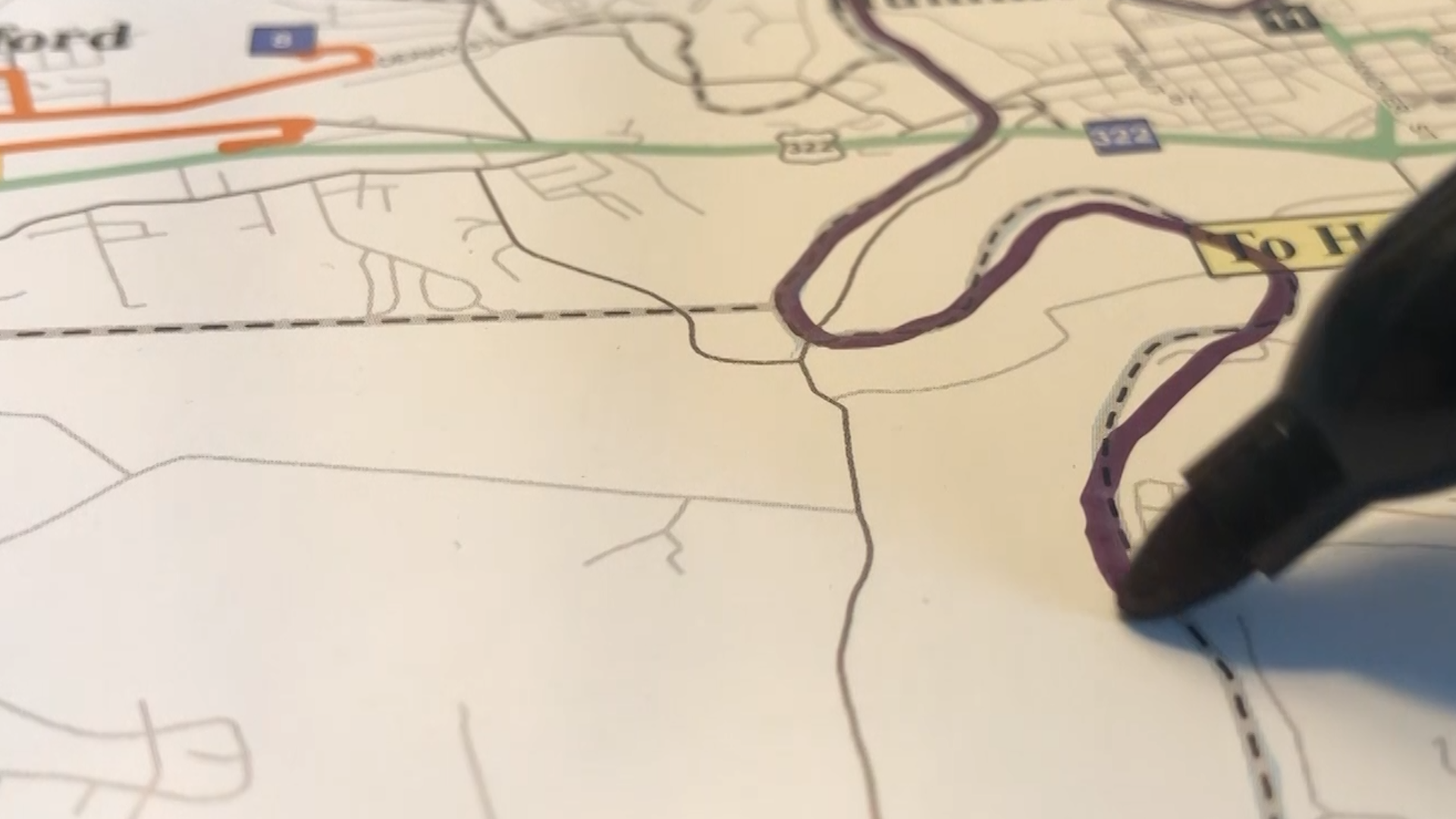
On Monday, Florida Gov. Ron DeSantis (R) signed off on a new congressional map that could flip as many as four Democratic-held seats in areas like Orlando, Tampa and Southern Florida.
Hours before Florida lawmakers approved those lines, the Supreme Court of the United States last Wednesday issued a decision narrowing how the Voting Rights Act can be used to challenge redistricting.
“It makes it much more difficult to prove that there is any sort of intentional discrimination in the drawing of districts,” said Todd Belt, professor and director of the Political Management Master’s Program at George Washington University.
Belt says the SCOTUS ruling is now triggering a ripple effect across multiple Southern states.
“We’re getting another round of redistricting going on,” he said.
Voting rights groups in Florida and across the South are gearing up for legal challenges right in the heat of primary election season.
“All the Republicans in the South have been waiting on was for this decision. And what we have now, obviously, is an execution of what they wanted to do all along,” said Rep. Bennie Thompson, D-Miss.
The SCOTUS decision, which struck down Louisiana’s congressional map, calling it an unconstitutional racial gerrymander, was allowed to take effect almost immediately instead of waiting the typical 30 days.
Now, Louisiana is scrambling to redraw its map, even after some overseas and military ballots went out for May 16 primaries. The primaries are now on hold.
Donald Trump last year urged Texas to pursue mid-decade redistricting. A similar call to action prompted a redistricting special session to get underway in Tennessee on Tuesday. Mississippi and Alabama are also moving to join the arms race following the SCOTUS decision.
According to Belt, Republicans are currently projected a net gain of three seats, with four to five more possible in Southern red states- if Democrats don’t respond to the latest efforts in the South.
“If these Republican states start doing this, you might see some Democratic states go back to the drawing board as well,” Belt said. “Right now, we’re at about 13 new Republican seats and 10 Democratic new seats. But you have to be careful in how you think about this, because those four new seats that were just created this week in Florida are drawn really, really closely. And in a close election, or if there’s low turnout, this might work against the Republicans.”
In November, California voters approved a ballot measure to bypass the state’s independent redistricting commission. That means Democrats in California can act again to offset Republican pickups if they choose to.
On Tuesday, voters in Indiana and Ohio are casting ballots in primary elections that Belt says could offer an early read on how Americans are feeling about the economy and the current administration.
“We’re going to see what’s going on within the parties at the state level. I think that’s really important because both parties are having a little bit of a crisis of identification as to where they are,” said Belt.