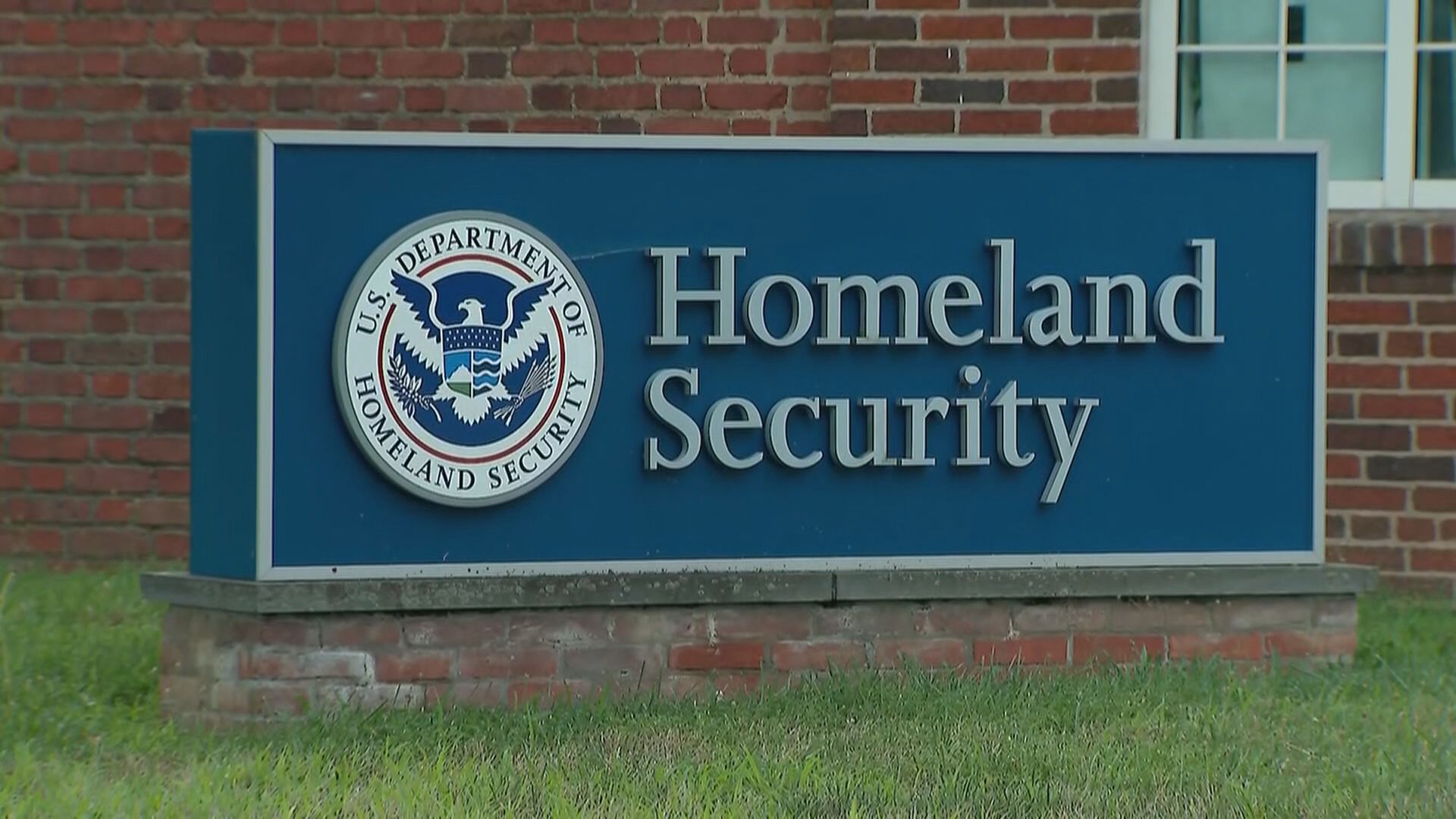
WASHINGTON, D.C. — After a two-week recess, Congress is returning to Washington – still – deadlocked over how to fund the Department of Homeland Security.
Internal differences among Republicans appear to have been sorted, at least in public, as the party that controls Washington prepares to move forward on a plan to end the nearly 60-day partial shutdown.
Senate Republican leaders said Tuesday they’re confident with their latest approach: a budget resolution followed up with a reconciliation bill.
It’s a two-track plan, according to Senate Majority Leader John Thune, R-S.D., and a plan that could see a vote as early as next week.
The first track: a budget resolution to fund most of the Department of Homeland Security, except for U.S. Immigration and Customs Enforcement (ICE) and U.S. Border Patrol. The two agencies have come under scrutiny and faced heavy criticism from Democrats following operations in Minneapolis, where two U.S. citizens were killed by federal agents.
The second track: a separate, multi-year funding plan for both ICE and Border Patrol through a process known as reconciliation. The process would bypass the Democratic filibuster, allowing the bill to pass with a simple majority.
“All of the things that the Democrats made this about, which was supposed to be about reforms, reforms to the way that ICE and CBP operate, they got none of that, zero,” said Majority Leader Thune. “And now we’re going to fund those agencies for three years into the future. The only thing the Democrats got out of this was they now own the issue of open borders and defund law enforcement.”
“We must fund DHS and Border Patrol with the safeguards,” said Senate Minority Leader Chuck Schumer, D-N.Y. “The chaos we’re seeing in Iran — we’re seeing in cities across America, because you have a Border Patrol, because you have an ICE, that is just so out of control. We’re not standing for that.”
Minority Leader Schumer said Tuesday that Democrats demand “commonsense” reforms for immigration enforcement, and that his party will fight any measure that comes up short.
“These are simple. These are common sense. They are what every police department uses. And when you ask the American people, they’re on our side,” said Schumer. “You can be sure, in a vote-a-rama, we’re going to hold their feet to the fire on DHS, on the war, and on so many other issues.”
Leading up to the spring recess, House and Senate Republicans were at odds-even clashing behind closed doors- over how to fund DHS, ICE and CBP — and whether to tack on unrelated legislation, like the SAVE America Act.
Over the past two weeks, many DHS employees have been receiving pay because of executive actions by President Trump.
“All these agencies are being funded because of action that the president took. But that’s not something that’s sustainable over the long term,” said Thune.
Republican leaders say they’re united behind President Trump’s request to pass the bill by June 1. But passing the two-track plan through the Senate is only half the battle. A narrowly divided House, with conflicting views and opinions — even among Republicans — could be the largest hurdle.
“My hope would be that if we can execute on getting that done here in the Senate, the House would be able to follow through,” Thune told reporters Tuesday.