LANSING, Mich. (WZMQ) – Michigan Department of Natural Resources officials warned lawmakers this week that without new funding, the state could face cuts to fish stocking, habitat management, and outdoor recreation services.
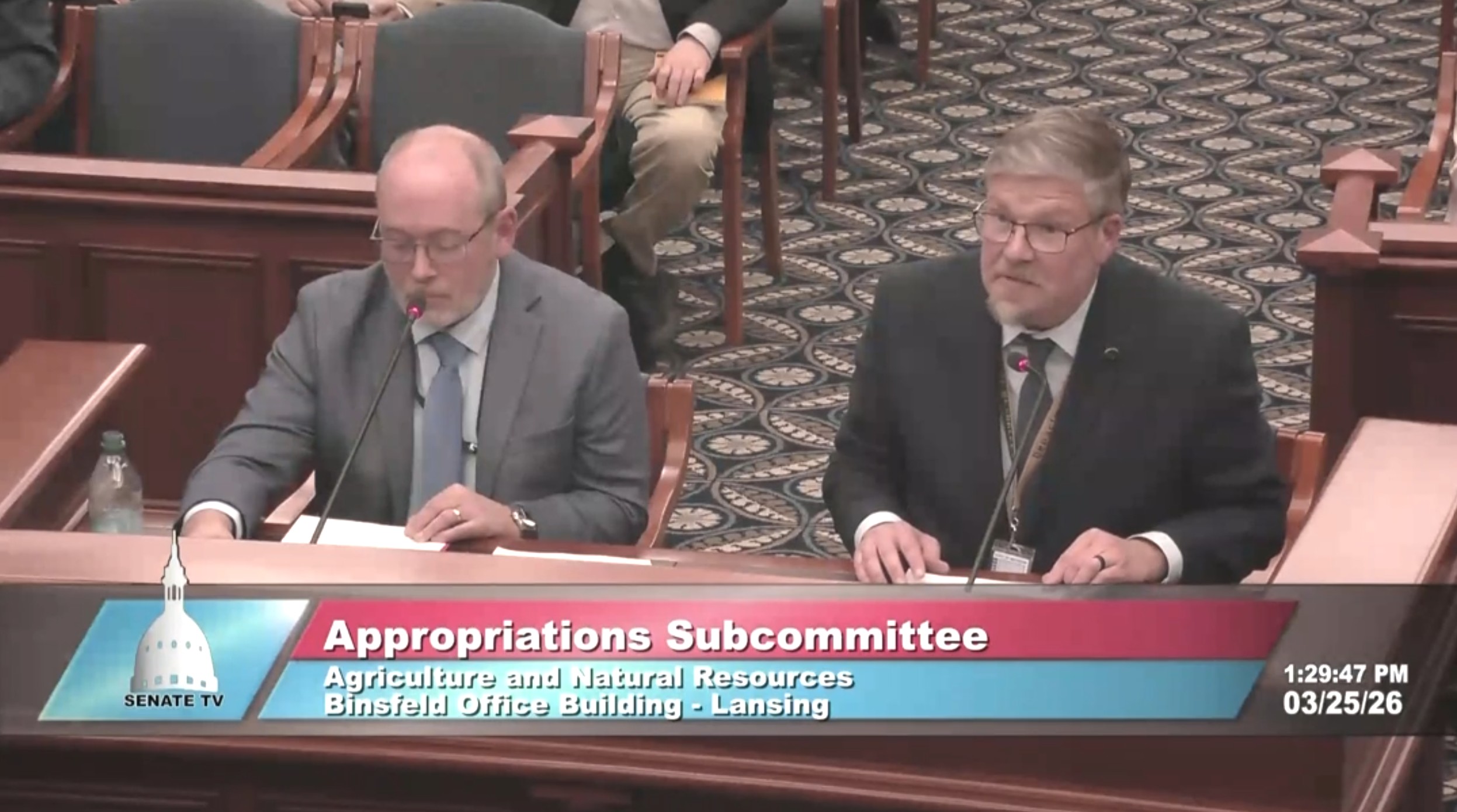
During a Senate Appropriations subcommittee hearing, DNR leaders outlined mounting financial challenges driven by inflation, declining hunting and fishing participation, and aging infrastructure.
The department’s current funding model relies heavily on user fees, including hunting and fishing licenses, which have not been increased since 2014.
“You pay for what you care about,” DNR Director Scott Bowden said. “Our current system is pay-to-play.”
Officials said costs have risen significantly, including a 71% increase in fish food and a 34% rise in salary expenses, while revenue has remained largely flat. The result has been staffing reductions, delayed maintenance, and a backlog approaching $1 billion.
“We are a division that’s being held together by duct tape and a dream,” Keith Kintigh, Assistant Chief of Wildlife Division, said.
The governor’s proposed budget includes increases to hunting and fishing license fees and watercraft registration costs. Supporters argue the changes are necessary to stabilize funding and maintain services.
But the proposals have exposed a deeper divide, particularly among some Republican lawmakers representing rural areas.
Sen. Ed McBroom (R-Vulcan) has voted against fee increases in the past. He argued the department needs stronger oversight and reforms before receiving additional funding.
While he said he supports the idea of periodic fee increases, he argued they should come alongside structural changes.
DNR officials, however, warned that failing to act could have immediate consequences.
Fisheries leaders said fish stocking could be reduced by as much as 25%, while other services, including habitat management and public response efforts, could also be scaled back.
“Without changes, we are losing ground, and in danger of literally losing ground,” Kintigh said.
The legislation to increase fees has passed the Senate but faces uncertainty in the House, where leadership has signaled opposition.
The outcome could determine not only the department’s budget, but also how Michigan balances conservation funding with public trust in the agency.