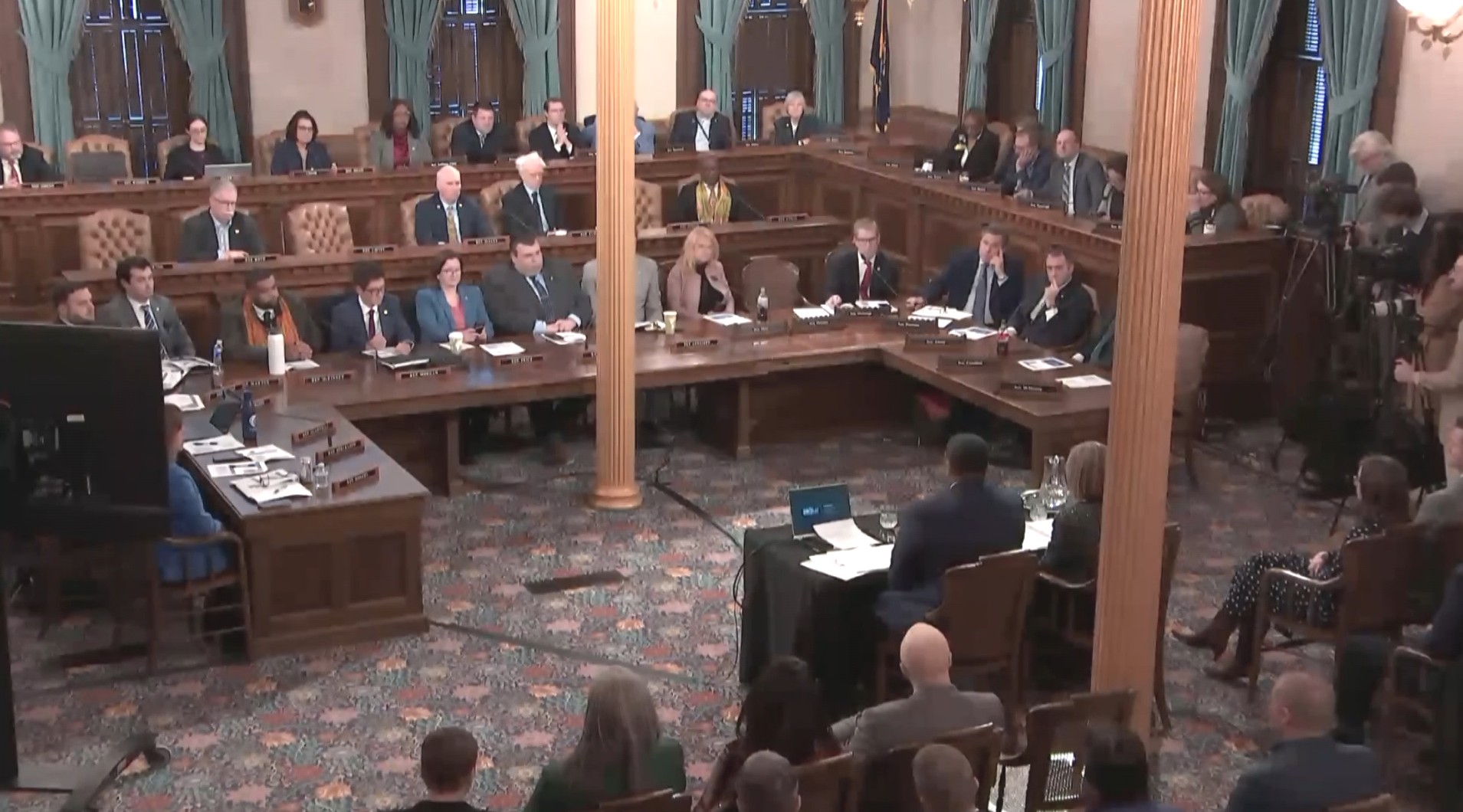
LANSING, Mich. (WZMQ) – Michigan lawmakers heard the first state budget recommendation Wednesday, outlining what officials say could be a challenging fiscal year shaped by federal policy changes and declining general fund revenue.
State Budget Director Jenn Flood told the House and Senate Appropriations committees that federal changes to health and food assistance programs are placing new financial pressure on the state.
“This budget recommendation does reflect a withdrawal from the budget stabilization fund,” Flood said. “We recommend withdrawing $700 million from the budget stabilization fund to help address some of these pressures and soften the blow of these federal changes.”
The budget office estimates new federal Medicaid requirements could significantly affect coverage across the state.
“We are projecting 200,000 Michiganders could lose access to Medicaid due to the new federal requirements, and that’s why we’re dialed in and focused on doing what we can to make sure people maintain access to health care,” Flood said.
Much of the discussion centered on how Michigan is adjusting to the loss of temporary federal pandemic aid. Some lawmakers questioned whether the state relied too heavily on federal dollars. Flood defended the administration’s spending strategy, saying the funds were used for limited-term investments.
“Michigan took a very strategic approach where we invested the ARPA dollars that we had discretion over in one-time spending only,” Flood said.
The budget proposal maintains several high-profile education and workforce programs from Gov. Gretchen Whitmer’s administration. That includes universal pre-K expansion and scholarship programs aimed at reducing higher education costs.
“We have this year 51,000 students enrolled in the Great Start Readiness Program,” Flood said.
The proposal also invests in workforce development and senior services, including funding aimed at helping older adults remain in their homes. Kyle Guerrant, Acting Director of the Department of Technology Management and Budget, said the budget includes property tax breaks for older Michiganders making less than $71,000 a year, and pay increases for home care workers to address staffing shortages.
“In this year’s budget, we are including $3.40 uplift on top of the minimum wage, which will get the direct care workers to just over $18 an hour,” Flood said.
Lawmakers from both parties raised concerns about rising health care costs, long-term Medicaid sustainability, and the loss of federal relief funding. Others highlighted continued investments in transportation and infrastructure, including long-term road funding and rural transportation assistance.
Negotiations over the final budget are expected to continue for several months as lawmakers work to balance new cost pressures with ongoing spending priorities. Typically, both the House and Senate pass their own versions of the budget by the end of May, and spend the month of June in negotiations. Michigan’s next fiscal year begins Oct. 1, and lawmakers face a statutory deadline of July 1 to finalize the spending plan.