LANSING, Mich. (WZMQ) – As Michigan’s 2026 gubernatorial race begins to crystallize, the Michigan Democratic Party is taking direct aim at former Detroit Mayor Mike Duggan, who is running as an independent, accusing him of aligning himself with Republican donors and failing to stand up to President Donald Trump on issues ranging from trade to health care.
At a press conference this week, Michigan Democratic Party Chair Curtis Hertel said Duggan “can’t be trusted to fight for Michiganders,” pointing to reporting that Duggan declined to criticize Trump during recent interviews. Hertel accused Duggan of echoing conservative rhetoric and remaining silent as Trump policies drive up costs for Michigan families.
“When you put all of this together, it’s a damning indictment of Duggan’s political makeover,” Hertel said. “This campaign is nothing but an expensive and self-serving ego trip… He’s proven he can’t be trusted to fight for Michiganders or stand up to protect our state from the worst of the Trump administration.”
Democratic lawmakers echoed those concerns, focusing heavily on trade policy and health care. Rep. Joey Andrews (D-St. Johns) criticized Duggan for declining to publicly oppose Trump’s tariffs on Canada, calling the position out of step with Michigan’s economy.
“Trump’s bullying and trade war with Canada is a problem. It’s hurting our economy, and Duggan refuses to say anything to defend the state of Michigan,” Andrews said, citing the auto industry’s deep integration with Canadian suppliers.
Rep. Carrie Rheingans focused her remarks on health care, accusing Duggan of downplaying Medicaid cuts and remaining silent on the federal “one big, beautiful bill” that failed to extend Affordable Care Act tax credits.
“When asked about the Medicaid cuts, he said they ‘aren’t as bad as they look,’” Rheingans said. “Silence and non-answers represent complicity.”
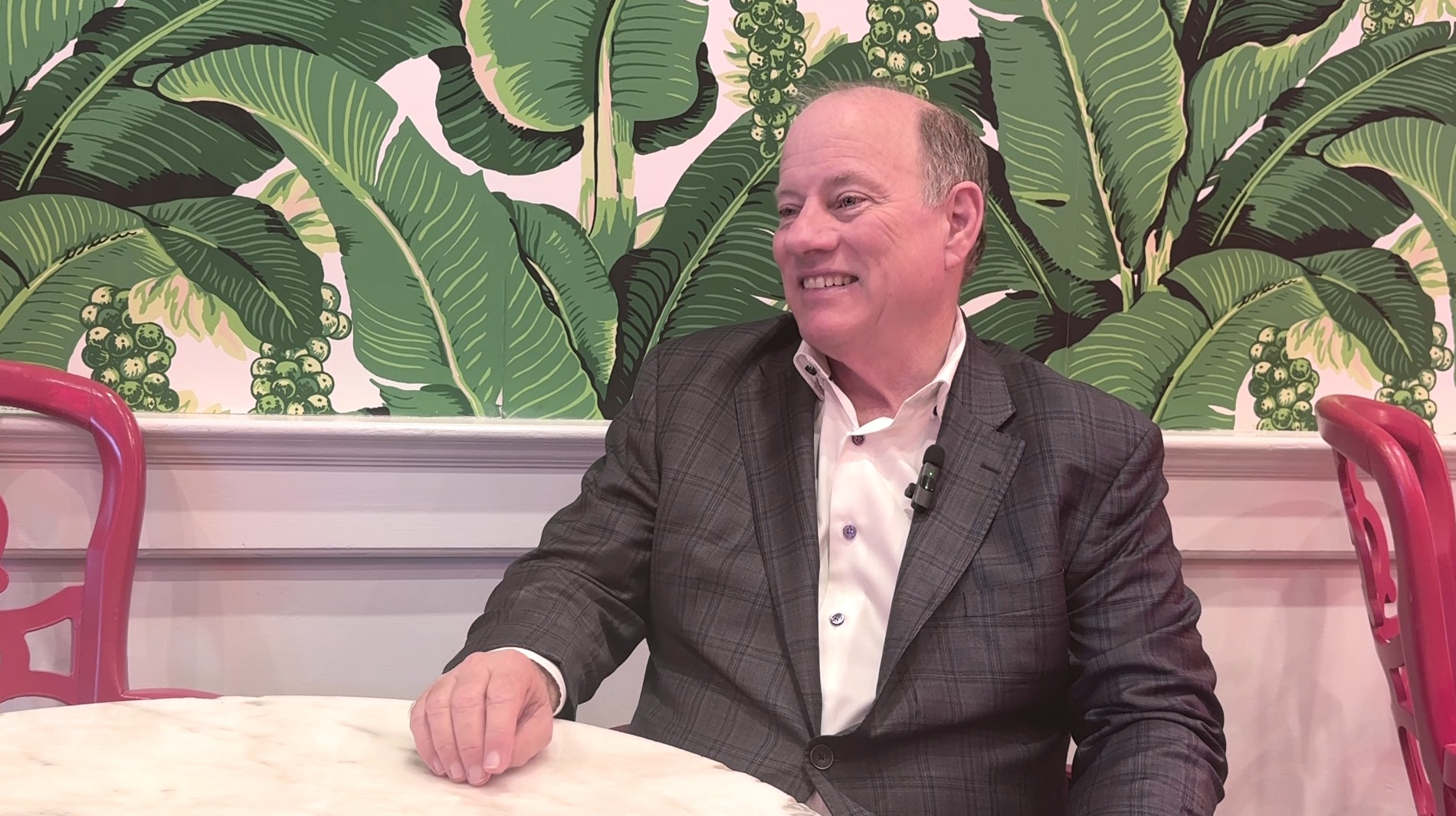
Duggan, however, pushed back strongly, disputing the claim that he has avoided criticizing Trump’s policies when they affect Michigan jobs.
“I’ve criticized the Canadian tariffs because they have hurt the auto plants in Detroit,” Duggan said. “When you put tariffs on Canadian auto parts, you’re putting tariffs on Michigan cars.”
Duggan said his reluctance to engage in partisan attacks is deliberate, arguing that Michigan’s back-and-forth political control has produced inconsistent policy and stalled long-term progress.
“The reality is this: we have a 50-50 state that swings back and forth every two years,” Duggan said. “Michigan is never going to get out of this permanent U-turn cycle if we don’t find a way to get Republicans and Democrats to establish a Michigan path.”
He also rejected Democratic claims that he is aligned with Republicans, noting his record as mayor of Detroit and support from organized labor.
“I now have more union endorsements than all the Democratic candidates put together,” Duggan said, adding that his campaign includes both Republicans and Democrats “who are fed up with politics as usual.”
While Democrats argue Duggan’s independent bid could siphon votes from their eventual nominee, Duggan said his campaign is aimed at voters dissatisfied with both parties and focused on measurable outcomes rather than party loyalty.
“What I’m finding is people want to know what you’ve done,” Duggan said. “I balanced budgets, cut taxes, and delivered results. That’s what I’m running on.”
Democrats with their hats in the ring include Secretary of State Jocelyn Benson, Lieutenant Governor Garlin Gilchrist, Genesee County Sheriff Chris Swanson, and Marni Sawicki.
The Republican field for Michigan governor includes former Attorney General Mike Cox; U.S. Rep. John James; former House Speaker Tom Leonard; state Senate Minority Leader Aric Nesbitt; pastor and former gubernatorial candidate Ralph Rebandt; political organizer Karla Wagner; truck driver and former congressional candidate Anthony Hudson; and William Null, a construction manager identified by prosecutors as an alleged conspirator in the 2020 plot to kidnap Gov. Gretchen Whitmer.
With more than a year to go before the general election, the exchange signals an early and increasingly sharp fight over Duggan’s role in the race, and whether Michigan voters are willing to break from the state’s traditional two-party structure as 2026 approaches.