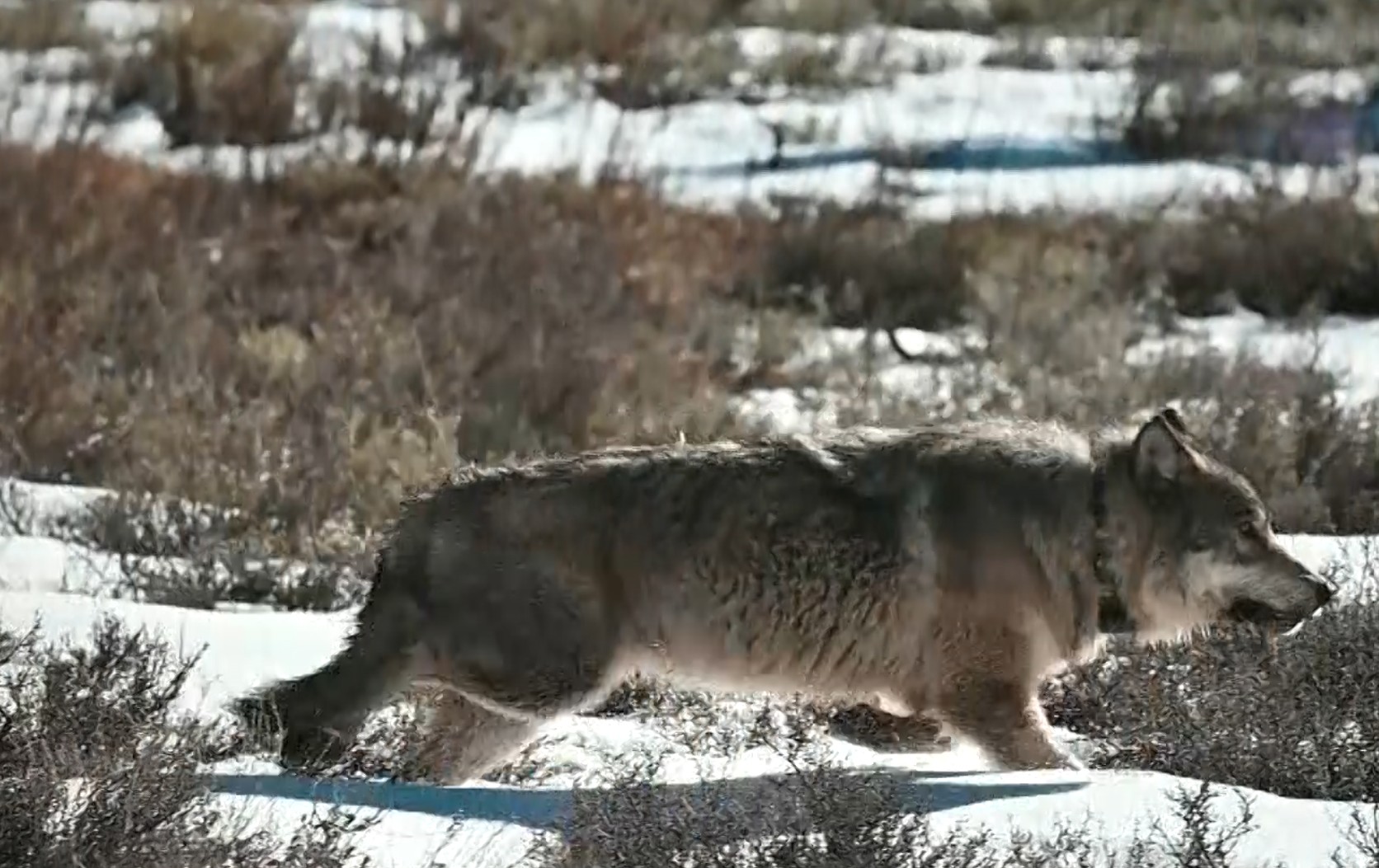
LANSING, Mich.(WZMQ) – State Representative Parker Fairbairn says a recent vote in the U.S. House of Representatives could significantly change how Michigan manages its gray wolf population. The legislation would remove wolves from protections under the Endangered Species Act and allow states to determine their own management strategies.
Fairbairn (R–Harbor Springs) led a state House resolution earlier this year urging Congress to take that step. He says concerns about wolves have become increasingly common among his constituents, particularly those who live or hunt in rural areas.
“I think the biggest thing and what I’ve heard from mostly constituents is the impact it’s had on farm animals and pet animals,” Fairbairn said, adding that bear hunters have seen dogs attacked and killed by wolves at close range.
Fairbairn argues that wolves have grown more aggressive as their numbers increase and food sources decline. He says the presence of an apex predator has had ripple effects throughout the ecosystem.
“When you introduce an apex predator like that into an ecosystem, there’s a lot of detriment that happens, not just deer, but rabbit and a lot of smaller game too,” he said.
The Michigan Department of Natural Resources estimates there are about 780 wolves in the Upper Peninsula, but Fairbairn believes that number is low. “I think that number is underestimated,” he said. “I think there’s probably double that number of wolves in the Upper Peninsula.”
Fairbairn says delisting would not mean eliminating wolves, but implementing what he calls a responsible, state-led management plan. The legislation now moves to the U.S. Senate, where he says he is hopeful it will advance as part of a broader effort to return decision-making authority to the states.