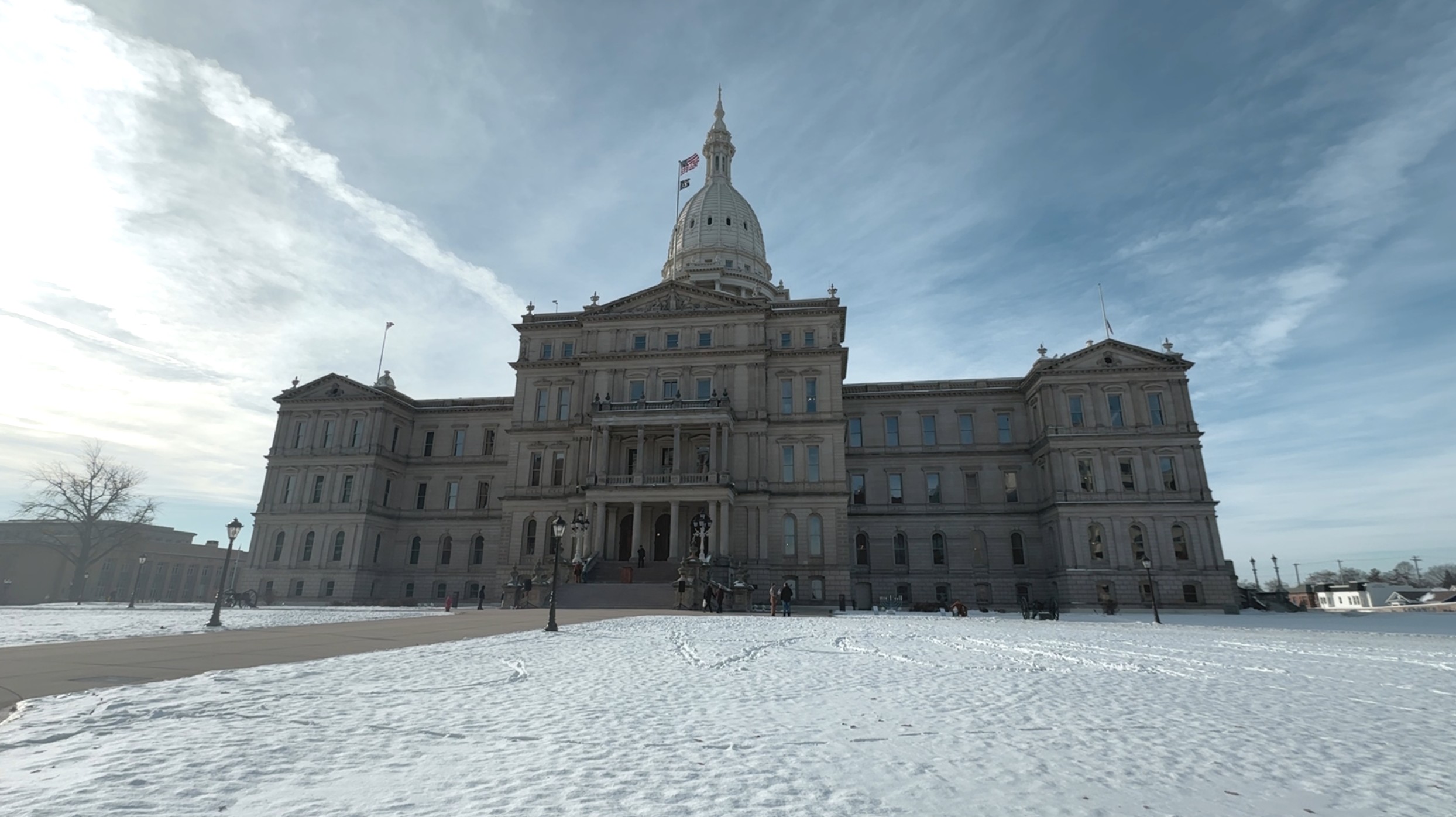
LANSING, Mich. (WZMQ) – Michigan’s Legislature wrapped up its final session of 2025 this week, capping off a frenetic push that saw lawmakers vote on 76 bills across both chambers as leaders worked to meet year-end deadlines.
Among the measures sent to the governor was a bipartisan package expanding and clarifying farmland and open space preservation tax credits. The bills address compliance issues that surfaced after state agencies reinterpreted existing law, leaving some farmers facing unexpected tax bills tied to long-standing conservation easements.
Sen. Sue Shink (D-Northfield Township) said the package was driven directly by concerns raised by farmers across the state.
“Many farmers have put conservation easements on their land, and these are agreements, basically, that they won’t develop their land,” Shink said. “And recently, Treasury and MDARD had reinterpreted that law and sent some farmers with conservation easements a bill for back taxes that they didn’t expect and weren’t ready to pay.”
Shink said the legislation restores trust in agreements farmers believed were already settled.
“These bills fix that problem so that farmers aren’t paying taxes that they had never expected and had believed the state had agreed not to charge them,” she said.
Despite progress on several fronts, Upper Peninsula lawmakers ended the year without action on bills aimed at exempting the region’s 13 RICE natural gas generators from clean energy standards adopted in 2023. Supporters argued the measures were critical to protecting mining operations and shielding ratepayers from steep cost increases, but the bills did not receive a final vote before adjournment.
Sen. Ed McBroom, R-Waucedah Township, described the session as marked by intense partisanship but said the final week showed lawmakers could still find common ground.
“Partisanship and distrust are rampant everywhere, and it has played out here in a grand stage this year,” McBroom said. “We have gotten some very good and important things done, and I believe we’ve been able to stop some very bad things, but overall, productivity is way below what I believe it should be.”
House Speaker Matt Hall, R-Richland Township, said negotiated bills allowed both chambers to move items with time-sensitive consequences before the calendar flipped.
“We do have an agreement with the Senate to move a number of bills this week… 25 bills, so you’ll see some of those hopefully move.” Hall said. “It’s my expectation that the Senate will follow through on this agreement. So, assuming everything is what the Democrats have agreed to, you’ll see us move today and move some of those Senate bills. You’ll see them move some of the House Republican bills, and I think we could end this year on a high note.”
With final gavel strikes echoing through the Capitol, lawmakers now turn toward 2026, carrying with them unfinished policy fights and renewed pressure to resolve issues left on the table.