LANSING, Mich. (WZMQ) – Schools across Northern Michigan and the Upper Peninsula could get relief from an unusually harsh winter under a proposal from state Rep. Parker Fairbairn.
The Harbor Springs Republican has introduced a bill to allow certain districts to count up to four additional snow days as instructional time following a mid-March storm that forced widespread closures.
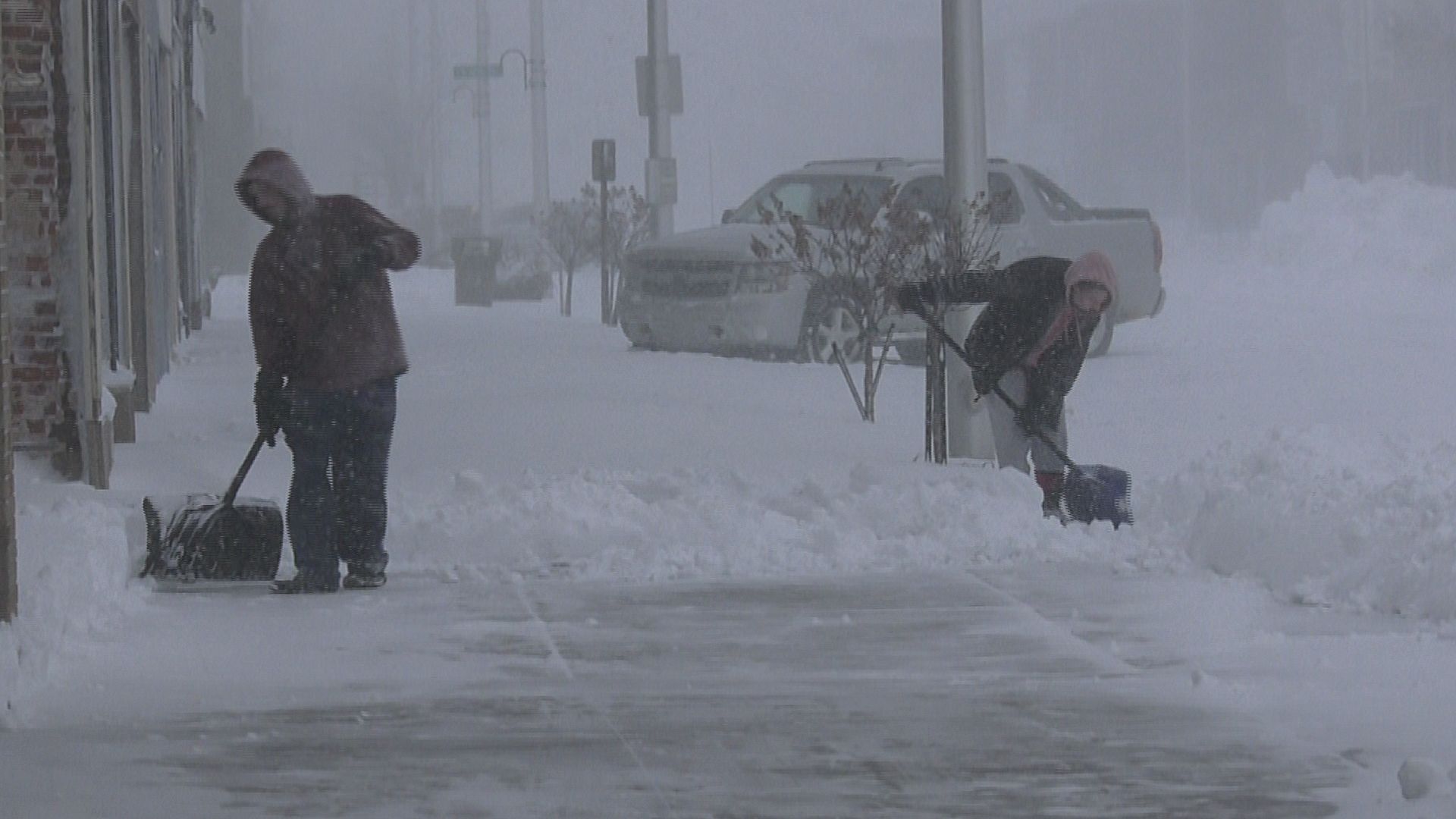
The storm, which hit between March 12 and 17, brought record snowfall and ice accumulation across large portions of the state. In some areas, multiple feet of snow fell in just a few days, making roads impassable and shutting down schools for extended periods.
Under current state law, schools can count up to six canceled days as instructional time without penalty. Districts that exceed that limit must either extend the school year or risk losing state funding for failing to meet the required 180 days and 1,098 instructional hours.
Fairbairn said some districts exhausted their allotted snow days in a single week.
“You saw a record amount of snowfall in many areas of the Upper Peninsula and Lower Peninsula,” Fairbairn said. “And we had students who were not in school for a week from Monday to Friday.”
The legislation would apply to districts in dozens of counties across Northern Michigan and the Upper Peninsula, as well as any area covered by a gubernatorial state of emergency during the 2025–2026 school year. To qualify, districts must have missed school specifically on March 12, 13, 16, or 17 due to conditions beyond their control.
The bill would not automatically waive the days. Instead, it gives districts the option to count up to four additional closures as instructional time, providing flexibility without requiring changes to academic calendars.
Fairbairn described the approach as targeted relief tied directly to the severity of this year’s storm.
“It really focuses on the incident that we had in northern Michigan, the UP, where we had two to three feet of snow in about two to three days,” he said.
Supporters say the change could help schools avoid extending classes into the summer, which can conflict with building maintenance schedules, construction projects, and students’ summer jobs.
The bill is currently under consideration in the House Committee on Government Operations. Its timeline remains uncertain as lawmakers continue broader budget negotiations.