WASHINGTON, D.C. — Pakistan is stepping into the middle of a fragile standoff between the United States and Iran — with high-stakes negotiations set for this weekend in Islamabad.
The fragile ceasefire agreement, reached Tuesday evening, appears to be on very thin ice. The U.S. and Iran have very different demands ahead of the meetings. However, the ceasefire is largely holding after 48-hours. Pakistan is positioning itself as the go-between — hosting U.S. and Iran this weekend — after helping broker the shaky two-week pause in attacks.
“Whether Iran won or the U.S. won in any strategic sense depends entirely on what’s going to happen at the end of this week in Islamabad,” said Aarathi Krishnan, founder & CEO of Raksha Intelligence Futures.
But even before negotiators arrive in Islamabad — Israel hit Hezbollah targets in Lebanon. Iran called the attacks a “grave violation” of Tuesday’s deal, and one that will be met with “strong responses.”
It comes as the Strait of Hormuz remains largely shut down, with few ships passing through. Shipowners still avoiding the strait and vessel insurers remain hesitant to take on the risk. Some tankers are reportedly facing new transit fees and uncertainty over which currency to pay for the toll.
“Iran has said it’s charging roughly a dollar per barrel of oil, up to $2 million for a large tanker to move through the strait. That’s one of the points,” said Krishnan.
Authority over the strait itself and the tolls are just two of many issues that both parties appear to be at odds over, according to Krishnan, a geopolitical strategist.
Iran is also demanding the acceptance of their uranium enrichment rights, full withdrawal of U.S. military forces from the Middle East, and even financial compensation for the war—among other sticking points.
Although not fully disclosed, the U.S. proposal requires that Iran forgoes nuclear weapons and surrenders highly enriched uranium—among other contrasting points.
“Both parties are coming to the discussion with proposals that are wildly different from each other,” said Krishnan.
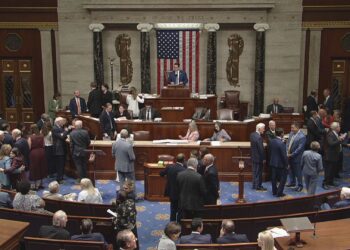
Meanwhile, as lawmakers prepare to return to Washington from the spring recess, Senate Democrats say they’ll vote — again — on a war powers resolution next week, seeking to limit the president’s use of military force without congressional approval.
“Republicans will once again have the opportunity to join Democrats and end this reckless war of choice,” said Senate Minority Leader Chuck Schumer, D-N.Y.
Geopolitical strategists, investors and global markets are watching closely as negotiators head to Islamabad with drastically different demands.
“While the ceasefire- as fragile as it is, and already breaking at it is- might be welcome news at the moment, we should not be expecting prices to snap back to where they were before the war,” said Krishnan.