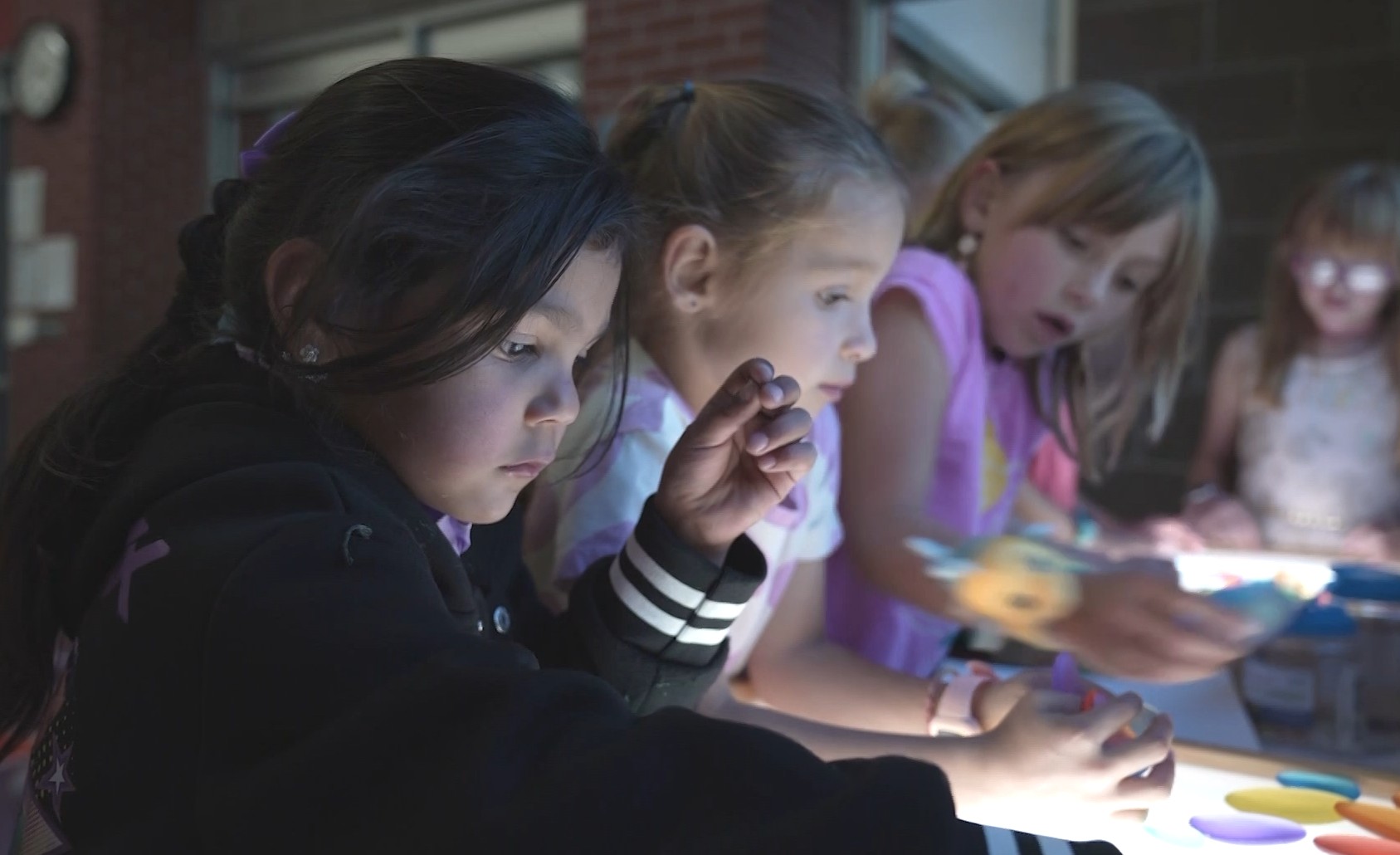
LANSING, Mich. (WZMQ) – Michigan State University researchers are evaluating the effectiveness of state-funded after-school and summer programs as Michigan continues investing in out-of-school learning opportunities.
The research is funded by the Michigan Department of Lifelong Education, Advancement, and Potential (MiLEAP) and focuses on the impact of out-of-school time programs, like before, after-school, and summer programs.
“What we were asked to do is to look at the accessibility, the quality, and impact of state-funded after-school programs,” said Jamie Wu, director of MSU’s Engaged Research and Evaluation Center and a research assistant professor in human development and family studies.
Wu said the goal is to provide youth with more than academic support.
“The hope is that all Michigan youth have access to high-quality, affordable after-school opportunities,” Wu said. “Something that promotes their social-emotional skills, their collaboration, those 21st century skills.”
Because the research spans the entire state, Wu said the team relies on surveys, regional meetings, and focus groups rather than in-person site visits.
“We rely a lot on surveys or focus groups… talking to advisory committee meetings or regional meetings to get the sense about what’s going on in the field,” Wu said.
A new round of focus groups is set to launch this spring, beginning with youth and families before bringing the findings back to program providers. Wu said the research shows that after-school programs can help address absenteeism and improve student engagement.
“After-school programs have been most effective in connecting students more into the school day learning,” Wu said.
The data also shows recent growth in the Upper Peninsula, a region that has historically received less public funding for out-of-school programs.
In their previous studies, Gogebic, Baraga, Marquette, Dickinson, Menominee, Delta, and Chippewa counties had participating programs. Early data, as the project plans new focus groups, shows growing participation in Alger, Schoolcraft, Mackinaw, and Houghton counties.
“For a long time, the U.P. area has been less invested in terms of public funding,” Wu said. “And now we’re seeing this expansion.”
Wu said the growth reflects increased local capacity and state outreach efforts, and could have long-term benefits for youth, families, and communities across the region.
There is more information at erec.msu.edu.