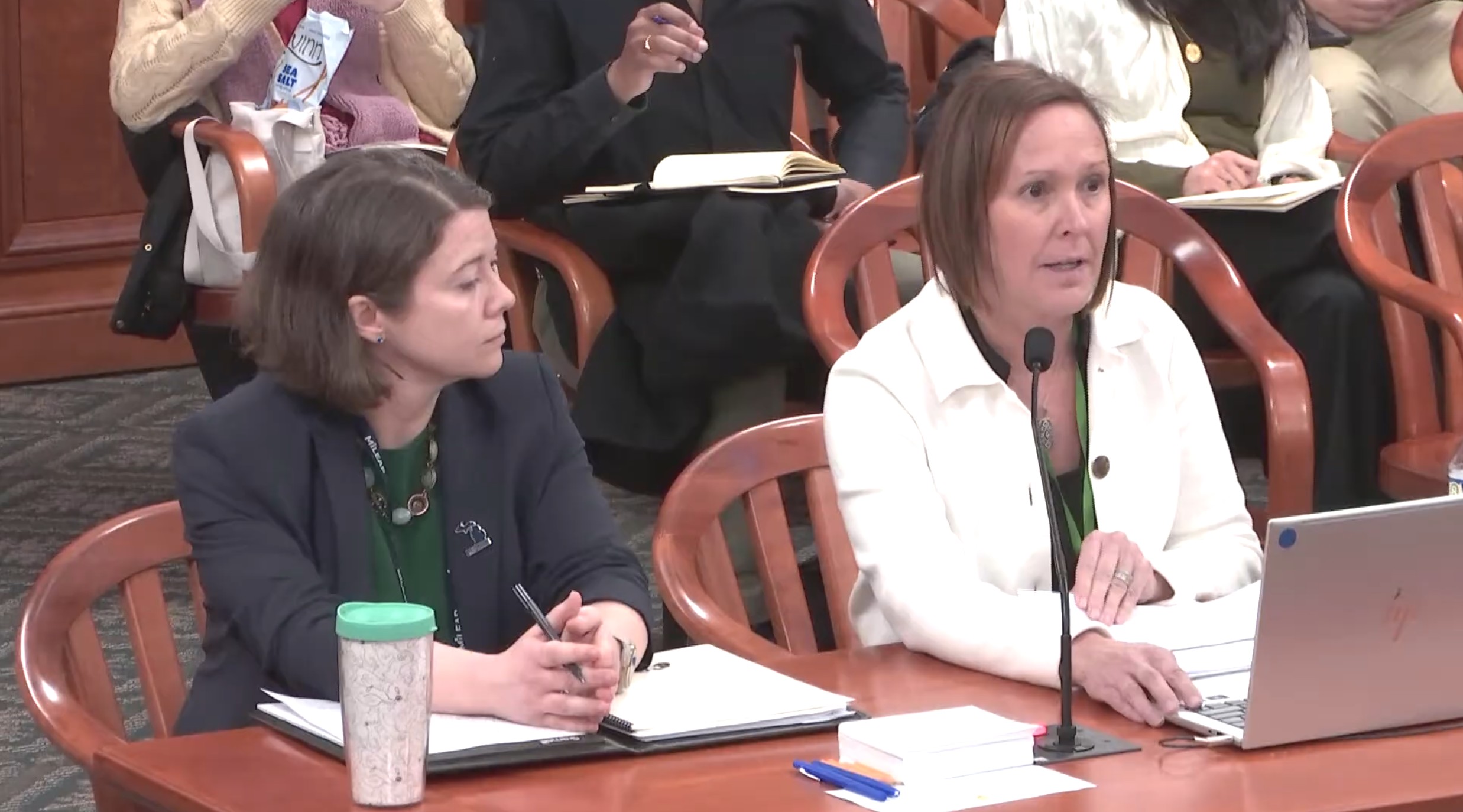
LANSING, Mich. (WZMQ) – Michigan lawmakers are pressing the state Department of Lifelong Education, Advancement, and Potential (MiLEAP) after a performance audit found communication failures that sometimes left child care providers unaware of eligibility changes affecting payments.
The Michigan Office of the Auditor General reviewed the Child Development and Care (CDC) scholarship program, which helps low-income families pay for child care so parents can work, attend school, or participate in job training.
The program supports about 47,000 children through partnerships with roughly 6,000 providers statewide, according to MiLEAP.
Auditors said communication lapses occasionally caused providers to deliver care without knowing reimbursement had been suspended or denied.
“The provider was not made aware of the ineligible period and continued to provide care for the child during this period with the expectation of reimbursement from the state,” Leah Decker, Audit Division Administrator with the Office of the Auditor General, told lawmakers during a committee hearing.
The audit also highlighted call center performance issues. During the review period, the call center handled more than 123,000 incoming calls, with some callers reporting wait times of up to 50 minutes.
MiLEAP officials acknowledged the challenges but told lawmakers that the department has already implemented corrective measures.
“MiLEAP took swift action to implement corrective actions and have already created operational improvements in the program,” department officials said during testimony.
Changes include expanding call center staffing, extending operating hours, and updating automated notification systems to improve provider access to billing and eligibility information.
Lawmakers raised concerns about oversight and customer service standards, arguing long wait times and missed notices could discourage providers from participating in the program.
“No business can operate like you’ve been operating. They would have been closed, people would have been replaced, management would have been fired,” Rep. Jason Woolford (R-Howell) said during the hearing.
MiLEAP officials also emphasized oversight measures aimed at preventing fraud and improper payments, noting the two are not the same.
“Improper payments are not intentional. It might mean that the provider was paid incorrectly,” officials said.
The department said suspected fraud cases are referred to Michigan’s Office of Inspector General, while unintentional payment errors typically result in repayment plans or corrective action.
Auditors said their review focused primarily on communication practices but confirmed a broader audit of program operations and payment risks is scheduled to begin in 2026.
Lawmakers said they plan to continue monitoring MiLEAP’s progress as changes are implemented.