LANSING, Mich. (WZMQ) – Michigan House Speaker Matt Hall is framing the past legislative year as a reset for the Michigan House, while promising an aggressive agenda in 2026 focused on affordability, education, and government oversight.
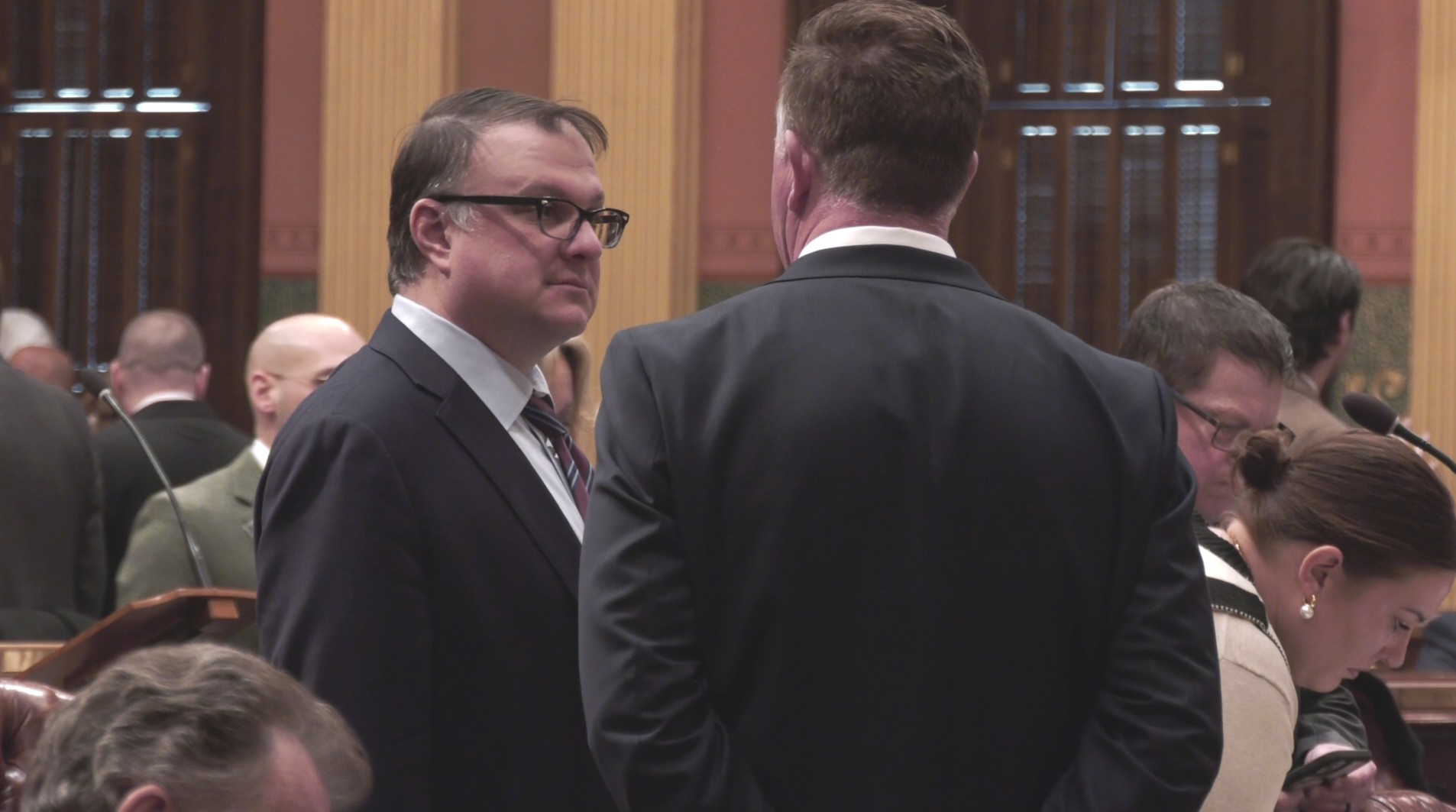
Speaking on the opening day of the new session, Hall said the House passed 74 public acts in 2025, the fewest in Michigan history, which he described as a deliberate shift away from what he called years of excessive lawmaking.
“The purpose of the legislature is not just to pass laws,” Hall said. “Nobody looks to see if any of these laws are working. So this past year, we put a pause on that and said, let’s do oversight.”
Hall said that review of state government operations and the budget uncovered what he described as $5 billion in waste, fraud, and abuse. He pointed to the elimination of what he called “ghost employees” in state departments and cuts to grant programs as examples of savings.
He also highlighted a bipartisan agreement with Democratic Gov. Gretchen Whitmer to invest $2 billion a year in roads by dedicating all gas tax revenue to transportation, without raising taxes.
“We made a $2 billion investment every year in roads, no tax increase,” Hall said. “We’re now dedicating all of the money collected at the pump to roads.”
Looking ahead to 2026, Hall said education will be a major focus, starting with renewed legislation to ban cell phone use in K-12 classrooms. The proposal would require school districts to adopt policies prohibiting the use of phones during class time, with exceptions for emergencies, and would take effect in the next school year.
“Our kids are distracted. They’re not paying attention to their teachers,” Hall said. “We want them focused on learning, and that means putting the phones away in the classroom.”
Hall said the phone ban is part of a broader effort to improve literacy and academic performance, which he said will be an area of collaboration with Whitmer in her final year as governor.
Beyond education, Hall said House Republicans plan to pursue property tax relief, health care cost controls, and regulatory reform. He criticized rising property taxes and health care costs as major affordability challenges for Michigan residents and small businesses.
“I don’t care that it’s an election year,” Hall said. “We’re going to do the big things this year, too, to bring costs down for people.”
Hall said he expects the second year of the Republican-led House to bring significant policy proposals as lawmakers return to session.