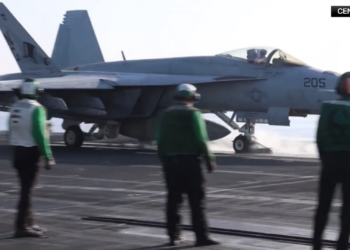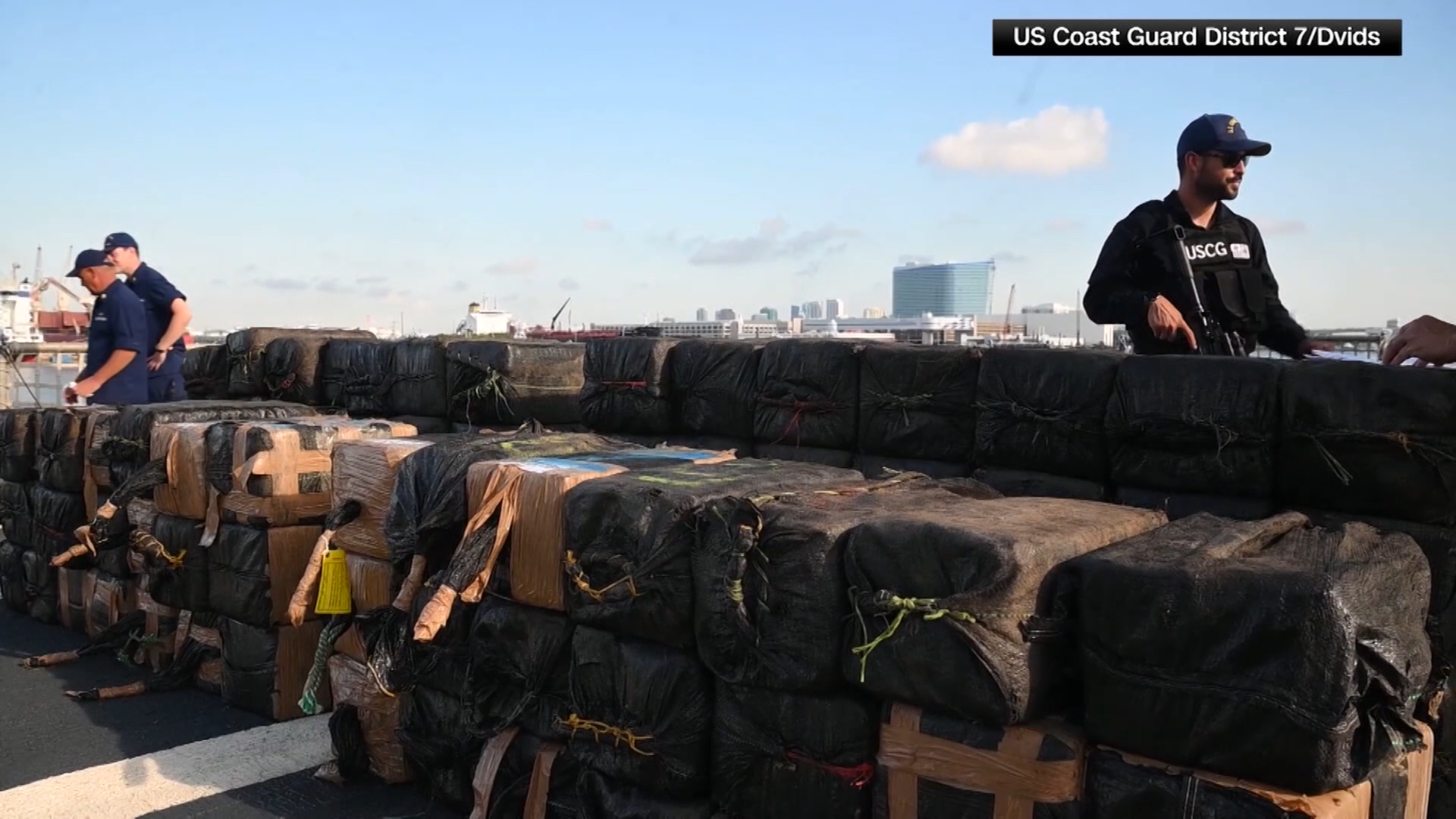
WASHINGTON, D.C. — Since early September, there have been over 20 targeted strikes on alleged drug-carrying vessels in the Caribbean and Pacific.
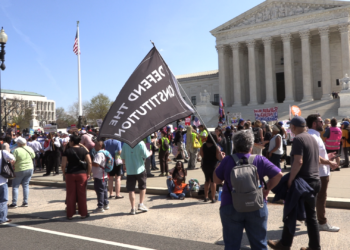
As the death toll from the Trump administration’s targeted attacks to combat drug trafficking nears triple digits, scrutiny and calls for oversight are increasing on Capitol Hill.
Legal questions are stacking up surrounding the deadly strikes — which are often first announced on social media by President Trump or Defense Secretary Pete Hegseth — and lawmakers want answers.
The White House confirmed Monday that the U.S. carried out a second strike on an alleged drug-running vessel on Sep. 2, killing survivors of an initial strike in the Caribbean. It’s an action some lawmakers and legal analysts warn could rise to the level of a war crime.
“Killing shipwreck survivors is a war crime,” said Rep. Ted Lieu, D-Calif. “The Pentagon’s own Department of Defense Law Manual on the law of war literally says that, quote, orders to fire upon the shipwrecked would be clearly illegal.”
The White House pushed back on those concerns Monday.
“Presidentially-designated narco-terrorist groups are subject to lethal targeting in accordance with the laws of war,” said White House Press Secretary Karoline Leavitt. “The president has a right to take them out if they are threatening the United States of America and if they are bringing illegal narcotics that are killing our citizens at a record rate, which is what they are doing.”
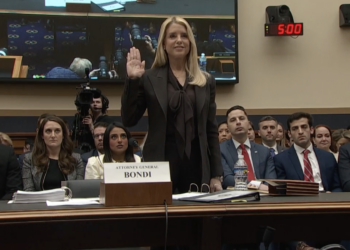
Pressure is building on Capitol Hill with committees in the House and Senate starting inquiries into the reported second strike.
“This committee is committed to providing rigorous oversight of the Department of Defense’s military operations in the Caribbean. We take seriously the reports of follow-on strikes on boats alleged to be ferrying narcotics in the SOUTHCOM region and are taking bipartisan action to gather a full accounting of the operation in question,” said House Armed Services Committee Chairman Mike Rogers, R-Ala., and Ranking Member Adam Smith, D-Wash., in a joint statement on Nov. 29.
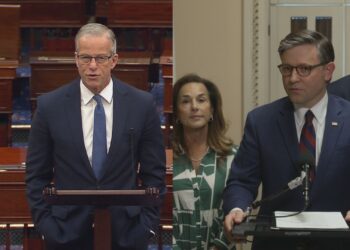
“I’m sure Congress has a right to look at it. I don’t know how much of the tape should be released because I’m not sure how much is sensitive with regard to national security,” said House Speaker Mike Johnson, R-La., who added that these types of strikes are not unusual. “Under Barack Obama, President Obama, he had — I think there were 550 drone strikes on people who were targeted as enemies of the country. And nobody ever questioned it. And secondary strikes are not unusual. It has to happen if a mission is going to be completed.”
“Shredders may be going. Evidence may be destroyed. We need to demand that it be preserved,” said Sen. Richard Blumenthal, D-Conn. “And there’s no indication that we’re going to see an effective, prompt penetrating investigation.”
In the wake of these strikes, President Donald Trump recently threatened attacks on land to target cartels in Venezuela.
Senate Minority Leader Chuck Schumer, D-N.Y., warned Tuesday that he and other Democrats would fight to block any use of troops in Venezuela.
“If Donald Trump proceeds with his plan to conduct strikes against Venezuela, Senators Kane, Paul and I will immediately file a War Powers Resolution to force congressional action to block the use of troops in Venezuela,” said Schumer. “The power to declare war lies in the hands of Congress, and we intend to exert that authority should the need arise.”
President Trump confirmed over the weekend that he spoke to Venezuelan President Nicolás Maduro on the phone. Trump did not say whether the call was productive.