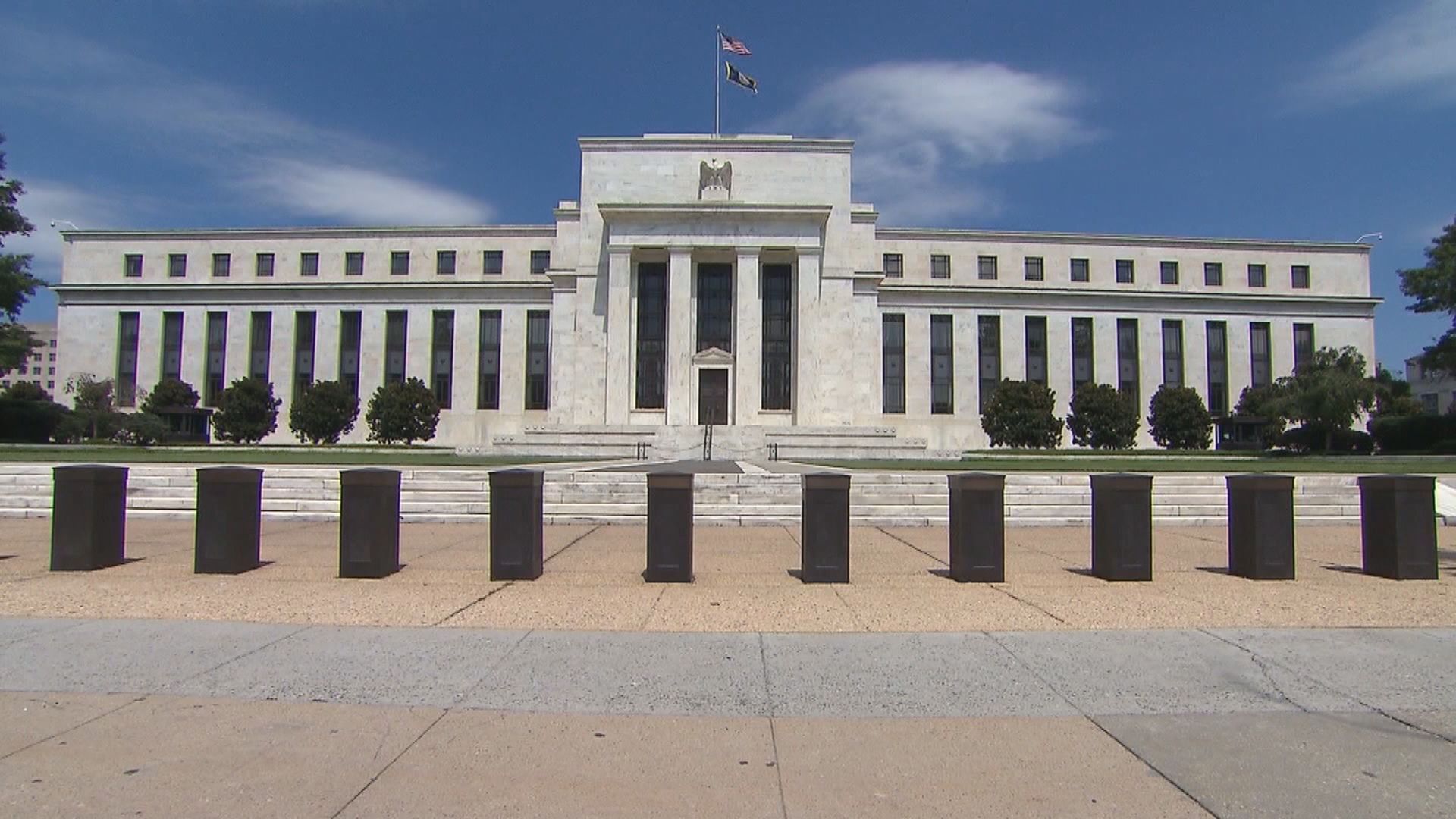
WASHINGTON, D.C. – On Wednesday, the Federal Reserve announced they’re keeping interest rates unchanged. The rates will stay at the 3.75 percent to four percent range.
“Economic activity is expanding at a strong pace, while uncertainty remains owing in part to geopolitical developments,” said Federal Reserve Chairman, Kevin Warsh. “Domestic spending has been resilient. Productivity growth is strong, and capital investment is robust, but inflation remains elevated.”
Warsh said their goal is to get inflation down to two percent. Last month, they raised rates for the first time since 2023, pushing back on President Donald Trump’s demands to cut rates. The Fed is tasked by Congress to combat inflation by lifting rates to slow borrowing and spending and reduce price increases.
Financial experts said a combination of tariffs and geopolitical disputes has caused economic stress. Warsh said they are doing a wait-and-see approach to help the Fed determine their next move. “The period right in front of us is information rich,” Warsh said.
“Sentiment is shifting amongst the governors, the voting members towards increasing [the rate],” said Derek Reisfield, founder and former chairman of MarketWatch. “When does that happen? We don’t know but we kicked the can down the road.” He adds the thinks the Fed avoided making a decision that could be read as a political statement.
This decision comes just days before the midterm election where candidates across the political spectrum have campaigned on the cost of living and affordability. However, Warsh said politics did not play a role in their recent decision.
Reisfield predicts the Fed could raise rates by the end of the year. If that happens, here’s how it would affect your pocketbook:
“Borrowing costs will go up if the rates go up so credit card debt, new auto loans, potentially mortgage rates, which are more keen to the ten year treasury but it does have an effect,” said Reisfied. “The cost of money gets more expensive.”